LTR Blog
Posts to share on the LTR blog
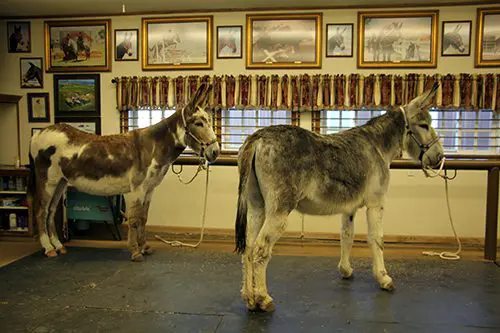
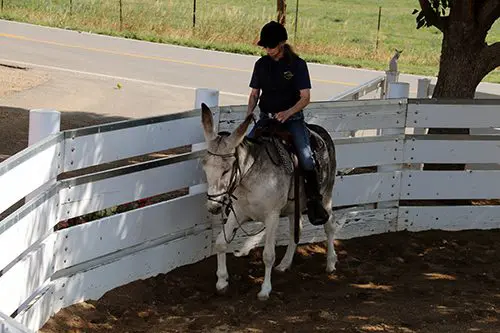
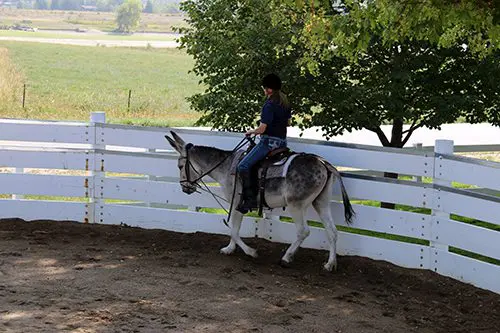
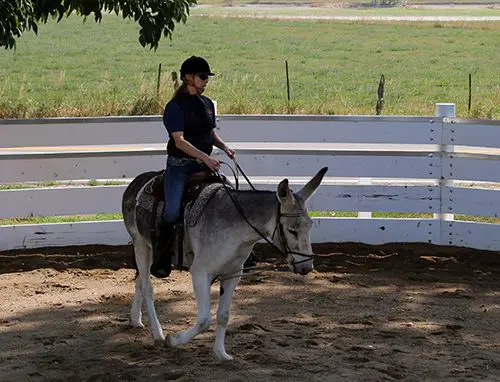
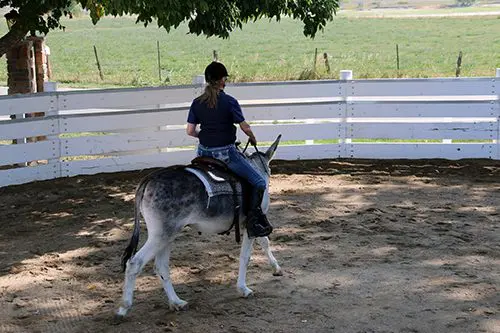
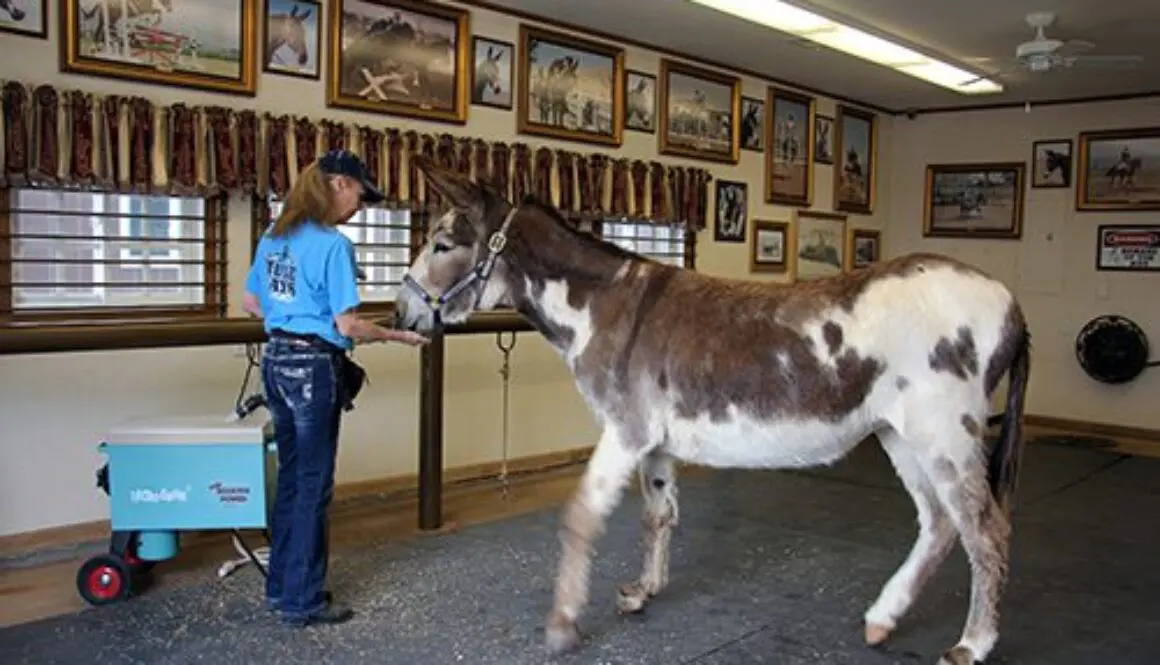
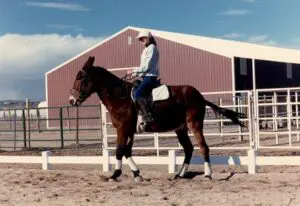
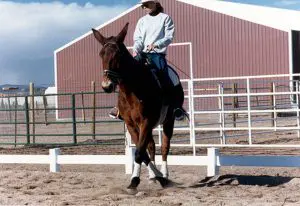
CHASITY’S CHALLENGES: Grooming Routine: 4-14-20
4-14-20
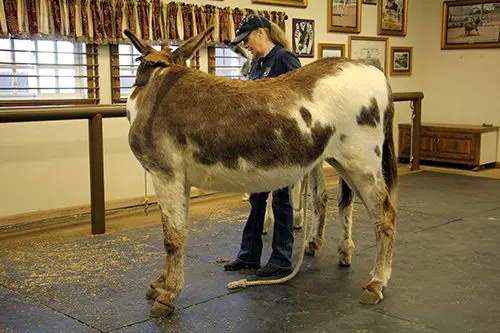
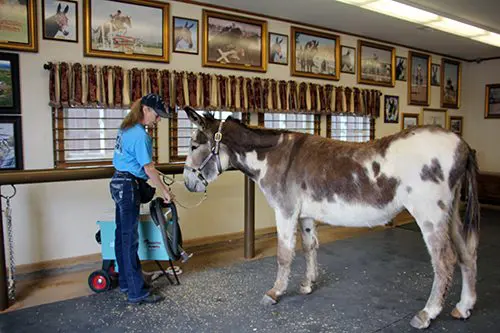
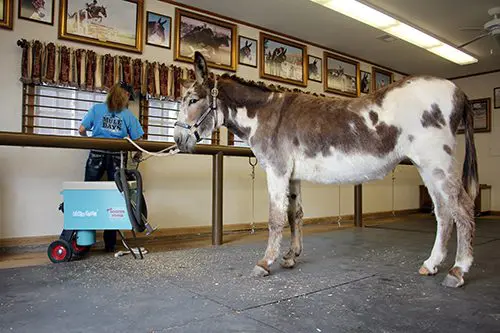
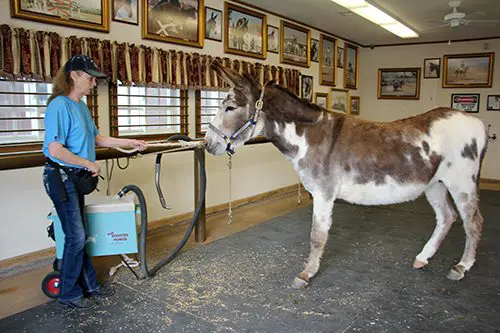
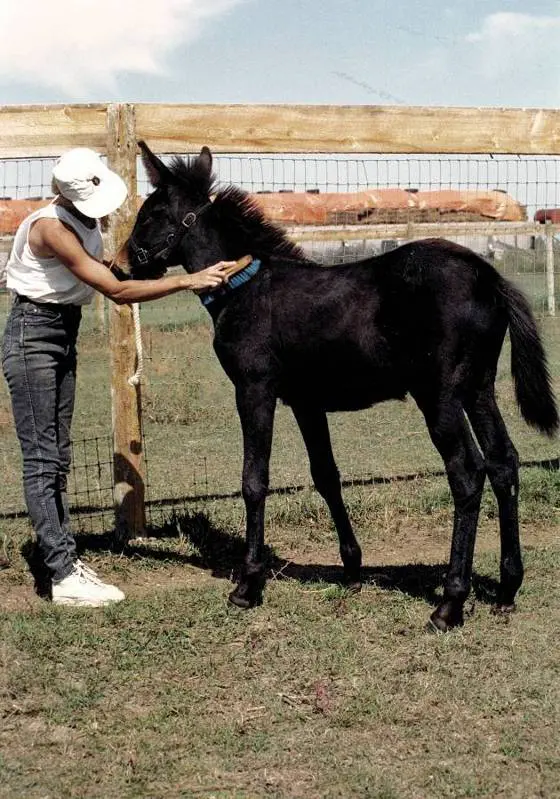
Grooming is an important activity in your equine’s life and it need not be a struggle if it is done regularly. Chasity was not real sure of us, or what to expect when she first arrived, but she is gaining confidence and calmness with each grooming session that precedes her workouts. Right off, she is rewarded for going to her designated work station. This familiarity sets the stage for the tasks to come.


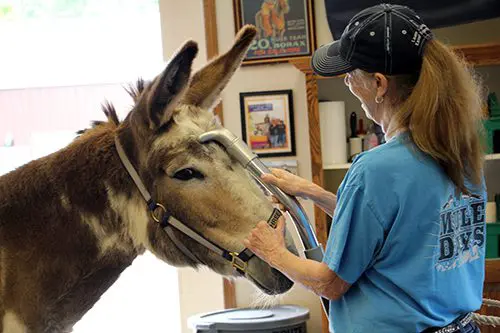
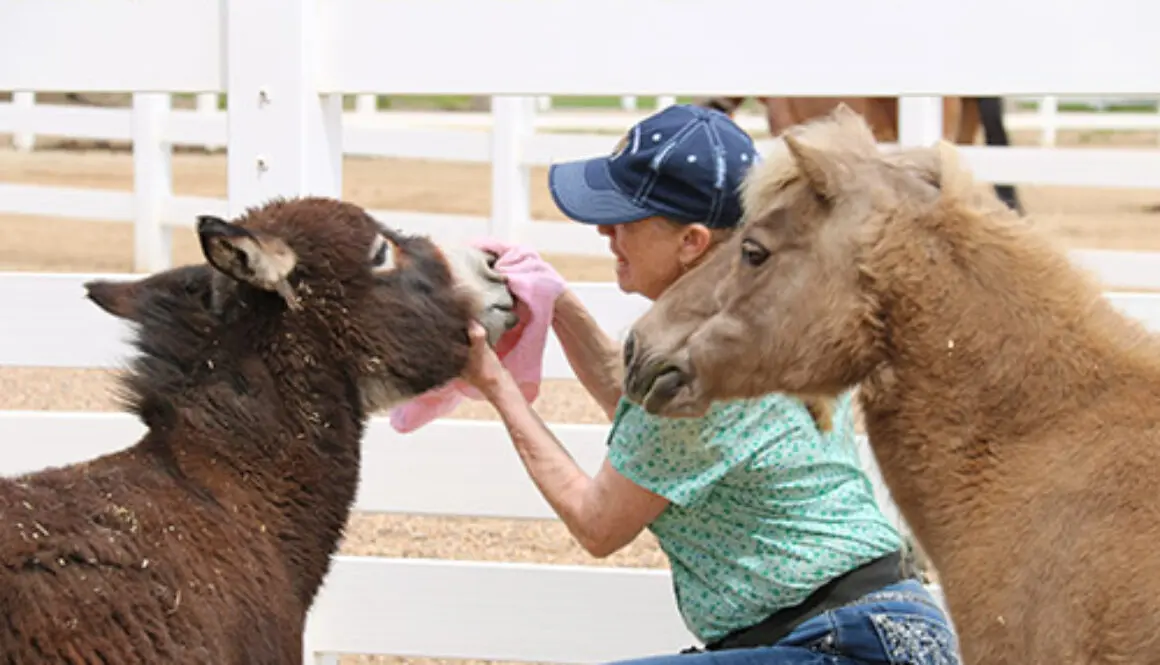
I begin with a wet towel to clean her eyes, then her nose and finally her ears. When cleaning the ears, I stroke upwards with the hair and try not to go against the way it grows. Most Longears enjoy having their ears rubbed anyway, but HOW you do it can make a huge difference in their willingness to comply.


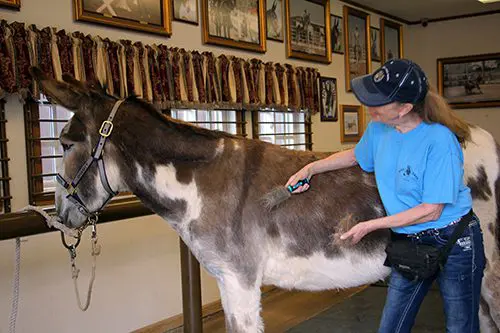
Then I begin on her forehead and along her neck with a human, multi-bristled plastic hairbrush. If she had mud on her, I would have scraped that off with the shedding blade first. The human hairbrush is much more effective in getting deep into thick donkey and mule hair and will “aerate” the coat nicely where the shedding blade will only skim the top and often break the hair.


Chasity’s teats were as hard as a rock, but were draining a milky-looking substance. At first we thought she had just weaned a foal, but we found out later, that was not the case. At any rate, during grooming, I scraped the sticky drainage from her back legs. Then I discovered some crusty spots across her chest that resembled an old bot-hatching site that had not been addressed.


I used the shedding blade to scrape off the scabs and applied Neosporin to the area. Over several days now, the scabs are beginning to go away. Chasity enjoyed the scratching! They must have been itchy!


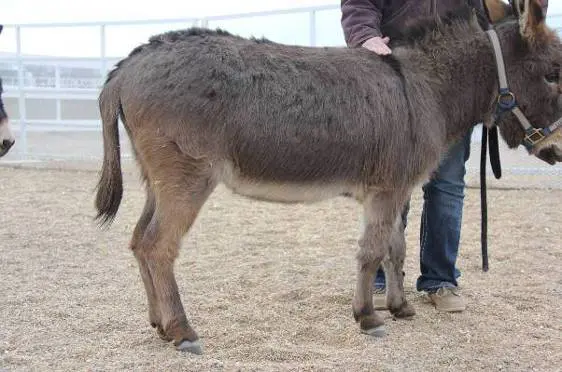
Chasity has an enlarged, crested neck and fatty deposits over her body that will need some attention. The crest has fallen over quite a bit, but I do think it is salvagable. It will just take the right kind of feed and exercise, and some time to correct.


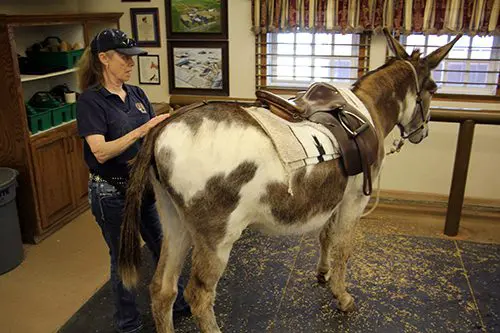
On her withers, Chasity has some scarring where the saddles previously used on her were rubbing and turned the hair white. She is also sporting a bit of Lordosis (sway-backed) which should not be seen in an animal of her young age of 13 years. This will undoubtedly result in irregular movement when seeing how out of alignment her spine is with these issues. Equines are not designed to carry weight on top. Rather, their structure supports carrying their weight below the spine. This is why is is so important to pay attention to core exercises to strengthen the top line and abs to prepare to support the rider’s weight. Just because they are big animals doesn’t mean they can automatically carry our weight without undue stress on their bodies.


The crusty discharge on her legs is very sticky, so I sharpen my shedding blade before going after it. It is going to pull the hairs hard enough as it is. I want the shedding blade sharp so it will come off quickly and with as little pain as possible. Chasity appreciates my consideration for her!


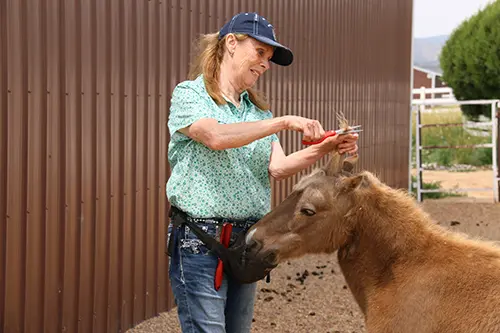
Last, but certainly not least, I sprinkle Johnson’s Baby oil in her mane and tail. This protects the hair from drying out during inclement weather, will promote growth and keep other animals from chewing on it. Then I square Chasity up one more time in preparation for either tacking up or for leaving the work station. Although this all seems simple enough, keeping this routine weekly will keep things from getting out of hand and grooming will remain easy each time. A reward of crimped oats from the fanny pack around my waist is always in order for standing quietly in good posture!


If you have multiple animals, just take your grooming tools in a bucket and your fanny pack full of oats with you to their stalls and do them there. If they are all in one pen in a herd situation, do not wear your fanny pack until they can all be rewarded at the same time, at the end of grooming. Body clipping is not a healthy solution and should only be done when showing. During shedding season, it is impossible to get it all done at once and still keep the hair coat healthy. It is easier if you do it weekly and take off the excess hair gradually. When grooming is done regularly and goes easily, it greatly reduces anxiety and bad behaviors.

MULE CROSSING: The Rein Back
By Meredith Hodges
Many common horse training techniques used today work well on either horses or mules. However, being creative and using less technique with a more logical approach to training works better with donkeys. In the case of the “rein back,” the problems are universal. Some equines seem to “rein back” more easily than others. Similarities exist within the equine species regarding personality types, but there are also differences in environmental behavior during training. Horses that are resistant to backing either shake their heads violently from side to side or rear up and try to throw themselves over backwards. Resistant mules try to walk sideways or forward, and resistant donkeys are either stone statues or terrific “leaners.” All of these tendencies are an expression of discomfort in the equine and can pose serious problems for the trainer.
In order to get the best results, before teaching an equine to “rein back” you must understand the animal’s body mechanics and his mental attitude. The “rein back” is a reverse, two-beat, diagonal gait. When executing a straight “rein back,” the equine is unable to see what is directly behind him, but he can see peripherally on both sides. Because of the way the eyes are set in their head, mules can actually see all four feet when facing straight forward where a horse cannot. The depth perception of an equine is questionable at best, but when an equine must “rein back,” his vision is even more impaired because he can’t see directly behind him. This causes him to become tense because the equine must trust the trainer not to back his precious little rear into anything that might hurt him! If the trainer has been even a little abusive in the past, the equine will not be able to trust and will become resistant. On the other hand, if the animal has been brought along well and is being asked to “rein back” on the long lines, he may simply not want to “back over” the trainer. This could be perceived as disobedience when it is only consideration for the trainer.
In order to execute a straight and smooth “rein back,” the equine must be able to lower his head, round his back and step back and underneath himself easily with the power initiated from his hindquarters. If the rider has not prepared his equine for the “rein back” by allowing the animal to take one step forward first and round under his seat, the animal will be resistant. This is why one step forward before executing a “rein back” is essential. Otherwise, the equine may raise his head and hollow his back, making it very difficult, at best, to perform the “rein back.” If you have trouble visualizing this, get on your hands and knees and try it yourself to see how it feels, first with a hollowed back and then with an arched back.
Before you begin to “rein back,” take that extra couple of seconds to relax and prepare your animal. First, let him take one step forward. Then, alternately, squeeze your reins and ask him to lower his head a little (not too much at first). Keep your legs snugly hugging his barrel, and lift your seat ever so slightly by leaning forward just a little. Check over your shoulder to be sure that he won’t back into anything. Then, with corresponding rein and leg cues, squeeze and release alternately from side to side: first, right rein, right leg; then, left rein, left leg. By pulling first on one side and then the other, you actually allow him to see more directly behind, thus eliminating much of the apprehension that he feels when he cannot see. Pretend that you are pushing him backward with your legs, directly after giving a gentle tug on the corresponding rein. In the beginning, be satisfied with one or two steps, and don’t forget to praise him.
Do this exercise in a two-beat fashion, with the squeeze/release action on the rein coming only a split second sooner than the corresponding leg. This prevents the hindquarters from resisting, and it is here where most resistance in backing originates. If you pull both reins at the same time, the hindquarters are not affected and this may cause considerable resistance. Animals that learn to “rein back” correctly will eventually learn to “rein back” on a mere tug of the reins and a shift of your body weight, but that is not the way to begin. Speed comes much later.
Horses and mules learn to “rein back” more easily than donkeys. As far as donkeys are concerned, why go backward when you can turn around to go forward? Because donkeys have a natural agility, this is not such a far-out way for them to think. However, if a donkey tried to turn around on a narrow trail with a rider aboard, his balance could be severely affected. Chances are, the donkey would make it, but the rider might not. The donkey needs to learn to “rein back” on command, because safety is of the utmost importance.
The simplest way to encourage your donkey to “rein back” is to ride or drive him into a three-sided tie stall, or anywhere that he has no way to escape but backward. Ask him to “rein back” with the cues outlined, and praise him for each step backward. If you are ground driving, just alternate long line pressure while you step backwards in unison with his back legs. Keep your squeeze/release action on the long lines minimal—pulling on your donkey’s mouth too much will only defeat your purpose. If your donkey is hitched to a vehicle, make sure that the weight of the cart or carriage that he has to push is not too heavy for him to manage. Adjust the breeching tightly enough so that your donkey can lean into it with his rear, and be sure that it is not so low that it will inhibit the motion of his upper hind legs.
If you have checked all of these factors and your donkey still will not back out of the stall, ask someone to act as your assistant, and have them wave a fearful object (such as a brightly colored scarf or plastic bag) low and in front of your donkey. He should dip his head to focus on the object (arching his back) and begin to “rein back,” apply the proper squeeze/release cues and after a few steps, reward him. You have set up a situation in which you can predict that his reaction will be the correct one. Once he has done this a few times, he should begin to make the connection between your cues and his action. Always keep your cues gentle, but clear. Be prepared to immediately praise those first one or two steps, and don’t ask for too many steps too soon. Just as an animal is conditioned to perform any other maneuver, his body must also be conditioned to “rein back.” Doing a “rein back” without conditioning the muscles that will be used can cause injury. Taking it slowly and cautiously diminishes the chance for resistance. Work up your speed in the “rein back” only after your equine is backing straight and easily. When he has had time off, be sure to take the time to recondition those muscles before again asking for speed.
I can’t count the hours that I have spent sitting on-board my donkey, waiting for a foot to move, giving the cue to just one side over and over again. Patience is the key to success with any animal, but with donkeys, it’s a necessity. Be patient and deliberate with your training. Don’t get upset, and don’t try to be forceful. Remember, he has to move sometime. Even donkeys get bored standing in one place for too long!
To learn more about Meredith Hodges and her comprehensive all-breed equine training program, visit LuckyThreeRanch.com, MEREDITH HODGES PUBLIC FIGURE Facebook page, or call 1-800-816-7566. Check out her children’s website at JasperTheMule.com. Also, find Meredith on Pinterest, Instagram, MeWe, YouTube and Twitter.
Covered in TRAINING MULES & DONKEY: A LOGICAL APPROACH TO TRAINING, TRAINING WITHOUT RESISTANCE, EQUUS REVISITED and A GUIDE TO RAISING & SHOWING MULES at www.luckythreeranchstore.com.
© 2014, 2016, 2017, 2024 Lucky Three Ranch, Inc. All Rights Reserved.
This article is an excerpt from the book, Training Mules and Donkeys by Meredith Hodges, 2014
CHASITY’S CHALLENGES: Learning to Come to Be Haltered: 4-14-20
4-14-20
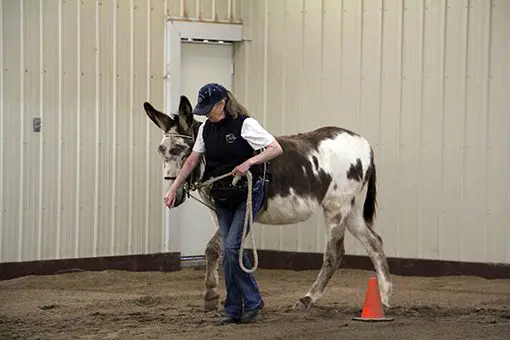
We determined that Chasity had cataracts in both eyes, worse in the right eye than in the left. This made her hesitant to come to me at the stall door to be haltered. She wanted to come to me, but she just wasn’t sure. I insist that ALL my equines come to the stall door or gate to be haltered, so I knew I would have to train her and win her trust to get her to do it like all the others.


When she went away from the door, I simply stepped to the inside door of her stall and encougraged her to come to me from there, but she was still suspicious and ran to the far side of the pen. I just walked toward her and spoke in a calming fashion telling her to “Whoa.”


She began to get nervous and started to weave away from my approach, but before she could suck me into the back and forth along the fence, I stepped to the side, waved her into the stall and shut the door behind her.


She knew she was confined and went to the corner of the stall. I knew she could not see me very well with her right eye, so I opted to walk along the wall to her left side and approached her from the left side. Before attempting to put on her halter, I told her what a good girl she was and offered a handful of oats. I allowed her to finish chewing them before I put on the halter.


I was careful about putting on the halter slowly so I would not startle her and then gave her a reward of more oats for standing still. She was grateful and again, I waited until she was finished chewing before asking anything more from her.


Then I asked her to square up with equal weight over all four feet. This would become the protocol EVERY time she stops. I want to change her posture and begin to increase her core strength in good postural balance. The repetition of this movement will change her habitual way of standing.


I rewarded her again and then took off the halter while standing by the open door and watched her chew.


I rewarded her for NOT forging through the door, waited for her to finish chewing and then put the halter back on.


We then turned around and walked to the back of the stall to open the door I had closed, did another turn and exited the stall. She will soon tire of me going into the pen and chasing her into the stall. One thing that is also VERY important in halter training is the type of halter that you use. Although they do provide leverage, rope halters have pressure points everywhere there is a knot and the biggest knot is right underneath their ear. Try putting your index finger underneath your ear and ask yourself how long you could stand it just being there? Now put the palm of your hand under your ear. How does that feel? Nylon webbed halters lay flat against their face and do not cause distractions like rope halters will. The equine can focus their attention 100% on YOU and not be distracted by subtle pressure points!


I would much rather encourage my animals to comply happily and willingly than try to use any kind of forcible leverage with them. I have found it to be unnecessary. Building a willing bond between you prevents them from becoming herdbound and being sour about leaving their friends. It enhances the relationship between you so they really WANT to go with you. This particular routine gave Chasity an idea of what to expect and resulted in her coming to the stall door willingly when I call her after only two times of having to proceed this way…completely resistance free. She is a very intelligent girl and learns quickly despite the disadvantage of cataracts. I have other equines with eyesight issues that have been successfully trained the same way. The key is patience, understanding and a careful, respectful and sensible approach.

MULE CROSSING: In Appreciation of Mules
By Meredith Hodges
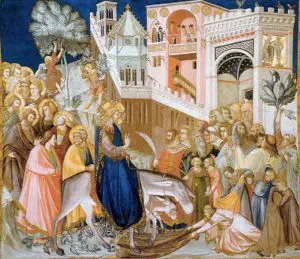
We have all heard the numerous negative myths about mules that abound, but have you ever thought of a mule as a hero, as an extraordinary member of our society? The mule’s history can be traced back to Biblical times, and in those days, he was known as the preferred mount of royalty. Given his ancestry, this should not be surprising. After all, is he not the offspring of the chosen mount that Jesus Christ rode into Jerusalem? As Jesus was the Son of God, so is the mule the son of the chosen donkey. And he has much to teach us about ourselves and our world—if we could only learn to observe and listen carefully to what he is telling us. The mule can be a catalyst for health, happiness and prosperity, but we must learn to do our part in appreciation of him.
Although he is often confused with his sire, the donkey, the mule is the symbol of neither the Republicans nor the Democrats. During past political campaigns, certain Republicans actually declined to have their picture taken with a mule, because they were either ignorant of the difference between a mule and a donkey, or they were afraid that the mule would be mistaken for the Democratic Party’s symbol—the donkey.
As author Melvin Bradley notes, “Democrats in mule states have always been friendly to mule-loving voters. With a farm population of 25 percent of the total, votes from mule people could make a difference.”1As presidential candidate Harry S. Truman discovered, this was politically beneficial information and he used it wisely. Finally, on May 31, 1995, Governor Mel Carnahan signed a bill designating the Missouri mule as the official state animal.
When people are open and fortunate enough to be able to engage in intimate communication with the mule, they soon discover the redeeming and heroic characteristics of the donkey (that are naturally present in the mule). The donkey is the embodiment of various moral truths, which is why he is used as an appropriate hero in numerous fables. He possesses the ability to serve without judgment of his master. He is affectionate, thoughtful and humorous and carries his burdens without complaint. We are often dismayed by the true reflection of ourselves that we are destined to see while in his presence. The donkey is a creature of wonder and augury, and glimpses of these same characteristics can be seen in the mule. Although the donkey is the symbol of the Democratic Party, his effect on people is subjective and universal, and is not restricted to just one group.
I’d like to share one of my favorite stories, illustrating the mule’s legendary endurance and great heart. According to author Walter Rickell, “When General George Custer made his campaign into the Black Hills in early 1870, Buffalo Bill led him the first day as his guide. Custer and his staff were on their finest horses brought from the east, and they were prancing and ready to go. Suddenly, Buffalo Bill appeared on his little grulla Comanche mule, Mouse. Cody paid no attention to the way the officers ridiculed him and the mule—Cody had ridden Mouse before and found he could run a good lick, but his strongest point was his endless endurance. Custer, noting it was Cody’s intention to ride the mule, called a halt and informed him it was no time for pranks, that they had to travel fast, and Mouse could never stay out of their way. Cody said nothing, touched Mouse with his spurs, and led off, the column following. By the early afternoon, in terrific heat, the horses were lathered, and Cody had to stop several times for the column to catch up. The general was surprised that, at camping time that night, Mouse was still in the lead. Custer tried to trade his fine horse for the mule. Cody rode Mouse back that night over the same trail.”2
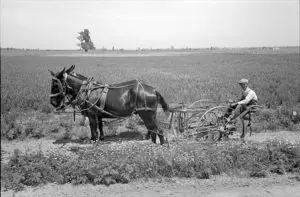
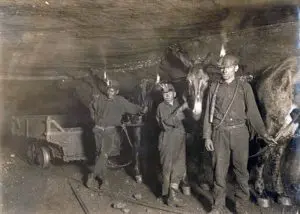
Mule stories from the past are numerous in this great country of ours. The number of mules (and horses) in the U.S. peaked in 1919, at 26.5 million. The United States of America was quite literally built on the backs of its mules—they pulled supply wagons in the cities, forged west with the early settlers across the vast prairies, packed hunters’ gear in the mountains, plodded underground with the coal miners and plowed the Southern cotton fields. They have participated in war alongside our brave soldiers, and have found their place in the field of entertainment. They even helped with the excavation of the Pasadena Rose Bowl.
After the onset of the Industrial Revolution, the number of mules in the U.S. declined, and in 1967, there were less than ten thousand. But happily, in recent years, renewed interest and public awareness have sparked a steady increase in the mule population.
Those who work with mules know that interacting with them can keep a person healthy and happy. The typical mule person gets up early in the morning to feed and water his mules, and then goes back to his house for his own breakfast. Then it’s back to the barn to harness or saddle up and make way for the day’s activities with the mules. There is much to learn from a mule in every interaction, and if he isn’t doing what we want, then we probably haven’t asked the right way. When we do, he complies and, in the process, teaches us about real patience, love, respect and good manners. There is no more loyal friend and companion than a mule. As the old mule skinners will tell you, you either love ‘em or you hate ‘em. You either get along with them or you don’t—there’s no in between with a mule.
Obviously, I have one of the worst cases of “Mule Fever” ever suffered! But then, here I am—older, wiser and without any broken bones due to my association with mules. In fact, I can say my life was saved by one of my own mules. I was on my mule, Mae Bea C.T., leading a group of four trail riders on horses up a switchback in the Rocky Mountains, when the trail began to get very narrow. It was 100 feet straight up on the right and 100 feet straight down on the left! I could not see very far ahead because the two-foot trail wrapped around a huge boulder and blocked my forward vision. As I rounded the boulder, with the horses right on my rear, I was faced with a trail that disappeared into a wide landslide of small rocks. I couldn’t go forward and, with the horses directly behind on the wider part of the trail, I couldn’t back up. The horses could turn around where they were, but I couldn’t. I waited for the horses to get turned around, and then indicated to Mae Bea C.T. that I wanted a tight turn on the haunches. She sat her rear back on her haunches and swung her front legs over the 100-foot drop in a smooth and effortless 180-degree turn, facing next in exactly the opposite direction. She then stopped and waited for my next cue to lead the horses safely back down the trail. I shudder to think what could have happened had she been a nervous horse.
“Mule Fever” happens when you find yourself hopelessly involved with a mule…or many mules! Suddenly, there is no other equine that will do. Many people liken a mule to a dog, but dogs are unconditionally faithful and submissive, whereas the mule challenges your soul. He innocently challenges you to be the best (or worst) person you can be—more like very young children would do. You might as well be tangling with an elephant if you don’t learn how to correctly ask the mule to do what you want. Most folks end up just dangling at the end of a lead rope or hanging on for dear life during a runaway—if they are lucky enough not to get dumped on the ground and possibly stomped on or kicked! If a person finally learns what a mule has to teach, there cannot be a more reliable, intelligent and loyal friend. At the end of a day spent with mules, one is tired, but it’s a good tired. The activity has increased circulation throughout the body, making the body tired and the mind alert. This makes for a good night’s sleep, and the next day, the cycle begins again—with joy!
Although the therapeutic value of the mule goes back as far as his own history, the idea of intentionally using mules for actual therapy did not come until much later. One of the most successful therapeutic stories involving mules is that of the Vision Quest Wagon Train. Vision Quest founder, Bob Burton, had a dream to use mules and the discipline and hard work of a real wagon train to help troubled kids. So, in 1976, the first Vision Quest Wagon Train was launched. In this life-changing program, 36 at-risk teens were required to spend one year traveling with six mule-powered wagon teams that went south in the winter and north in the summer. During the journey, the kids learned positive social skills and responsibility in caring for themselves and for their animals, with a solid success rate of 60 percent. (Mules really do make the best teachers!) Today, plans are being made on Facebook for a Vision Quest Wagon Train Reunion in 2012. Clips of the Vision Quest Wagon Train journeys can be seen on YouTube.
In 1985, an attempt was made by the Lynchburg Mule Trader’s Association, supported by the leadership of the Jack Daniels Distillery and U.S. Representative Jim Cooper, to designate October 26th as Mule Appreciation Day, in commemoration of George Washington’s receipt of Royal Gift, America’s first mammoth jack, from the King of Spain. Jack Daniels itself sponsored the first Mule Appreciation Day to gain publicity and support for the petition, which was passed by the House of Representatives by a substantial margin, but failed to pass in the Senate. The bill was later sent to a referral committee, where it languishes today. (Leave it to Congress to get our half-ass half-passed!) However, the spirit of mule lovers is undaunted—Mule Appreciation Day rose from the dead and has been celebrated ever since, even without the blessing of Congress. We red-blooded Americans love and appreciate our mules. Gratitude and appreciation are never outdated!
To learn more about Meredith Hodges and her comprehensive all-breed equine training program, visit LuckyThreeRanch.com, MEREDITH HODGES PUBLIC FIGURE Facebook page, or call 1-800-816-7566. Check out her children’s website at JasperTheMule.com. Also, find Meredith on Pinterest, Instagram, MeWe, YouTube and Twitter.
Covered in TRAINING MULES & DONKEY: A LOGICAL APPROACH TO TRAINING, TRAINING WITHOUT RESISTANCE, EQUUS REVISITED and A GUIDE TO RAISING & SHOWING MULES at www.luckythreeranchstore.com.
© 2011, 2012, 2014, 2016, 2024 Lucky Three Ranch, Inc. All Rights Reserved.
1The Missouri Mule: His Origin and Times, Volume II, by Melvin Bradley, Curators of the University of Missouri, page 353.
2The Misunderstood Mule, by Walter Rickell, Reproductions West, Burbank, CA, 1976.
CHASITY’S CHALLENGES: Removing Chasity’s Shoes 4-2-20
4-2-20: Our farrier, Dean Geesen came out to take care of Chasity’s feet. The first order of business was to introduce himself with an offer of oats! She did not want my veterinarian, Greg Farrand, to pick up her feet on Tuesday, but during grooming on Wednesday, Ranch Manager, Chad and I cleaned her feet, so she was much more compliant today. Getting her hooves in balance will greatly improve her overall body balance. And, getting the shoes off her overgrown front feet will enable the frog to do its circulation job!


Her front hooves were exceptionally long with Borium shoes (non-slip) on them and her back feet were long and uneven. All four feet had been trimmed out of balance.


Dean showed us how the shoes had been abnormally and unevenly worn.


Dean removed the shoes and trimmed her hooves in the best balance that he could for now. Her hooves had been pressured to one side and would need several trims to get them properly symmetrical in alignment.


Dean is a correctional farrier and knew just what to do to get her started off on the right ‘foot’ so to speak. It was a definite improvement from where she was!


She will need to be checked periodically to keep her feet in good shape as she moves forward in her therapy. Sometimes these kinds of things just take time!


She was rewarded with oats in appreciation for her cooperation! Chasity seemed thankful for her newly balanced hooves.

Another Augie and Spuds Adventure: SnowPlay 01-14-22

To learn more about Meredith Hodges and her comprehensive all-breed equine training program, visit LuckyThreeRanch.com or call 1-800-816-7566. Check out her children’s website at JasperTheMule.com. Also, find Meredith on Facebook, YouTube and Twitter.
© 2016, 2017 Lucky Three Ranch, Inc. All Rights Reserved.
MULE CROSSING: Reflecting On Longears
By Meredith Hodges
The contributions being made by mules and donkeys today are more numerous than they have ever been before and we should give thanks that we still have these Longears touching our lives and making them full!
When the age of automation arrived, many mules, donkeys, and horses were put out of work. Mechanical alternatives were taking their places in the fields, in the coal mines, along the canals and even in the mountains. Horses made a somewhat smooth conversion of use to modern day recreation, but it was not as easy for the mules and donkeys. The history of mules and donkeys was never that well documented. Literally thousands of books have been written revering the horse for his contribution to the building of great societies and cultures. However, a lot of the things attributed to the horse were actually done by mules and donkeys! It does not surprise me that by 1966, mules and donkeys were on the decline. Their uses were no longer critical to development and growth of society.
In 1967, concerned Paul and Betsy Hutchins founded the American Donkey & Mule Society, designed to spark the fires of interest in these longeared animals. The A.D.M.S. quarterly journal continues to remind the American public of all the extraordinary things that had been accomplished in history by donkeys and mules. They plowed the fields, pulled the covered wagons and worked in the coal mines. They pulled barges on the canals and packed munitions for the military. They built the Rose Bowl in Pasadena, California. Wild Bill Cody rode a mule named Mouse that put General Custer’s fancy Thoroughbred to shame over long distances and rough terrain. The crowned heads of Europe rode mules as a statement of class and Jesus rode into Jerusalem on the back of a small and humble donkey! Although the horse was revered and given the credit, mules and donkeys were always right there, too – strong, steady and humble!
Thanks to Paul and Betsy Hutchins, we have been reminded of Longears’ great legacy and there are those, including myself, who would find a way to appreciate their efforts and would help to make donkeys and mules an important part of modern-day society.
The American Donkey & Mule Society today offers a wide variety of programs that include Longears of all sizes, breeds, types and uses. The A.D.M.S. journal is still published quarterly and is growing with the industry, keeping folks abreast of new and innovative uses for the Longears of the future. It serves as a record of accomplishment. The A.D.M.S. registry ensures a more traceable ancestry than has ever before been possible. Many different A.D.M.S. award programs insure that outstanding individuals are recognized for their diverse accomplishments, and books and literature have been compiled and made available to anyone who wants to know more about these unusual animals. A.D.M.S. has inspired the formation of local clubs and groups that share in this interest and the result is evident in art, jewelry and other Longears products and events. The A.D.M.S. has given our children an alternative in equestrian sport that is interesting, challenging and unique in spirit.
Mules and donkeys are becoming the equine of choice in many areas today. The California Sierra Nevada Pack Stations are populated with mules trained to take tourists on pack trips through the scenic mountain areas. The only equines safe enough to carry tourists down the steep rocky trails at the Grand Canyon and at Molokai are mules! Hunters are using mules as riding and pack animals due to their incredible strength, endurance and intelligent nature. They can handle rougher terrain and adverse weather conditions better than can the horse. Donkeys are finding new uses in guarding sheep from unwanted predators. Mules and donkeys are used in handicapped riding and driving programs, and molly mules are being used for embryo transplant. Third world countries are being educated in the care and feeding of their donkeys and mules to enhance economic growth. Mules and donkeys have even become viable 4-H projects for young people who enjoy the challenge. We are finding that there are actually very few things these longeared equines can’t do!
Skeptic that I am I have always attempted to find the limitations of these incredible individuals. Here at the Lucky Three Ranch, we continually challenge our mules and donkeys with new and innovative tasks. They have continually met these challenges with success! With each new success, our mules and donkeys have brought many new and wonderful friends into our lives, making life full and very rewarding. To this day, I am still amazed when an animal has met his challenge and accomplished what I have asked. I suppose part of me would still like to believe that if they could have done all these things, then they would have already been done. But I can see now that that isn’t necessarily so. Need has a lot to do with it. No one ever NEEDED an upper level Dressage mule before! But I did!
Lucky Three Sundowner worked at Third Level Dressage after winning the World Championship in Reining at Bishop Mule Days in 1984. He exhibited play patterns that evolved from his training that would undoubtedly contribute to his success as he moved into Fourth level Dressage. His crazy play patterns looked very much like the Spanish Riding School of Vienna’s, “Airs Above the Ground!” Lucky Three Mae Bea C.T. clearly showed that you can do a variety of things well on a mule – whether it was against horses or other mules and with, or without the bridle!
Mules give new meaning to the word VERSATILE! That is not to mention that they can be a loyal friend and companion as well when trained correctly. Then there was Little Jack Horner who defied all the laws of “Donkeyhood!” He was accomplished in Western Performance classes including Reining and Gymkhana, Driving and Obstacle Driving, Second Level Dressage and he jumped in formal hunter style over four feet in exhibition at Bishop Mule Days and got a Specialty Award for his effort. He was the sire of some of the most athletic mules in the world today.
Since we have yet to find any serious limitations in these Longears’ ability, at the Lucky Three Ranch we concerned ourselves with documenting these three unique successes. Training Mules and Donkeys: A Logical Approach to Longears is a book documenting the training techniques we have used that led to the ultimate success of our mules and donkeys. It will was first released in May 1993 and was revised in 2013. As far as I know, it is the only book of its kind with training from foal to adulthood and has subsequently been supported by more books, DVDs and television shows and our extensive and comprehensive website at www.luckythreeranch.com. The intent is always to help mule and donkey enthusiasts to get the best from their animals and to avoid the common pitfalls that would sour an otherwise stimulating and rewarding experience with Longears. It just goes to show that MULES CAN DO, AND DONKEYS, TOO! Seeing IS believing and dreams really CAN come true!
To learn more about Meredith Hodges and her comprehensive all-breed equine training program, visit LuckyThreeRanch.com, MEREDITH HODGES PUBLIC FIGURE Facebook page, or call 1-800-816-7566. Check out her children’s website at JasperTheMule.com. Also, find Meredith on Pinterest, Instagram, MeWe, YouTube and Twitter.
Covered in TRAINING MULES & DONKEY: A LOGICAL APPROACH TO TRAINING, TRAINING WITHOUT RESISTANCE, EQUUS REVISITED and A GUIDE TO RAISING & SHOWING MULES at www.luckythreeranchstore.com
© 1991, 2016, 2024 Lucky Three Ranch, Inc. All Rights Reserved.
MULE CROSSING: Basic Training for Foals Includes Common Sense
By Meredith Hodges
“Imprinting” is a natural process by which an animal (most typically, when young) comes to recognize another animal or a person as a parent or other object of habitual trust. Imprinting is also the way any equine is touched when he is a foal and handled throughout his entire life. It is never too late to use imprinting with your equine, and the way you do it will determine whether or not he develops a lifelong confidence and trust in you. NOTE: Imprinting should not be utilized only when your equine is a newborn, and then never utilized again. Imprinting should continue throughout his entire life.
Equine foals must be allowed to play—running, kicking and rolling. This is how they exercise so they can grow up to be healthy adults. Like any baby or toddler, a foal cannot be expected to have perfect manners, so keep lessons short (10-20 minutes every other day at the most) and use good judgment when you are with him to avoid being kicked or bitten. If he does kick or bite while you are doing things with him, use the flat of your hand and give him a quick thump on the rump for kicking or on the side of his mouth for biting, accompanied by a loud “No!” He will probably run off, but should be able to be coaxed back verbally and fairly easily with soothing language and an offer of crimped oats. When he finally does come back to you, reward him with a nice pat on the neck, and then leave him to play. By doing this, you are letting him know that it is okay to play, but not to kick or bite. He has learned that bad behavior will elicit an unpleasant touch while his good behavior will illicit kind touch and soothing words. You can resume more serious corrective lessons later.
The most important thing to learn when training your equine is to dispense the crimped oats reward promptly and generously in the beginning of training, and only when your equine is complying (do not use anything but crimped oats for rewards). This will solidify the connection between the two of you and begin to establish a strong and mutually satisfying relationship. If, when haltered, your equine tries to pull away from you, just let go of the rope, reach in your fanny pack and offer the crimped oats to coax him to return to you. Remember not to try to progress through lessons too quickly, as this is usually what causes disobedience. Never chase your equine! Whenever at all possible, allow him to come to you of his own free will.
Before you begin your equine’s leading lessons—and during “tying” lessons—your equine should be rewarded frequently and whenever he is not pulling against the rope. This will help him to understand that he will be rewarded when the rope is loose so he is more likely to follow you when you do untie him and try to lead him. This concept is the same for each new task in each new lesson. Each time he easily complies, he should be rewarded. At this point you can move on to new lessons, but, in order to set him up for success, be sure to break down each process into small steps. Remember to always be generous with the rewards. An equine that learns to take the oats reward politely from your hand is less likely to bite you than one who has not had enough practice getting rewarded with the oats from your hand. When the correction for biting is done properly, your equine will learn not to be aggressive toward the reward and will learn to take them more delicately and gently from your hand.
If, as an adult, your equine gets too close or pushy, slap him on the side of the mouth with an open hand and a very loud “No!” Then put your hand up like a stop sign in front of his face. He should then step back or fling his head back, at which point you immediately step toward him and say, “Good Boy (or Girl),” and give him a reward for giving you your space. The next time he gets too close or pushy, simply put your hand up like a stop sign with a loud and abrupt “No!” This should be sufficient. Your equine should then be willing to back up and wait for the reward. You still need to be very consistent about when the rewards are given and when the correction is truly needed. “No” is the only negative verbal command you should ever give and should be the only word that ever denotes your displeasure so there is never any confusion (do not use any other negative verbal words or noises).
NOTE: Never leave a halter on an unsupervised equine. This is very dangerous! The halter can easily become snagged on something and can result in severe injury, a broken neck, or even death.
When thinking about the way horses, and particularly mules and donkeys learn, consider the way human children learn: They cannot accomplish many different tasks all at the same time. When tasks are not taught one by one and in a natural and logical order, confusion and failure are almost certainly guaranteed. If you want to have good results, you need to be working in a natural and logical order, with small enough steps that make sense to your equine. When training your mule or donkey, use a fanny pack filled with crimped oats, but do not offer a bucket of oats.
You should not even try to put on a halter and lead until your equine lets you touch him all over. Then you can approach with the halter. For instance, before you even halter your equine, ask him to come to you and then reward him with crimped oats when he does come. When he is consistently coming to you, the next step is to carry the halter with you without put it on him. Reward his approach toward you and his acceptance of the halter being present. Let him sniff and investigate the halter as much as he wants. Once he shows no sign of being at all bothered by the presence of the halter, you can then put the halter on him. When doing so, remember to always be polite and gentle. Reward your equine for the acceptance of the halter, and then try to loop your arm over his neck while feeding the crown strap of the halter from your left hand (from under his neck) to your right hand that is looped over his neck. This way, even if he starts to slowly move away, you can pull him back towards you with the loop around his neck and finish the process by putting his nose through the noseband of the halter. However, if he quickly jerks away, just let go of the rope. Then show him the oats and encourage him to return and try again, but do not give him any oats until he comes all the way back to your hand. Anytime he moves away, just ask him to return, but never chase him. Always make sure he comes all the way to you for his reward.
If you find that you are having difficulty during leading training, your own body may be out of good posture, causing you to take too many steps before stopping to square up. First, make sure you are in good posture. Then give the verbal command to “walk on.” Walk a straight line, pointing to where you are going with your right hand and keeping the left hand securely on your left hip. Make sure your steps mirror his front legs. Then stop, face your equine, reward him for stopping, make him stand squarely, make sure you are still in good posture and reward him for squaring up. Now just stand still for a few minutes, giving your equine time to settle and process what has just happened. Then reward him for standing quietly for a few minutes.
Next, turn and face the next direction in which you will be going, point with your right hand, give the command to “walk on,” and repeat the exercise. If done correctly, there will be many chances to hesitate a bit or stop between actions. All of these hesitations and stops will force your equine to pay attention and be ready for your next move. If you are performing each task in these smaller increments, he will be less likely to forge ahead. It will also give you the opportunity to do things slowly enough to get it exactly “right” and through repetition, your equine will be able to transform learned behaviors into automatic behaviors. If you try to hold a move too long or, on the other hand, do things too fast, your animal may not have time to properly comply, causing him to get confused, lose interest and engage in avoidance behavior.
You should not need to tug, pull or push. Just stand still in good posture when you stop and immediately stick your hand into the fanny pack and offer the reward. If you are doing all of this correctly, your equine might turn his head into your hand and swing his hindquarters around so that he faces you instead of stopping in his tracks. Not staying straight in his tracks is a temporary problem that you can fix by simply squaring him up after he has stopped and been rewarded. If he is forging ahead, one or more things are going on; either you are not doing things in small enough steps, not rewarding promptly enough to make him turn into you, or you are not using the fanny pack. These problems can be fixed by being more attentive to your own good posture and your movements, and to the times when he does cooperate. Keep lessons in small enough steps so he can be rewarded. This is called “setting up for success.”
You need to lead your equine with your left hand and shorten the lead rope, so he carries his head next to your right shoulder and cannot slip his head behind your back. He may try to walk ahead of you, at which point you can use your right hand to push his nose back into position. This will be very awkward at first and it will take time for you both to learn to do it properly. If he knows you are carrying a fanny pack of oats, he will be more apt to go in front of you than to follow you from behind or pass you, because he will be looking for the fanny pack. Again, use your free right hand to push him back into the correct position.
Without the reward, there is no incentive for him to do a task correctly, so always remember to dispense the reward promptly and appropriately, accompanied by a verbal “Good Boy!” whenever he correctly does what you ask. Do not spend more than 15 to 20 minutes every other day on lessons, as your animal can get bored and frustrated if you drill. At first, just practice “walk” and “halt.” When he has learned to stay at your shoulder, you can progress to the next step of halting and setting him up to stand squarely. Once he does this correctly, you can move on to trotting and turns. Remember—breaking the lessons into small steps, maintaining good posture and quickly rewarding will help your equine to achieve small victories because you are setting him up for success!
To learn more about Meredith Hodges and her comprehensive all-breed equine training program, visit LuckyThreeRanch.com, MEREDITH HODGES PUBLIC FIGURE Facebook page, or call 1-800-816-7566. Check out her children’s website at JasperTheMule.com. Also, find Meredith on Pinterest, Instagram, MeWe, YouTube and Twitter.
Covered in TRAINING MULES & DONKEY: A LOGICAL APPROACH TO TRAINING, TRAINING WITHOUT RESISTANCE and A GUIDE TO RAISING & SHOWING MULES at www.luckythreeranchstore.com.
© 2016, 2017, 2019, 2024 Lucky Three Ranch, Inc. All Rights Reserved.
MULE CROSSING: Racing Mules
By Meredith Hodges
Racing, the Sport of Kings has intrigued people for hundreds of years. Perhaps it’s the beauty of running horses, or maybe the way your heart swells with excitement as they come down the home stretch, or it could just be the money. But whatever the reason, millions flock to the racetracks each year to enjoy this magnificent sport. Over the years, racing has expanded to include not only the Thoroughbreds and Standardbreds, but Appaloosas, Arabians, and Quarter Horses as well. During the past three decades, mules have emerged onto the racetrack to take their place in making racing history.
Although mule racing has just begun to take hold as a national sport, it had its beginnings in the Eastern Sierra Nevada Mountains of California in 1851, when Captain Boling’s cavalry troop was forced to halt for two months in the Yosemite Valley. Horse racing was one of the major sports used to keep up the spirits of the men during this unexpected respite. Army mules were included in these races to add to the entertainment. Much to the chagrin of some of the horse owners, the mules could actually beat some of the cavalry’s favorite mounts. Captain Boling purchased one Maltese, Kentucky-blooded mule (known as The Vining Mule). He was particularly impressed and bought him for one thousand dollars in gold from Lee Vining. He then went on to make many more thousands in match races with this mule against horses. To quote from the official racing program: “The Indian war of 1851 was the catalyst that started the first running of mules in California.”
The first actual pari-mutuel mule meet was held in Bishop, California in July of 1978. Exacting conditions demanded discreet organization and one of the first necessities was a condition rulebook, which was put together by Paul Voorhees of Bishop, California. On completion of the condition (rule) book, the A.M.A. (American Mule Association) was designated as the official registry for all mules entered in pari-mutuel races. These pari-mutuel mules had to carry an official A.M.A. tattoo. There has been a lot of cooperation among the A.M.A., Racing Board, and mule owners over the years for the promotion of mule racing, and thus, the widespread expansion of this relatively new sport.
Match races and Western-style races included at county fairs exhibit the true versatility of the mule. With increased interest, mule racing now assumes the professionalism of horse racing with the introduction of jockeys, trainers, and starting gates. In the early eighties, purses for mule races ranged from $300 to $700 per race in such states as Colorado, Texas, New Mexico, Arizona and Wyoming with pari-mutuel racing in California and Idaho. The Stakes races averaged more per race and match races were run for as much as $5000 per race. Mules ran at such exclusive tracks as Sunland Park in El Paso, Texas and Ruidoso Downs in New Mexico, with an attendance of 300 or more mules shown over these three-day race weekends. In 1985, there was a match race in El Paso, Texas between the defending World Champion Cajun Queen, owned by J.B. Rogers, and an upcoming young mule, Loretta Lynn, owned by Butch Larson. Cajun Queen maintained her status winning the match race and a purse of $2000.
Mules generally run races of 300 to 350 yards, although there are 220-yard, 440-yard, 660-yard and half-mile races. Like the Quarter Horses, mules tend to run better for the shorter distances. They can clip off 300 yards in 17 seconds or less. At Ruidoso Downs in New Mexico in 1984, 300 mules showed to race in a three-day meet for a total purse of $55,000. The 1985 meet was held at Sunland Park in El Paso, Texas, with the addition of a three-year-old futurity and a mule sale.
These long-eared sprinters are a breed apart from their ancestors, who were primarily beasts of burden and limited to farm and mine work. Today’s race mules are out of some the finest race-bred Quarter Horse and Thoroughbred mares, and are sired by the finest quality jacks. Because of their careful and curious nature, mules are bit more difficult to train to run straight. The mule races today prove it can be done, and done very well at that! Concerned mule owners opted for a three-year-old futurity to discourage the running of two-years-old. Mules are allowed to run as two-year-olds only after September of their second year and only if their knees have been x-rayed and approved by a veterinarian. The weight carried by a race mule must be a minimum of 140 pounds. The stoutness and sensibility of the mule has made him sounder and more economical to use for racing, with fewer leg problems than experienced with racehorses. The long-lasting durability of the mule has given cause to limit the age of participating race mules to 15 years old.
Despite sterility, race mules sold for $3000 to $10,000. The reason for this is the longevity of their racing life of 12 years and the fact that they are capable of running 2 races a day. With the price of racehorses skyrocketing, racing enthusiasts are showing more and more interest in racing mules and they are now commanding much higher prices. Executives and professionals can see the economic benefits of mule racing and appreciate the more intimate personalities of their investments. There is much to be said for racing mules. It is economically feasible, exciting and sometimes even comical, and the spectators adore them! So satisfy your own curiosity. Come to the mule races near you and see them run!
To learn more about Meredith Hodges and her comprehensive all-breed equine training program, visit LuckyThreeRanch.com, MEREDITH HODGES PUBLIC FIGURE Facebook page, or call 1-800-816-7566. Check out her children’s website at JasperTheMule.com. Also, find Meredith on Pinterest, Instagram, MeWe, YouTube and Twitter.
Covered in TRAINING MULES & DONKEY: A LOGICAL APPROACH TO TRAINING, TRAINING WITHOUT RESISTANCE and EQUUS REVISITED at www.luckythreeranchstore.com.
© 1986, 2016, 2024 Lucky Three Ranch, Inc. All Rights Reserved.
MULE CROSSING: The Responsible Use of Restraints in Training
By Meredith Hodges
There is a lot of discussion about training mules versus training horses. There are some who say that training mules is harder than training horses, and others who say just the opposite. It has been my experience that it isn’t really that one animal is more difficult to train than the other. They each have their redeeming qualities and individual limitations. The people who are dealing with them also have their own redeeming and limiting factors. For instance, if you are leading a horse, and he does not want to follow you, because he hasn’t the strength in his head and neck as a mule, or donkey, does, he can be more easily bullied into compliance with a quick jerk on the lead rope.
On the other hand, if you are leading a mule, or a donkey, they can easily jerk the rope right out of your hands, or jerk you right off your feet, because of the incredible strength they have in their head and neck. When you teach a mule or donkey something one day, he will ponder what he has been taught during the days between lessons. Regardless of how many days or weeks pass, he will comply more easily during the next lesson because he never forgets what has been taught. A horse will tend to forget and will need to be reminded where mules and donkeys will not necessarily need those constant reminders.
It makes sense that the handler needs to adjust his training program such that the horse has many frequent and consistent lessons to refresh his memory. Longears will only need lessons as frequently and consistently as it takes to maintain good postural conditioning. When applying lessons more frequently, the handler has the ability to make subtle adjustments to get the best from the horse. If he wants a Longears to respond properly, it is critical that he teaches the mule or donkey correctly the first time. They will learn EXACTLY what the handler teaches them the first time and will continue to repeat it. The option of changing your approach during the training sequence is limited Longears. What this all amounts to is that one is really not more easily trained than the other. Rather, it is the experience and knowledge of the handler or trainer, that makes the difference with both Longears and horses.
Mules and donkeys, sensitive creatures that they are, seem to be more concerned about the overall attitude of the trainer than are horses. With the intelligent use of negative reinforcement, a positive attitude and informed use of restraints, modification of any equine behavior becomes a lot easier.
When your mule does not comply with your wishes, first you need to get his attention and do something to temper his defensive attitude. When we are intelligent about a situation, it will minimize the animal’s negative reactive responses. Our politeness and consideration promote an overall positive attitude on both parts, and opens up the lines of communication between you.
Since these equines out-weigh us by several hundred pounds, careful and informed use of restraints can sometimes be humanely used to perpetuate and escalate the close relationship between you and your Longears (and even horses) in the training environment. Restraints should be used to help “explain” what you wish from your equine, but should not be used as a perpetual training “crutch.” Intelligence, attitude and restraints should always be used in conjunction with a pursuit of “the path of least resistance” in mind to promote successful training sessions.
If we realize that correct development of mind and body takes time, we should relax, be patient, allow the equine learn at his own pace, humanely utilize helpful restraints to minimize resistance in difficult situations and actually enjoy the training process with our animals. For example, in the case of Draw Reins, they should be used in conjunction with your regular reins, only if you have Good Steady Hands and only when necessary. In the beginning, this might mean pressure on them at every stride. As
with any restraint, they will need to be slowly phased out over time. This is pretty easy to see with Draw Reins and the response they elicit from the equine.
But what about a restraint such as the Scotch Hobble where the hind foot is tied up to make handling the feet easier? The first time you need to use the Scotch Hobble, you will probably need to secure the hind foot so that the toe cannot touch the ground when you try to pick up the hind foot. In order to tie the Scotch Hobble, you will first tie a Bowline (non-slip knot) around the neck loosely, then take the slack, hold the very end and work it between the back legs. When you get it in position, you can walk back to the front toward the loop around the neck while taking up the slack.
From the shoulder, give a quick tug on the rope to see if he will yield the hind foot. If he does, you can let him keep the toe on the ground when you run the rope through the loop around the neck and finish going around the back leg again. Then bring the rest of the slack back to the front loop and tie it off.
The Scotch Hobble can be helpful just teaching them to yield the hind leg with this method, without actually tying it off. See if he allows you to transfer the hind foot into your hand. If he does yield the foot and let you hold it for a few seconds, set the foot back down and reward him with oats immediately! If you do have to tie it off, do it looser every time you need to use it until it is so loose that you only have to put the loop around the neck and leave the rest of the slack laying on the floor between his legs. Pretty soon, you won’t have to use it at all. This is called phasing out the restraint. If he becomes fidgety at any point in the process, just back up one step and try again the next time.
There are many kinds of restraints available in the equine industry today: Martingales, Tie-Downs, Side Reins, Draw Reins, Chambons, Hobbles, Breeding Hobbles and the list goes on. In my opinion, most of these are being used much too freely as “crutches.” They are responsible for terrible body posture and severely limit calm and compliant responsiveness among today’s equines.
A restraint should only be used as a temporary helpful tool to allow you to get a desired response from the animal…to help to show them what you expect from them. Once you get the desired response, it is your responsibility to phase out the restraint in order for the new behavior to become his new normal way of responding…correct behavior. Restraints help to reshape behaviors!
Early in a Longears life, he should \be taught to be calm in restraints which will make routine tasks much easier. Your Veterinarian and Farrier will thank you, and it might save your mule’s life if he should get caught anywhere, fall in a hole, or encounter any other potential for disaster. Your goal is to get him to stay calm and think before he begins to struggle, or bolt, and tries to run. Many Longears will stand still naturally when they are trapped, but it is always better to reinforce this pause for thought with regular lessons.
NEVER USE A FACE TIE OR ANY HARD-TIE ON A HORSE! They have a completely different reaction to being hard-tied than a mule or donkey. They will frantically fight it and throw their bodies around so wildly that they can hurt you or themselves quite easily! I do use my Elbow Pull on horses, but do not hard-tie it. Rather I tie it with loops that slip over their back when they pull against it.
The following technique is useful when working around very young mules, although it also works well with adults. If your Longears begins to struggle, simply step back and wait for him to calm down, reward with crimped oats when he’s are calm and then resume what you were doing. The Face Tie is a very useful restraint for worming, giving shots, clipping bridle paths, clipping on the head and for teaching an ear-shy Longears how to accept the bridle over their ears. The technique is easy.
Find a good, stout hitch rail or post:
- Wrap your lead rope around the hitch rail once until your animal’s face is over the rail. This may take coaxing as you take up the slack one step at a time. Remember the oats reward as he takes steps forward.
- Slip the rope through the nose band again and secure it. For a more secure tie that will keep him sideways to the hitch rail so he cannot swing his haunches into you (like when you are giving shots), Run the rope first though the nose band as previously described, then com back through the nose band, take the rope further down the hitch rail toward the shoulders, go through the throatlatch and tie it off there. With his head secured in two places, he will not be able to pivot at the chin anymore to swing the haunches very far.
If your mule or donkey is difficult to lead and tends to bolt and run, rather than using chains that can cause unsightly bumps on the face, you can use what I call the Quick Twist. A quick twist of your lead rope through the nose band and over his nose will provide adequate leverage. Just stand your ground and don’t move if he pulls against you. The rope will tighten around his nostrils and restrict his ability to inhale deeply. He will soon discover that if he comes toward you, it loosens and allows for free breathing again. If he becomes insistent about running off, be sure you are always leading in a confined space and just let go of the lead rope and let him run off… it’s better not to lose a pulling battle with him and let him think he can win. The coax him back by reminding him that you have the crimped oats in your fanny pack! If he still won’t come back, leave him for awhile and try again later. He’ll be back!
NEVER TIE UP YOUR EQUINE WITH THE QUICK TWIST!
Hobbles can be helpful when clipping the legs, but I don’t recommend using them very much. Longears are truly adept at running off in them and most hobbles will cause rope burns on the pasterns that will scar permanently and never really heal. Do not use nylon hobbles for this reason unless they are lined with fleece. Leather hobbles seem to be fine for supervised use. When camping, it is better to tie them UP to a High Line, or just tie up a horse to the High Line and leave the mules free to roam loose with no halters on. They will stick near the horse.
Choosing the right restraint for a given situation takes a lot of thought and consideration. You must ask yourself which restraints are available for you to use? Which restraint will most likely bring about the correct response from your equine? Will the response come with little or no resistance, and is it humane? Will it cause other more serious problems with the animal? And finally, can the restraint be phased out easily?
Keeping these things in mind when using restraints will help to keep the relationship with your mule from becoming a battleground. Bear in mind that whatever restraint that you use might vary from situation to situation, and from animal to animal. So, carefully weight your options! Remember, using intelligence, a good attitude and informed use of restraints can greatly enhance your training experience together!
To learn more about Meredith Hodges and her comprehensive all-breed equine training program, visit LuckyThreeRanch.com or call 1-800-816-7566. Check out her children’s website at JasperTheMule.com. Also, find Meredith on Facebook, YouTube, Pinterest, Instagram, MeWe and Twitter.
Covered in TRAINING MULES & DONKEY: A LOGICAL APPROACH TO TRAINING, TRAINING WITHOUT RESISTANCE and EQUUS REVISITED at www.luckythreeranchstore.com
© 1989, 2016, 2024 Lucky Three Ranch, Inc. All rights reserved.
LTR Training Tip #47: Side Passing the T
Side passing the “T” is an advanced move, and a good challenge for testing your equine’s lateral abilities.
MULE CROSSING: Mule Fever, Part 2
By Meredith Hodges
With the hectic work schedule of spring and summer slowly tapering into fall, thoughts of relaxing mountain hunting and pack trips begin to ease their way into your mind: thoughts of cool, refreshing mountain streams, the sight of a massive bull elk, or the quiet majesty of the rugged mountain peaks. What better time to share with your mule or donkey? What better place for him to show you just what he is capable of doing? A relaxing mountain trail ride or pack trip is the perfect place for you to get to know your longears and strengthen the bond between you.
Mules are excellent mountain partners. They are a strong and durable animal. Due to the cupped shape of their hooves, they can cover the rough mountain terrain with much more surefootedness than their cousin, the horse. Mules’ superior intelligence and strong sense of survival helps him to negotiate careful placements of his feet, ensuring the safest possible ride. This is both important and comforting when looking for a relaxing ride in the mountains. The mule’s strength and endurance is sometimes unbelievable, and always incredible. He will take you through the rough mountain terrain for days, and then pack out that “elk of your dreams” with the greatest of ease. Around the campfire, he is a wonderful companion on lonesome mountain nights. His blatant curiosity can make for the most humorous of situations and his loving way can win your heart. But more than that, he can be relied upon when the going gets tough.
In the fall of 1984, Loveland, Colorado muleskinner Buddie Stockwell and farrier, Jerry Banks, along with a few friends, decided to make a hunting trip into the Rocky Mountains. Packing in, the weather was beautiful with warm temperatures, calm breeze and nary a hint of what was to come. After setting up camp and tending to their horses and mules, the hunters went about the business of tracking elk. Hunting was good, but after a few days, one evening brought with it an unpredictable storm of incredible severity. The hunters awoke the following morning to find their camp buried in more than four feet of snow, with no chance of the storm lifting.
Quickly, the hunters packed up what they could on the horses and mules. Tents and a lot of gear had to be left behind since time was of the essence. As they left the campsite, snow deepened and the terrain underneath was steep, rocky and treacherous. They had only gone a short distance when the snow became so deep, and the terrain so hazardous that the horses refused to go one step father. The horses would not blaze the trail out! Anxiety was high and the hunters were fearful of never making if off the mountain.
In the face of great danger, Buddie asked his trusted mule, Goliath to break trail for the others, and with slow, careful, deliberate steps, Goliathled them all safely down the mountain to their trucks and trailers, which were also buried in snow. In bitter cold, they freed the vehicles, loaded them up and made their way back to the lowlands to safety. The storms on the mountain worsened, and it was spring before Jerry and Buddie could return for the rest of their gear. But both men and their friends were grateful to Goliath for leading them down the mountain to safety.
There have been many stories such as this, where mules and donkeys have emerged the heroes in precarious situations. If you are the type who likes to take risks, it is comforting to know that your odds are better when paired with a mule. However, if you are one of those who prefer not to take such risks, there are other activities you can enjoy with your donkey or mule.
Why not take your longeared companion to the mountains for an enjoyable hike and picnic? He would thoroughly love just being able to serve you in such a beautiful surrounding. While you walk the trails enjoying the marvels of nature, your donkey or mule can carry the essentials for an elegant lunch. You can enjoy the lovely wildflowers or try your hand at fishing in the plentiful mountain streams. Your Longears would enjoy the peaceful solitude of such an excursion, and you can be confident of his ability to stay out of serious trouble.
If you question taking excursions such as these with your Longears because of a lack of training, there are Longears-lovers nearly everywhere now who can help you. All over the world, mules and donkeys are being revived in their use. With this revival comes a vast number of mule enthusiasts with varying abilities, but they all have one thing in common. They are all willing to lend a helping hand when they can. In this country, “Mule Fever” has spread like wildfire and we are now fortunate enough to have many competent mule trainers available to beginners in all sections of this country. Rocky Mountain man Curtis Imrie made his mark as a Champion pack burro racer for more than a decade and showed the very same burros at the National Western Stock Show during the winter.
Mule and donkey trainer from Bailey, Colorado, Dick Nichols’ love for burros and mules began when he found Dusty, a three-month-old wild burro caught in a blizzard. He took her home, cared for her and later entered her in the National Western Fall Classic Donkey and Mule Show, where both he and Dusty were awarded the title of Reserve Champion Donkey of the Show. Ever since, Dick has sought to help others enjoy Longears and horses in any way he can. In addition to breaking and training wild horses at his Medicine Bow Stables, Dick included in his program free clinics for burro owners to teach them how to handle and care for them. The program was simple enough that he could generally help owners get their burros ridden and driven by the end of the first day! Getting proper training for your donkey or mule can only enhance your relationship with them and in turn, they will enrich your life. So, consider taking the time to become acquainted with these remarkable animals by allowing them to share in your fall activities whether it be hiking, hunting, packing or picnicking. The life you enhance may be your own!
To learn more about Meredith Hodges and her comprehensive all-breed equine training program, visit LuckyThreeRanch.com, MEREDITH HODGES PUBLIC FIGURE Facebook page, or call 1-800-816-7566. Check out her children’s website at JasperTheMule.com. Also, find Meredith on Pinterest, Instagram, MeWe, YouTube and Twitter.
Covered in TRAINING MULES & DONKEY: A LOGICAL APPROACH TO TRAINING, TRAINING WITHOUT RESISTANCE and EQUUS REVISITED at www.luckythreeranchstore.com.
© 1985, 2016,2024 Lucky Three Ranch, Inc. All Rights Reserved.
MULE CROSSING: Mule Fever, Part 1
By Meredith Hodges
During the last 50 years, thousands of people in this country have become afflicted with a rather unique condition. The symptoms include childlike behavior coupled with loyalty, integrity, honesty, maturity, humility and moments of overwhelming humor. Those who have this condition are among the happiest people in the world, for they are fortunate enough to experience “Mule Fever.”
“Mule Fever” begins when you gaze into the soft brown eyes of a big beautiful mule and he cocks an ear in your direction. Timidly, you request a ride, the mule complies, and the fever begins. A couple of miles down the road, a pheasant runs out of the brush and under your mule’s nose causing him to shy and unseat you. You lie in the road pained by your bruises, cussing the mule when he suddenly returns, nuzzles your face and gazes back at you with a perplexed and concerned look. Those soft brown eyes burn through to your soul, warm your heart and invite you to get up and try again. Once astride your mule again, you’d swear he is being extra-careful to avoid further mishaps. He seems sorry enough, so you forgive and forget and the bond between you strengthens and deepens. This is called “Mule Fever” and once it is contracted, one rarely recovers. Mules will remain in your heart and soul until the day you die!
The best place to witness this phenomenon is at Bishop Mule Days in Bishop, California over Memorial Day weekend each year. Thousands of mule enthusiasts gather together with their mules and donkeys to exchange stories, ideas, and even mules. The current economic troubles of the country are quickly dispelled with solutions such as: “Out of fuel, ride a mule!” and “Out of gas, ride an ass!” “And what of kicking?” asked an inquisitive bystander. A good-natured muleskinner replied, “You can’t kick while you’re working” and “You can’t work while you’re kicking!” Bishop Mule Days is a wonderful opportunity for everyone to share and enjoy a memorable weekend. Mules are the catalyst that brings people together, building new friendships and renewing old ones.
One of the most memorable cases of “Mule Fever” broke out in the city of Ogden, Utah when three dedicated mule men decided to ride their mules 600 miles to the famed Bishop Mule Days in California. Mark Romander of Meadow Brook Mules in Ogden, originated the idea to ride to Bishop two years before, but his plans were delayed. Mark had planned to make the trip alone, but a few weeks before his departure in 1983, someone let his stock out and his mule was hit by a car and killed. This tragic event quelled Mark’s plans for 1983, but made him more determined to make this ride. In 1984, his plans were again foiled by economic troubles, but his will to make the ride was strengthened. In 1985, he was more determined than ever to make his 600 mile ride with his partners, Scott Van Leeuwen, and Jerry Tindell, a Del Monte, California, horseshoer.
Mark, Scott and Jerry left Ogden on May 1, and began their long trek south through Utah to Highway 6 and across some 400 miles of desert and mountains to Bishop, California. Spring had been good that year, and grass in the desert was plentiful. They averaged about 35 miles per day, sometimes going as far as 40 or 50 miles in a day to reach water. During the nights, they camped. They reached their destination on May 19, 1985.
The three men agree that the best part of their long journey was all the wonderful people they met along the way who did everything they could to help them reach their destination. People extended their hospitality, allowing them to bed down at their ranches along the route. Others met them at strategic points with feed and water and other necessary supplies that would be difficult to carry along with them. Many new friendships were made on the trail to Bishop. Now that Bishop Mule Days is past, Mark, Scott and Jerry plan to go back and visit their newfound friends and extend their gratitude for helping to make their ride a tremendous success. For the future, they planned a 300-mile wagon ride to Bishop. We wished them the best of luck and supported them in their journey.
Ogden was fortunate to have Mark and Scott’s Meadow Brook Mule Ranch. They stood several jacks of all sizes and colors and had many different kinds of mules for sale. They were always more than willing to help anyone who wanted to know more about mules and they cooperated with other mule operations in the area to further the promotion of mules. These men are still doing all they can to educate the public about the versatility and
exceptionality of mules. In addition to the 300-mile wagon ride, they sponsored an All-Mule Branding in the Tonopah and Ely, Nevada area where cowboys all rode mules to brand the cattle. Also, a hundred mules were present in the Ogden Parade on July 24th, 1986 and they hoped to have the Ogden Rodeo announced from the back of a mule. There are over 70 members of the Ogden Ass Association, all of which have contracted “Mule Fever.” There is no doubt in my mind there would be many more mule enthusiasts before long.
There are as many different kinds of mules as there are individuals to care for them. In observing the social behavior in a mule or donkey herd, you can see that the rules are simple: “Do unto others as you would have them do unto you!” Each mule observes the other’s “space,” yet when closeness is needed, it’s, “You scratch my back and I’ll scratch yours.” Humans are a mule’s best-loved companion, since each mule can generally have one all to himself to train and condition. We humans would like to believe that we are the trainers, but take a moment and reflect on the qualities in ourselves that mules have been responsible for like loyalty, honesty, maturity, humility, and humor. People who think that those of us with “Mule Fever” are riding inferior animals should get off their high horse and onto a mule. False pride will tear people apart where the truest pride of mules can bring people together!
To learn more about Meredith Hodges and her comprehensive all-breed equine training program, visit LuckyThreeRanch.com, MEREDITH HODGES PUBLIC FIGURE Facebook page, or call 1-800-816-7566. Check out her children’s website at JasperTheMule.com. Also, find Meredith on Pinterest, Instagram, MeWe, YouTube and Twitter..
Covered in TRAINING MULES & DONKEY: A LOGICAL APPROACH TO TRAINING, TRAINING WITHOUT RESISTANCE and EQUUS REVISITED at www.luckythreeranchstore.com.
© 1985, 2016, 2024 Lucky Three Ranch, Inc. All Rights Reserved.
Another Augie and Spuds Adventure: A Visit To Asspen 7-4-21
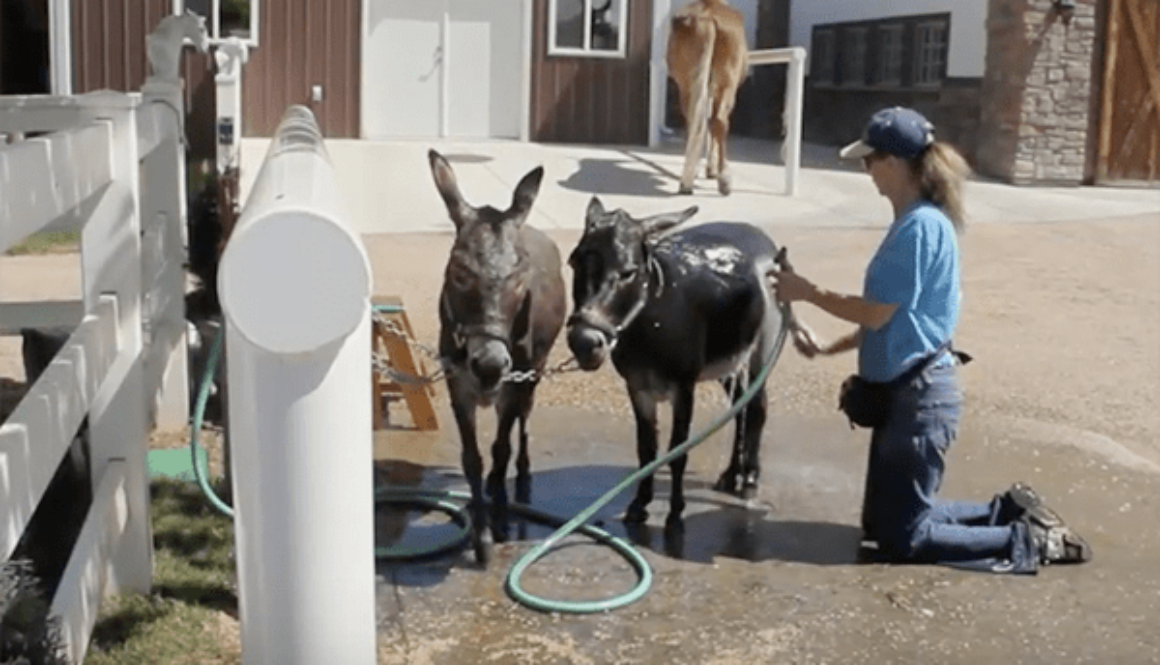
“Hmmmm….this feels REALLY good, Spuds!”
“This looks promising…another adventure!”
“Now we are both shed out, clean and ready for our adventure, Augie!”
“Oh, look, Spuds! It’s Wrangler & Chasity! Oats around…LOL!!”
“It’s Mirage and Francis, Augie…more oats…YAY!!!”
“Francis sure is PURDY, Augie!” “Still got that crush…eh, Spuds!”
“Nice to have Robin with us this time!”
“Are we going to get a trim? It looks like Dean, Augie!”
“No, Spuds, maybe a bath at this Bath House?”
“This boardwalk is kinda tricky, Augie!”
“How about a haircut at the Barbershop, Spuds?”
“No, thank you, Augie! I had one last week!”
“Ah, what have we here, Spuds?”
“Don’t ask, Augie! I think this is the Undertaker!”
“Oh, this is easy as pie, Augie!”
“Yeah, Yeah, Spuds!”
“Oats and a pat on the head is ALWAYS good, Augie!”
“I would agree, Spuds!”
“HMMM…sheet on the boardwalk, Augie!”
“No sweat, Spuds! We’re at the WILD ASS SALOON… wanna drink, Spuds?”
“No? Well let’s just head around the corner then, Spuds!”
“Under and around a hitch rail?…that’s new, Augie!”
“Time for the oats reward again, Spuds!” “Hey, what about me, Augie?”
“Did you see the sign, Spuds? We are now leaving ASSPEN!”
“It was another GREAT ADVENTURE, Augie! So many things to see!”
“Agreed! Too bad we have to go home now, Spuds!”
“Oh, well! Jump right into the stall for more OATS, Augie!”
“Oats and a nap…sounds good, Spuds!”
To learn more about Meredith Hodges and her comprehensive all-breed equine training program, visit LuckyThreeRanch.com or call 1-800-816-7566. Check out her children’s website at JasperTheMule.com. Also, find Meredith on Facebook, YouTube and Twitter.
© 2016, 2017 Lucky Three Ranch, Inc. All Rights Reserved.
MULE CROSSING: In Celebration of Mule History
George Washington imported the first jacks into the United States on October 26, 1785. The two jacks were a special gift to him from the King of Spain, although one died during the crossing. Royal Gift made it to become the sire of Washington’s mules at Mount Vernon. Two hundred years later, October 26th became Mule Appreciation Day as a result of mule’s increased popularity in modern times. George Washington was one of the very few in his time who recognized the value of breeding good mares to jacks for the best mules, at a time when most people were breeding mares that were unfit for horse production. The mule, being the hybrid cross between a male donkey called a jack, and a female horse called a mare, generally inherits the best characteristics from both parents. He is a stronger and more durable animal than the horse, requires less feed for good health, is more surefooted and is more resistant to parasites and disease than is the horse. He is smarter and less likely to injure himself than the horse, and if bred and trained properly, he possesses a disposition that is affectionate, humorous and more willing than that of the horse. In 1992, the American Donkey & Mule Society celebrated its 25th Anniversary in support of mules and donkeys. In 1967, inspired by “Platero,” a gentle donkey and friend owned by the Hutchins family, the A.D.M.S. was founded by Paul and Betsy Hutchins and has grown into an appreciative organization of over 4000 members. They have encouraged people internationally to start their own clubs and organizations in support of Longears. As a result, the mule has enjoyed more different working and recreational uses now than ever before!
Although his primary use has been and still is as a pack animal, the mule has become a viable saddle animal, competing in all of the same types of events as horses. He has his own shows, as well as competing against horses in other types of shows. He is a curious animal and commands attention and interest wherever he goes. Mules and donkeys have been exhibited in the opening ceremonies at the Olympic Equestrian games years ago. There was an A.D.M.S. entry in the Tournament of Roses Parade in Pasadena on New Year’s Day 1992 and they have been exhibited at many horse shows and events across the United States. Special interest groups have been formed to help to preserve the integrity of these wonderful animals in an effort to educate people as to their use in the world today.
The Donkey Sanctuary in Great Britain rescues abused donkeys and allows them to live out the rest of their lives in peace, comfort and good health. Some of the donkeys are used at yet another place called the Slade Centre in Great Britain in a handicapped drive and ride program, while the Donkey Protection Trust provides experts in the field to poorer countries for healthier and more economically productive use of their donkeys where lives are actually dependent upon them. Interest in these remarkable animals has spanned many miles around the world and has brought people and cultures together for a common cause.
Special people dedicated to the positive promotion of Longears have educated others about these valuable assets to our society, and have helped to dispel old rumors and unkind attitudes about them. The result of their work is apparent in the lives of many people who have had the opportunity to be exposed to mules and donkeys. Mules and donkeys have bridged gaps among people, cultures and religions. Their contributions can be found in many aspects of our lives.
In 1992, the Lucky Three Ranch in Loveland, Colorado, in keeping with the spirit of Longears, developed an apprenticeship program for students wishing to learn about the many aspects of the Longears industry. It originated as an effort to have a cultural exchange of ideas and attitudes worldwide. It was basically a program to teach the student how to train and manage mules and donkeys, but it also covered the economic,
commercial and social aspects as well. We were proud to accept our first student, Ruth Elkins from Great Britain, in October of 1992. It was her wish to not only learn as much as she could about Longears, but to introduce an American Dressage Mule to her country when she returned. She had hopes of inspiring a new and interesting challenge to others in her own country. How appropriate that our first student should arrive during the very month that we have designated to appreciate mules! This now online program has since been revised and is called the TMD Equine University – open to students from the U.S. and around the world who can understand English. For those who cannot, we have our website at www.luckythreeranch.com translated into French and Spanish, and three manuals that correspond with our Training Mules and Donkeys DVD series are also translated into French, Spanish and German.
Historically, mules have been primarily responsible for helping to build this country into what it is today. They aided the cavalries in the acquisitions of land. They pulled covered wagons of settlers thousands of miles across the new frontier. They worked in the coal mines, along canals and in the Southern cotton fields, as well as other crops. Mules helped build some of our major recreational facilities, such as the Rose Bowl, and have helped provide safe access to treacherous mountain recreational areas, such as the Grand Canyon, where the use of horses is questionable… and the list goes on!
Today, the mule still makes his tangible contribution to our social growth and development. He is an animal which has evolved with the times and there seems to be no end to his capabilities and contributions. New uses are continually being discovered for this highly versatile and adaptable animal, limited only by our own imaginations. It’s only fitting that we take the time to appreciate Longears on October 26th, an animal who has contributed so much to all of our lives. Thank you, mules…and donkeys, too! Life might not be as sweet, were it not for you!
To learn more about Meredith Hodges and her comprehensive all-breed equine training program, visit LuckyThreeRanch.com, MEREDITH HODGES PUBLIC FIGURE Facebook page, or call 1-800-816-7566. Check out her children’s website at JasperTheMule.com. Also, find Meredith on Pinterest, Instagram, MeWe, YouTube and Twitter.
Covered in TRAINING MULES & DONKEY: A LOGICAL APPROACH TO TRAINING, TRAINING WITHOUT RESISTANCE, EQUUS REVISITED and A GUIDE TO RAISING & SHOWING MULES at www.luckythreeranchstore.com.
© 1992, 2016, 2024 Lucky Three Ranch, Inc. All Rights Reserved.
MULE CROSSING: Stubborn As A Mule
By Meredith Hodges
“Stubborn as a mule” is hardly an appropriate cliché to describe today’s mules who are sweeping the countryside with their remarkable abilities! But why now? Why haven’t mules been used successfully as saddle animals before this? My only guess is that in the past, we did not afford ourselves much leisure time out of necessity. Therefore, mules used for packing and farming had to be broke quickly to help with the work. They were generally trained by older and more experienced animals by working in teams. People did not have the time to spend training one horse, much less one mule! If an animal refused to learn under the “team” plan, he was quickly discarded for an animal that would. Today we find that to train mules successfully for a variety of uses, we must spend a lot of quality time with them to get the desired response. Mules do not profit from hasty or forced training. With this new approach to training mules, they are rapidly becoming a preferred saddle animal.
It does not seem strange to me that this phenomenon with mules is finally taking place. A mule usually inherits his strength and intelligence from the jack and his beauty and athletic ability from the mare. Of course, both the jack and the mare can contribute more and less, of each other’s major attributes varying the looks and abilities of the offspring. Still, the offspring of a given mare will exceed the abilities of that mare after adding the jack’s incredible strength and intelligence. It is no surprise, then, in the face of this evidence, that using an athletic, sport mare will produce a sport mule, and so on.
In Europe, the Equestrian Arts are revered and preserved on a majority basis. In the United States, equestrians are a minority, taking a back seat to baseball, football, and other sports of the “common man.” Still, there is a marked growth of equestrian skills and equine performance that CAN carry us into the future with added equestrian interest. The spectators of Equestrian Sports must be considered. It is the spectator who pays to support us and it is the nature of the spectator to want to be entertained. In order to preserve their interest, we must keep them abreast of new developments in our industry, new events, new people, and new animals that now include mules! Since mules are now successfully competing with and against horses, it only stands to reason that they can be an asset to the industry as new talent. A complete list of uses and accomplishments of the mule is still not possible since the mule has not been tested completely, but that which has been tested is positive, including testing as an embryo transplant recipient. The mule has many redeeming qualities that make him attractive to Equestrians: he is durable, intelligent, extremely surefooted and less expensive to maintain than are horses. An added bonus is the affectionate, mischievous nature of the mule when treated kindly and fairly.
Sometimes we humans fall into the belief that one breed is better than another (with mules at the bottom, of course?!!!) when we should actually be looking at the whole picture a lot more realistically! It really isn’t that one breed is better than another. Rather, there are individuals within every breed who will excel. Whether that individual is a Warm Blood or a mule, shouldn’t he have the support of the entire equine industry and not just the support of his own breed?! If we had not integrated baseball, or football, for example, do you think it would have grown into the industry that it is today?! Probably not! Together we stand, divided we fall. Bickering over such trivialities in or own industry creates dissention and separation of resources. Better to use all the resources we have available to us in a positive and favorable manner for the support and preservation of our entire equine industry. Let’s get our priorities straight and do it for the survival of our industry, do it to improve your own skills, and do it to improve your equine’s skills! Try to keep your personal feelings in check for the sake of the whole and appreciate the art and skill of all our equestrians in the learning process. We can all learn from each other. “Mules can make a viable contribution to equestrian events… if we only give them a chance!!!!”
To learn more about Meredith Hodges and her comprehensive all-breed equine training program, visit LuckyThreeRanch.com, MEREDITH HODGES PUBLIC FIGURE Facebook page, or call 1-800-816-7566. Check out her children’s website at JasperTheMule.com. Also, find Meredith on Pinterest, Instagram, MeWe, YouTube and Twitter.
Covered in TRAINING MULES & DONKEY: A LOGICAL APPROACH TO TRAINING, TRAINING WITHOUT RESISTANCE and EQUUS REVISITED at www.luckythreeranchstore.com.
© 1989, 2016, 2024 Lucky Three Ranch, Inc. All Rights Reserved.
MULE CROSSING: Donkey Talk
By Meredith Hodges
Donkeys are indigenous to desert areas that are often extremely hot or extremely cold. They are tough, surefooted due to the unique shape of their hooves, resistant to parasites, and disease and can withstand wide variations in climate. They require very little to survive and actually prefer the wide variety of brush and weeds that occur naturally in the desert with one of their favorite foods being dandelions.

Donkeys possess an incredible hair coat that does not shed off completely like horses do in the summer months. In their first year, a young donkey will keep his thick hair coat throughout the summer and won’t lose most of the hair until August.

In August, he will not have the thick hair coat, but will retain some longer, wispy hair unlike the horse. This thick hair is meant to insulate the foal against extreme heat and cold until he is able to develop enough body fat to help regulate the temperature throughout his body. It will stay thick inside the ears and will protect the donkey foal from parasites, bugs and severe trauma.

In one short month, the young donkeys will begin to grow back their thicker, winter under-coat in September in preparation for the cold.

As the donkey ages into the prime of his life, he has a covering of body fat to help keep his temperature insulated and the thicker hair is no longer as long and shaggy. Of course, there are some breeds of donkeys that will grow more thick hair than others, but the shaggy hair as an adult is generally reserved for the French Poitou Donkeys.
As the donkey gets to be over 25 years of age, he will begin to grow thicker hair year round to compensate for his loss of body fat due to old age.


When we show our donkeys, we body clip them, but if this is done, it is imperative to blanket them if it gets too cold and provide a light sheet during the cool summer nights.
Understand that they now no longer have the PROTECTION of their unique hair coat. When traveling, donkeys will sit back in the trailer and can rub themselves raw during the ride, especially if they have been clipped. When unclipped, the hair coat will keep this kind of damage to a minimum.

If your donkey does get these kinds of sores, they can usually be healed fairly quickly with a daily application of Neosporin ointment (Photo below was taken one week later). Note that when you clip, there is also the consideration of sunburn.

If you clip your donkey for show and need to haul any distance at all, you should protect his precious rear end by using a blanket or sheet secured over the hind quarters. The best course of action is not to body clip your donkey at all if you do not show. Remember, he’s a desert animal and Mother Nature has already provided him the protection that he needs against the elements.


To learn more about Meredith Hodges and her comprehensive all-breed equine training program, visit LuckyThreeRanch.com, MEREDITH HODGES PUBLIC FIGURE Facebook page, or call 1-800-816-7566. Check out her children’s website at JasperTheMule.com. Also, find Meredith on Pinterest, Instagram, MeWe, YouTube and Twitter.
© 2017, 2018, 2021 Lucky Three Ranch, Inc. All Rights Reserved.
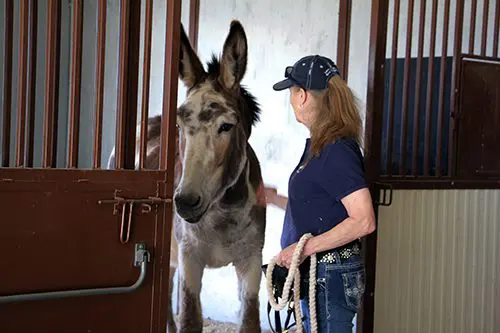
CHASITY’S CHALLENGES: After the Winter Break: 3-29-21
Due to the colder and more inclement weather here in Colorado, Chasity has been off her exercise program for about three months. It was time to get back to work! No matter how long it has been between lessons, when you have a specific routine, the equines seem to comply easily because they know what to expect, beginning with going to their regular work station to be groomed and tacked up. In order to keep upper respiratory disease at bay, eye infections and ear problems to a minimum, it is advisable to clean these areas with a damp towel regularly. Be polite and wipe the towel in the direction that the hair lays and clean the nostrils with a circular motion. This repetition will prevent them from getting head shy.
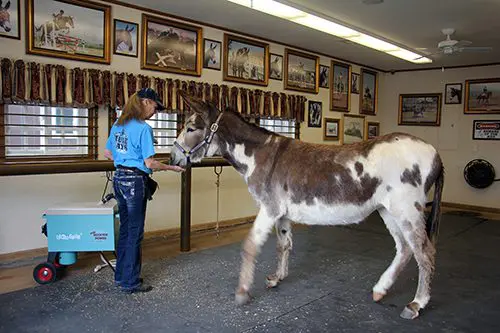
Chasity still thinks the vacuum cleaner is questionable, but she tolerates it now. Not only does it pull the dirt from the skin for healthy hair growth, it also promotes circulation better than massage and does a better job at softening her “fat roll.” I used massage in the beginning when Chasity first came here with her enlarged crest (photo below on the right).
It had become somewhat enlarged again about three weeks ago, but after two sessions with the vacuum cleaner, it has decreased substantially already.
Another valuable therapeutic grooming tool is this simple human, multi-bristled hairbrush. It is not only VERY helpful during shedding, but also works to further stimulate the hair coat and promote better circulation, as well as efficiently removing dirt from the skin. I have found it to be more helpful for healthy hair than any equine grooming tools. The long, thick hair coats of winter and spring stay soft and healthy when I use this hair brush over the entire body. I only clip bridle paths when the weather gets warmer and I leave body clipping for showing. The only other grooming tools I use are a shedding blade to remove mud and a dandy brush to finish the coat. They can have balding spots from rubbing during the shedding season and may even get sores, but I just treat those with Neosporin and they recede quickly. A healthy hair coat will insulate your equine from the heat and cold and protect them from insects better than any artificial products or practices.
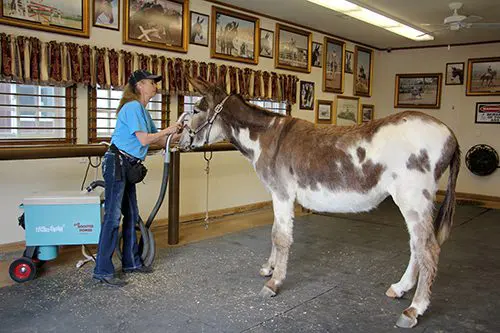
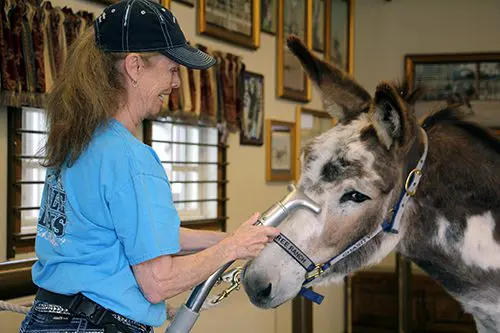
Equines do like feeling clean all over and really do appreciate your efforts at keeping them this way…although, they don’t necessarily show it when the first thing they do after a good grooming is to go for a good roll in the dirt!!! Still, they do seem to realize that you care and will show their appreciation in a multitude of other ways…like being happy to leave their companions to go with YOU and stand quietly during grooming, tacking and hoof care!
Feeding is a very important consideration for healthy hooves as are regular trims when needed, usually every 8-10 weeks. For donkeys, it can even be longer between trims when they wear their hooves in good balance. Chasity had hoof issues when she first arrived, but is now sporting healthy balanced feet! Remember that Longears will be more upright and have more heel than horses and ponies…and donkeys will typically be more upright and have more heel than mules.
Fitting saddles can be tricky. Make sure the saddle makes even contact behind the withers and over the back with relief from pressure over the spine. Many saddles sit too high and cause centralized and uneven pressure across the back. Pressure points are easily identified after a workout. The back will be sweaty, but the pressure points will be dry.
Place the saddle in the center of the back, behind the shoulder blade, the girth falling 4” behind the forearm where the skin is thicker and body begins to swell. I have successfully used cruppers with the buckles set away from the tail to hold it in place. The crupper is adjusted with just enough tension so the tail will still be able to rest comfortably.
I am using the neck sweat on Chasity for lunging to promote a decrease in the crest. When bridling, I press my thumb on the bars of her mouth to get it open and protect her ears with my hands as I pull the crown piece to the poll. This promotes trust and keeps any equine from getting ear shy.
On an English saddle there is a small d-ring that I use to tie up the reins.
Then it is off to the Round Pen. I always stay in sync with their front legs when we walk and execute the gates EXACTLY the same way EVERY TIME! All movements are predictable, never abrupt. They comply due to trust.
I adjust Chasity’s postural restraint, the “Elbow Pull,” and then remind her to give to the tension to get the release with a reward of oats for flexing at the poll. Wrangler, “Mr. Curiosity” watches intently…they do learn from each other!
Chasity’s overall posture has changed dramatically as has her movement. She uses her body much more efficiently.
Chasity has strong hind quarter engagement with an uphill balance to promote enthusiasm, endurance and stamina.
A reward is always in order for a job well done. Her forward stretch has improved greatly in one short year.
The lateral stretches are also much improved. After five rotations of walk, then trot, then reverse and repeat the other direction, 3 sets with a 3 minute break in between, then stop. Done once a week is adequate to maintain conditioning.
I hold the halter crown strap in my hand and protect her ears as I remove Chasity’s bridle. Then I slip the bridle onto my left arm, bring the noseband over her nose with my left hand and fasten the halter to the strap in my right hand. This ensures that I can keep hold of her should she try to pull away. Last, I fasten the tie strap from the hitch rail.
I always unfasten the girth on the left, then tie up the girth on the right, slide the saddle back, loosen the crupper from the tail and take off the saddle on the right side. This gets the equine used to being handled from BOTH sides. I always rinse the bits and wipe any dirt from the bridles and saddles before putting them away…saves work in the long run!
I remove Chasity’s neck sweat to see how much sweat is underneath…encouraging! We are definitely making progress!
To end, we do a few more stretches in each direction. These are improving immensely, too!
Then it’s walking IN SYNC back to the barn for turnout in the larger dry lot. They enter the stall, ladies first, and then they both turn around to allow me to remove their halters and to enjoy their last reward. I keep all my donkeys off grass most of the time. I find that they stay healthier and do not run the risk of getting obese that way. They do have large dry lots for turnout on pea gravel every day and a couple of acres of dirt pen for really stretching their legs every other day. They do get some grass when we go for walks, but do not seem to miss it most of the time. They are too busy playing and resting with each other…and looking forward to our next lesson TOGETHER!