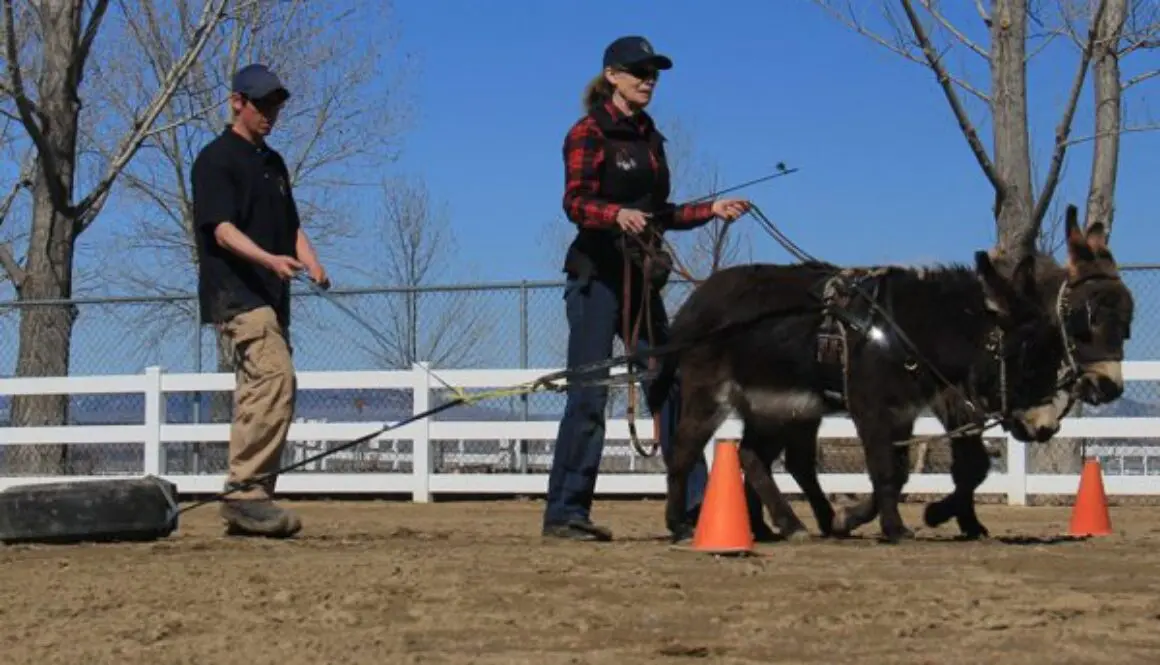
CHASITY’S CHALLENGES: Chasity’s First Workouts: 4-1 & 3-20
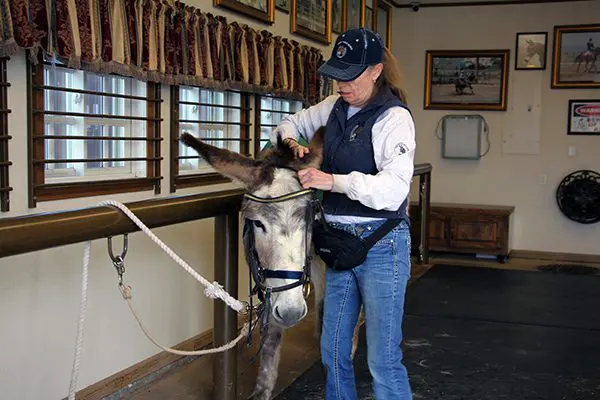
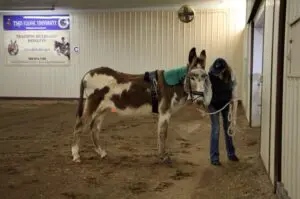
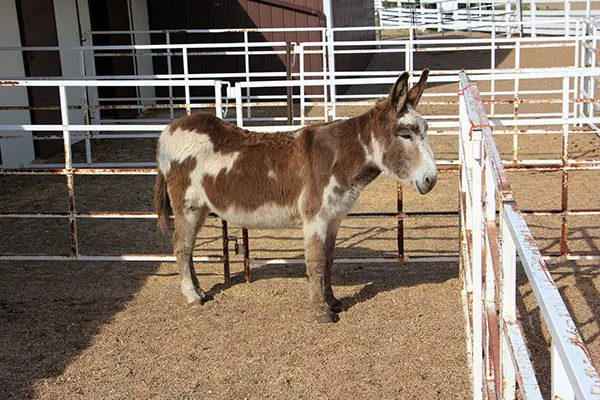
4-1-20: I led Chasity from the stall and introduced her to her new work station. It was clear that there would be a lot of work ahead. Her neck crest was fallen to one side, but was not yet permanently broken, as far as I could tell. She had fat pockets across her body and her hooves were overgrown with shoes on the front feet. At least her feet could be balanced after removing her shoes and having her trimmed. For now, I would introduce Chasity to her new routine of grooming and exercise.

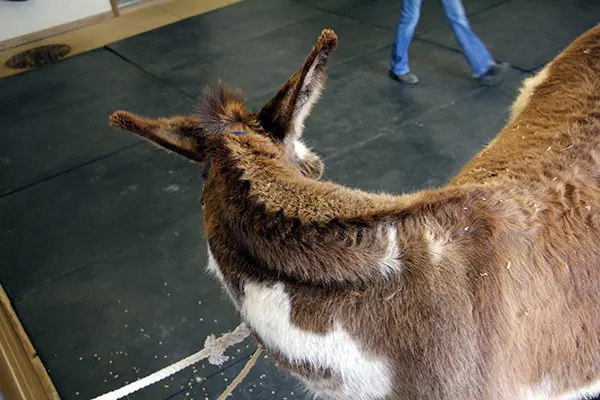
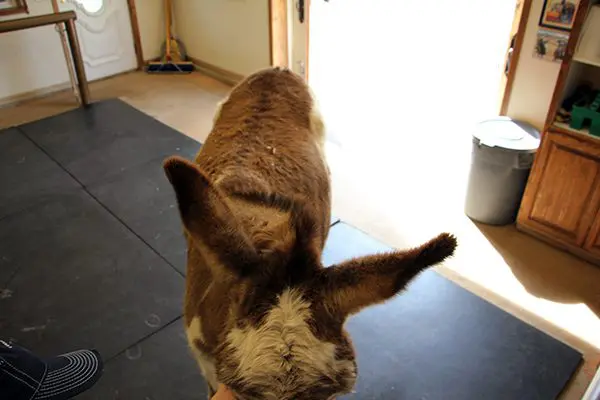
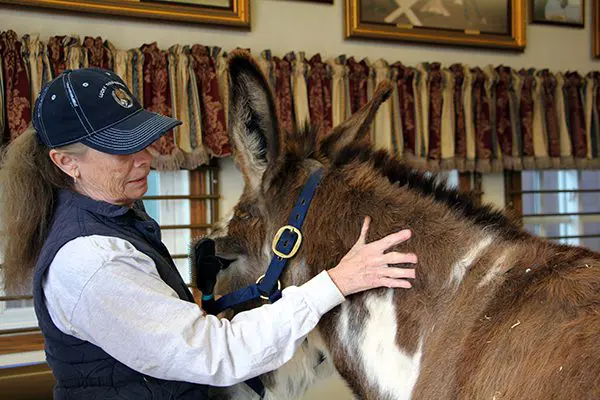
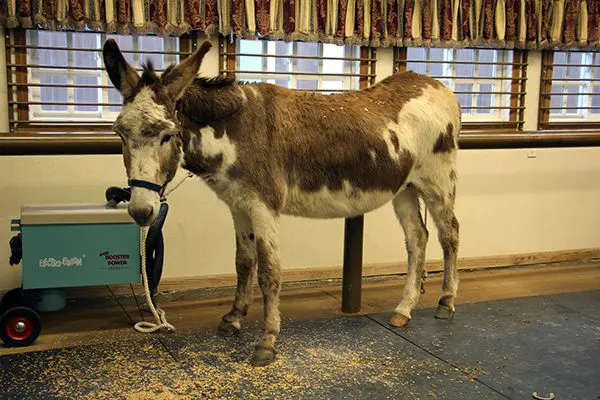
Since I wanted a clean place to set the crownpiece of the bridle without it getting tangled in her hair, I went ahead and clipped her bridle path. She was very good about having the clippers behind her ears.
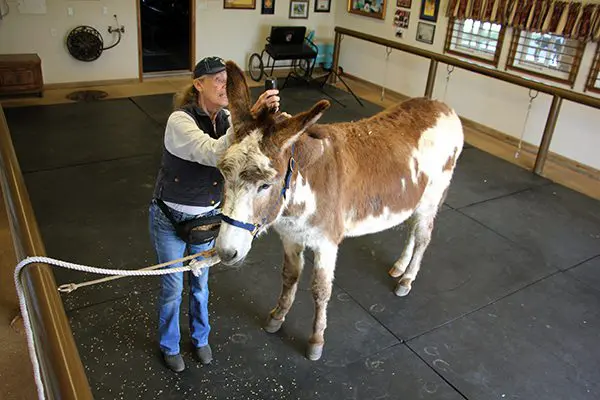
I wasn’t thrilled to have to do the workout with her feet so unbalanced, but I knew the farrier would be here the very next day, so I opted to get started. I had my Ranch manager, Chad, clean her feet.
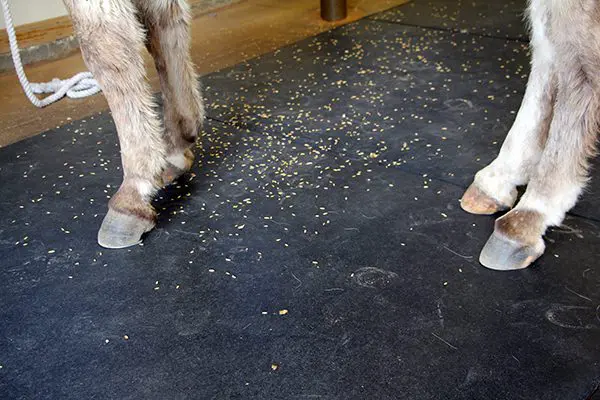
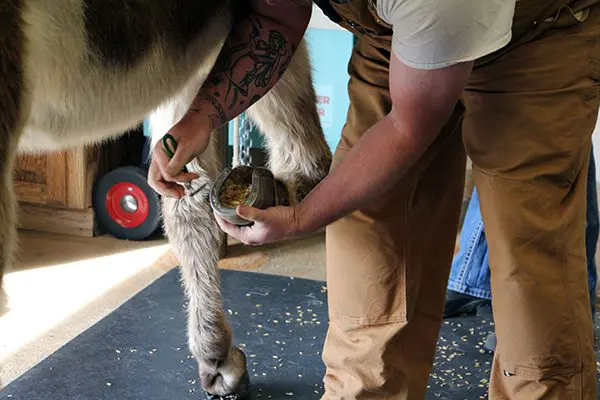
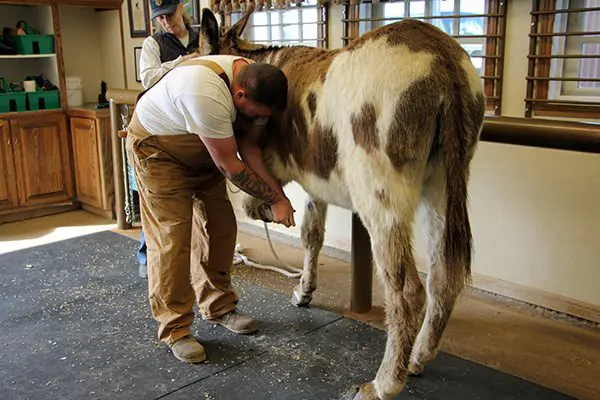
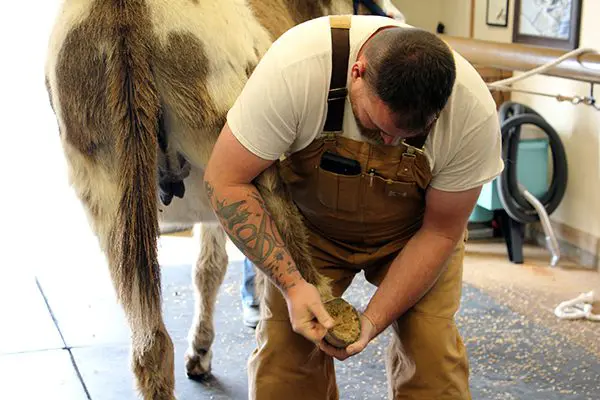
Then I proceeded to groom her with the multi-bristled human hairbrush and scrape with the shedding blade what I thought was dried milk from the insides of her hind legs.
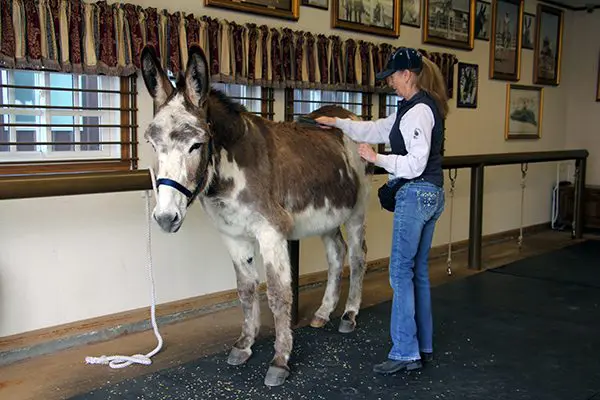
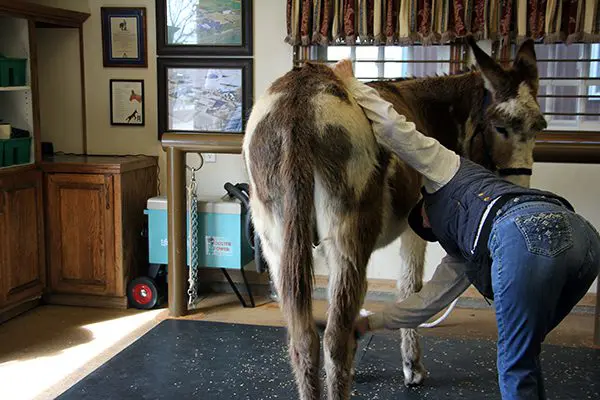
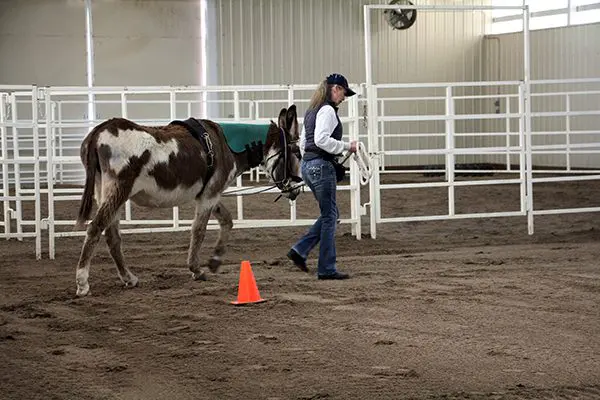
I tacked her up in a light weight surcingle, Eggbutt snaffle bridle and a neck sweat to help keep the crested neck stabilized and encourage shrinkage during the workout. Then I added and adjusted my “Elbow Pull” self-correcting, postural restraint to support good equine posture during her workout.
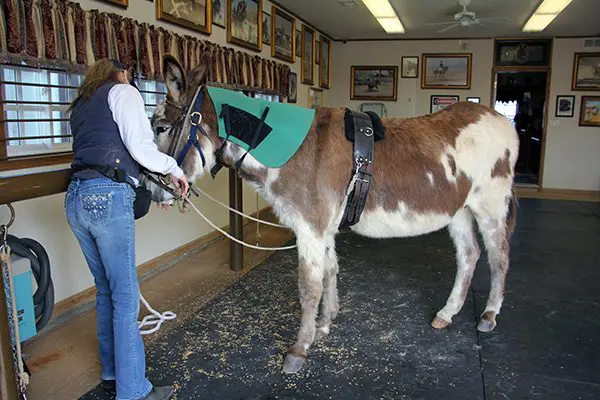
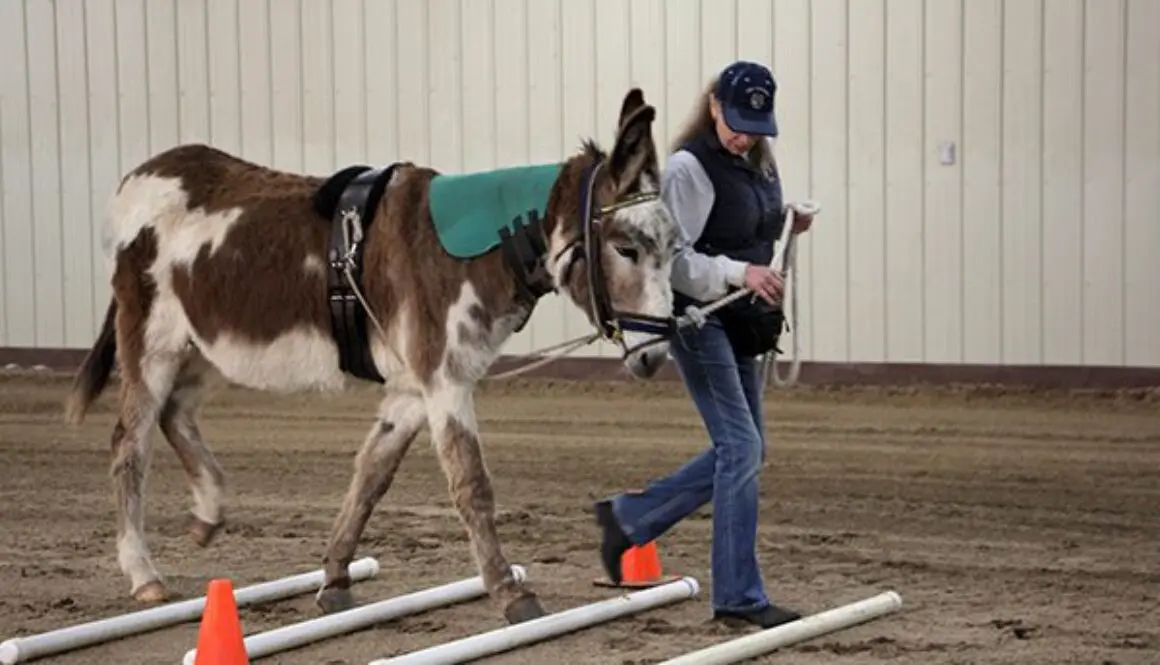
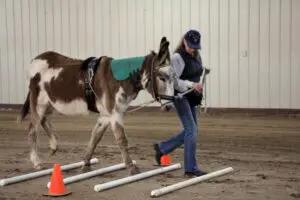
Then it was time to go to the indoor arena where I had the Hourglass Pattern with ground rails set up for her therapy sessions. She hollowed her neck and back, and “trailered” her hindquarters behind when she walked. It was the same when she stood still with an inverted neck and back and camped out behind.
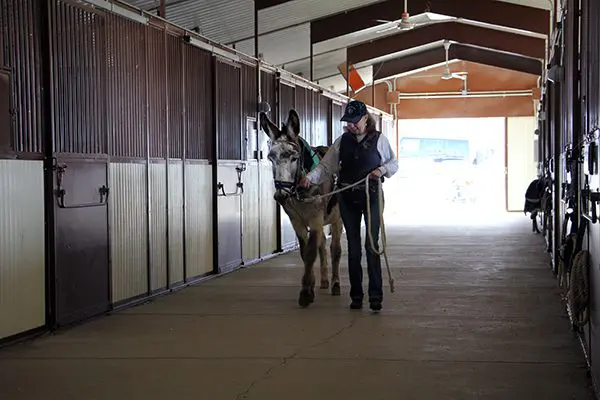
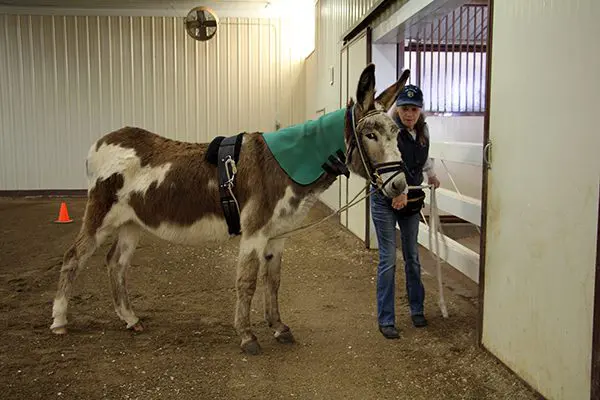
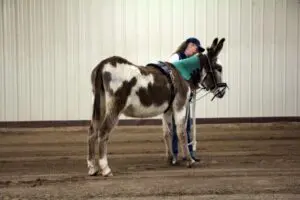
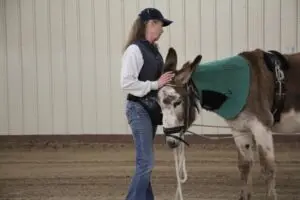
I began her postural therapy…leading her through the Hourglass Pattern in the “Elbow Pull” restraint to encourage her good posture. The neck sweat would begin to shrink the crest on her neck. She didn’t know exactly what was expected at first, but soon “got with the program” of walk and halt in designated places. She was asked to square up with equal weight over all four feet and then be rewarded for her effort. I waited each time for her to finish chewing her crimped oats before proceeding again along the track of the Hourglass Pattern.
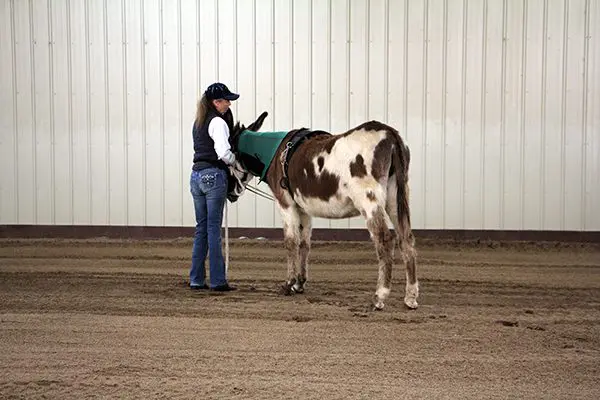
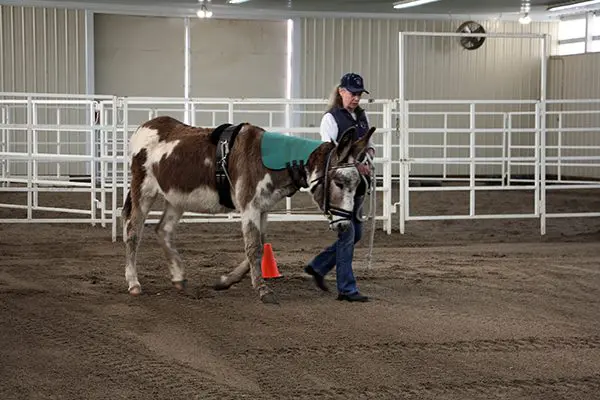
As she walked, she submitted to the pressure from the “Elbow Pull” restraint which meant she was holding her own good posture when it was loose. She would lean against it when she could not hold that posture, but I encouraged her to relax and “give” to it each time we halted.
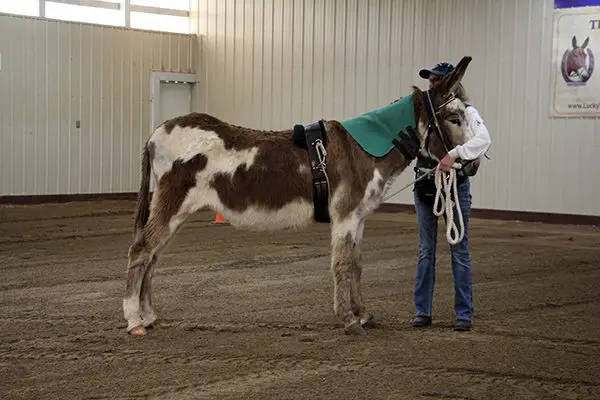
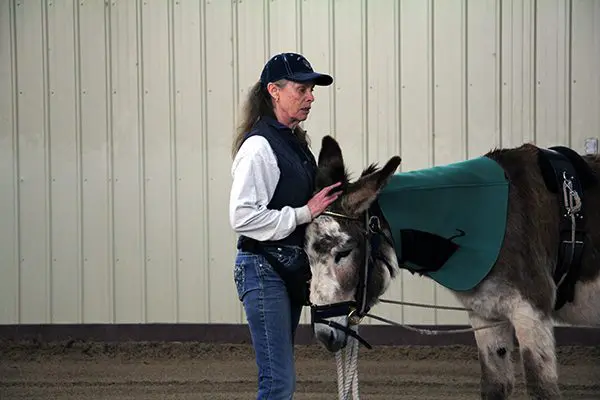
Chasity tracked once around one way and then once around the other way. She walked over the ground rails in the center of the pattern and stopped at strategic places between the cones to do square halts and stand still. I also stood still after dispensing her rewards so she would never feel rushed. She learned to stretch her back and engage her abs, and slowly began to improve even after only one session!
One of my ranch hands, Steve, said that he noticed her back and overall posture looked ever so slightly better when she was done, even after only one session! I think I see some very subtle improvement from the beginning to the end of the workout as well. It will take a long time to get her REALLY correct in her posture, but it is truly exciting when it begins to happen!
4-3-20: I went ahead and did Chasity’s therapy session in the Hourglass Pattern again. She did well in her workout and I noticed that her hair coat is already considerably softer. She had some difficulty squaring up, but it could be soreness from the previous workout. Standing squarely is unnatural for her and it will just take some time before it becomes comfortable. After having her hooves trimmed, she is moving a bit more balanced…not quite as awkwardly. Going forward, I will be doing her workouts at least once a week, but no more than every other day. Muscles need to be appropriately stressed during the workout, but not fatigued, a day of rest is needed in between to fully recover. I expect it will probably take six months before we have redistributed the fatty tissue and solidified her balance in good equine posture. I am fortunate to have such a nice indoor arena in which to work during inclement weather.





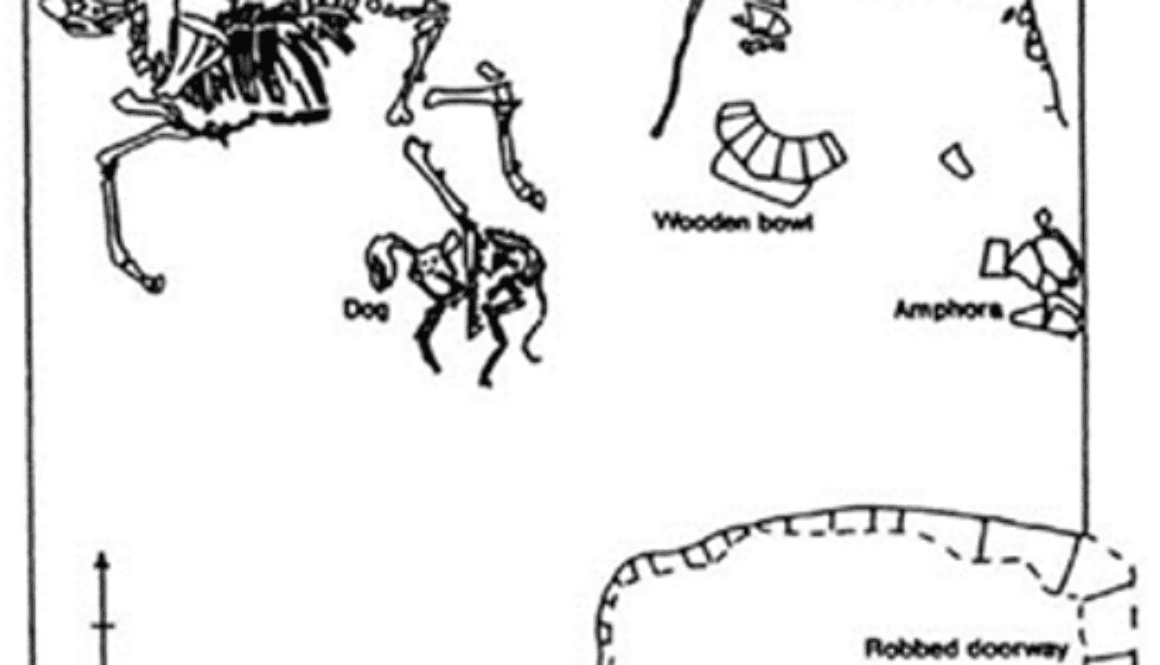
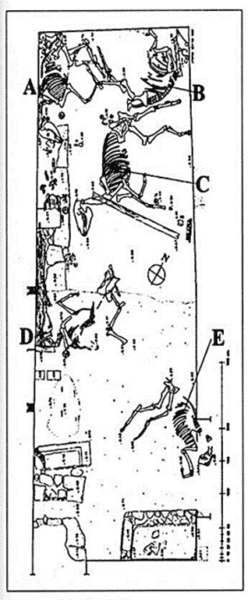

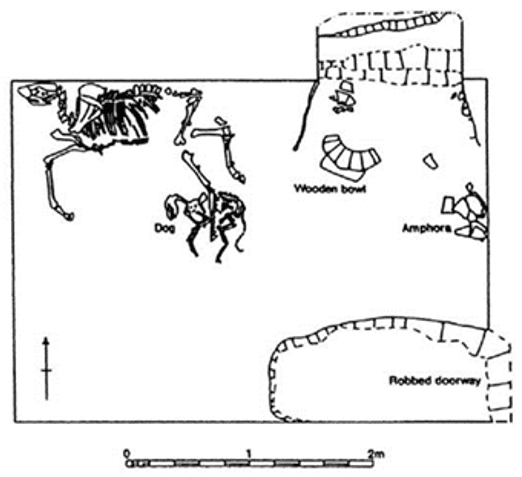
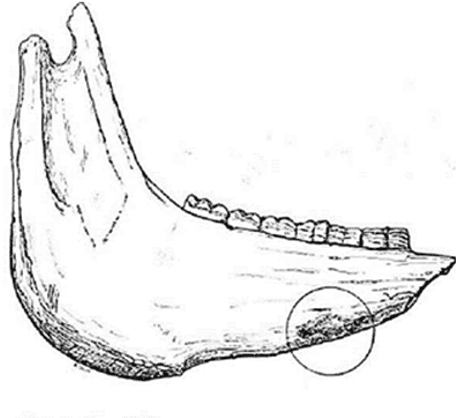
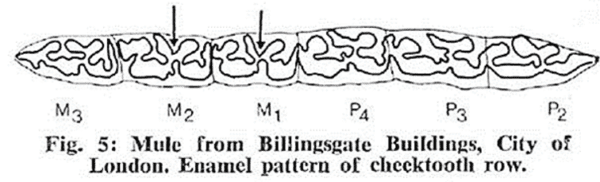

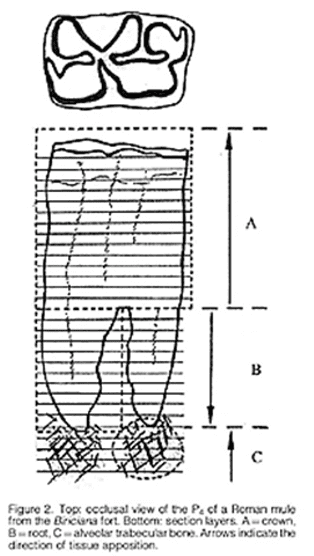 The Roman fort at Weissenburg, called Biriciana in ancient times, is a former Roman Ala castellum, which is a UNESCO World Heritage Site located near the Upper Germanic-Rhaetian Limes.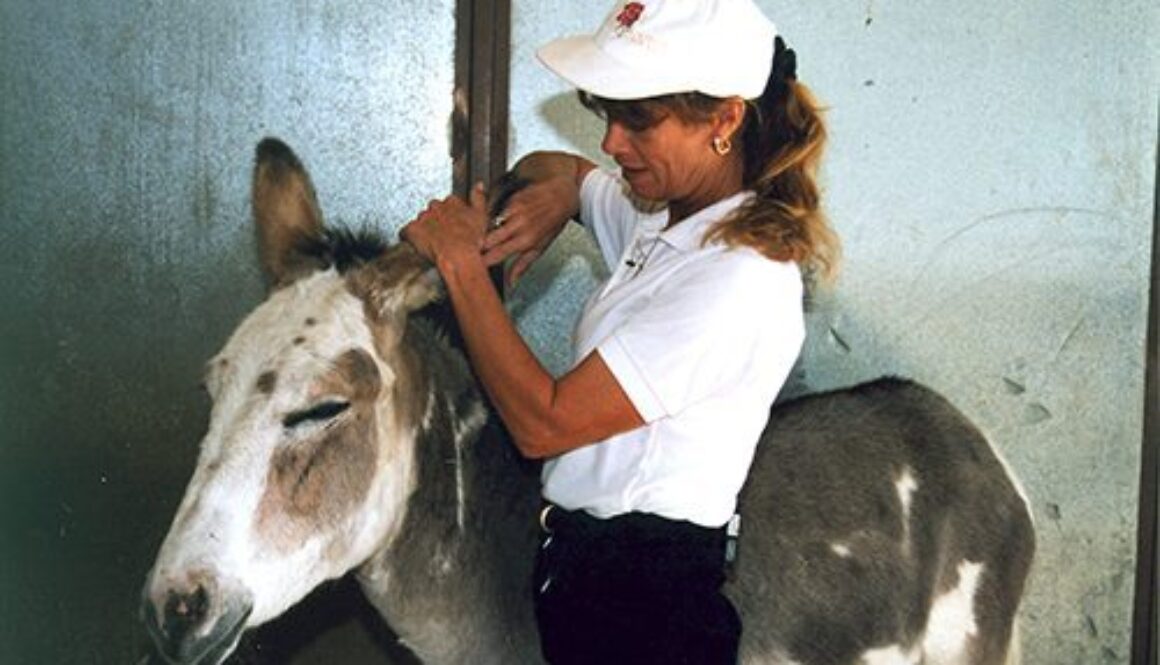









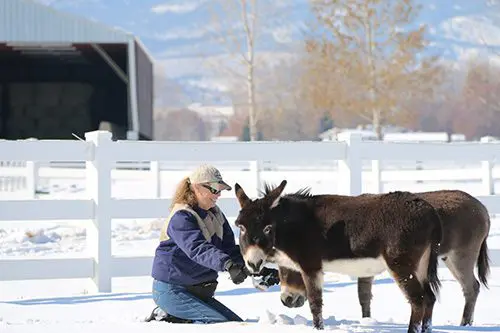
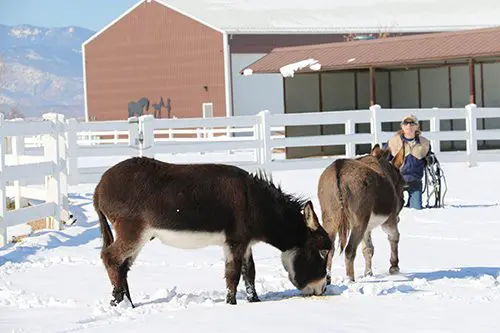

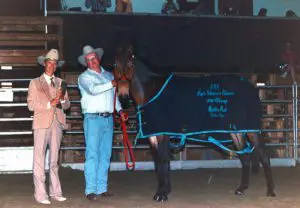 Being asked to judge a show is both an honor and a tremendous responsibility. Just being asked to judge indicates that you have a reputation for being a knowledgeable and respected person in your field of expertise. Accepting the invitation to judge means that you are willing to share this knowledge and expertise with people who may, or may not, accept IT or you! Exhibitors can say that each show reflects only one “man’s” (judge’s) opinion, so not to worry if you don’t do well. As an exhibitor and a judge, this bothers me a little.
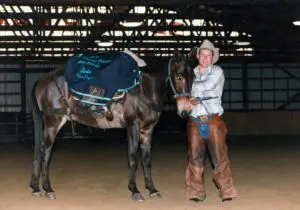 he exhibitors and not by the personal opinions of the judge. The judge should be a catalyst toward better learning and performance. He or she should try to make their knowledge readily available to inquiring exhibitors and be diplomatic enough about its delivery to inspire and encourage exhibitors to improve their skills. In turn, the exhibitors will be better equipped to exhibit their animals in a favorable light to the public at large and to grow into knowledgeable experts themselves with time and experience.
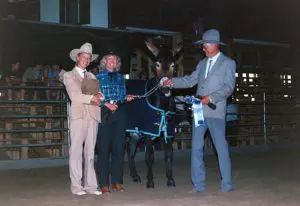 objective in his decisions and be able to back them up with reasonable and knowledgeable explanations that will inspire exhibitors to work harder and learn more. He should have a congenial attitude that invites exhibitors to question and learn freely without intimidation.
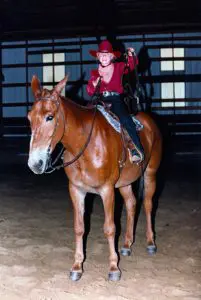 credence to his final decisions. In my opinion, judges should assist in helping exhibitors realize their full potential by helping them to improve their skills through fair, just, and educated decisions. A good judge needs to serve the idea of better learning for the sake of health, wealth, happiness, and above all, safety! A judge can be the catalyst toward learning and self-satisfaction, or he can be the catalyst toward defeat and discouragement. I prefer to be the former, encouraging exhibitors to come to me with their questions and also encouraging them to learn from each other. In our Longears industry, the ideal scenario would be to have exhibitors work at home and with each other perfecting their Mulemanship skills, bring those exhibitions of skills to a show to be judged, then return home with a feeling of accomplishment and more things to work on until the next show and the next judge. To perpetuate the learning process and to continue to learn and improve himself should be a judge’s main objective.
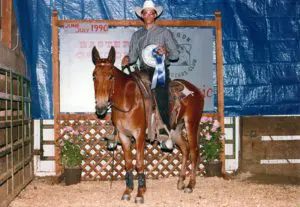 the mules and donkeys reflected this exceptional conditioning, care and handling. The show itself was obviously handled carefully and with attention to detail, leaving little margin for error or dispute. It is not really too surprising that a group such as this was able to elicit tremendous support from sponsors in their area. Their hard work and hospitality is to be appreciated and congratulated. It said a lot for the kind of people that we have in our industry – that we can all have a good time learning and showing together with our marvelous Longears, amateurs and professionals, exhibitors and judges alike! The whole idea is that each and every one of us has something to offer and something we can learn. To attend a show and to learn something new is to return home renewed and fulfilled, even though you haven’t won. To win without this mutual admiration, goodwill and learning is just another hollow victory!
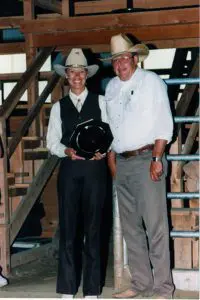 Everyone learned something at the Oregon Mr. Longears Mule Skinner Classic, including the judge! Dick and Debbie Cress and Alan and Elaine Case are to be heartily congratulated for their exceptional efforts in putting on a successful show and for taking wonderful care of this judge! Thank you to all of you who gave your time and efforts to work on the show and make it run as smoothly as it did! Thank you Larry and Fran Howe for coming with me from Colorado to help judge the packing classes and for helping to Ring Steward and to Gary Hodges for his fine photography! My deepest congratulations go to all the exhibitors for a superb effort. Keep up the good work! Thanks to our announcer Roger Harrison. And a very special congratulations to all of our Mule Skinner Classic Champions!