CHASITY’S CHALLENGES: Chasity’s Arrival at LTR 3-30-20
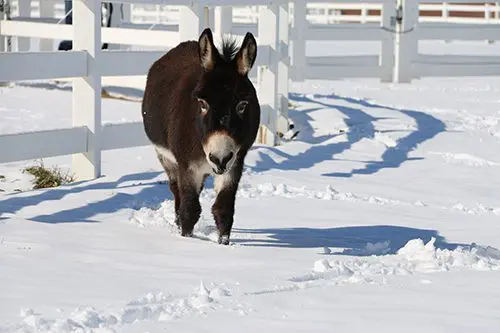
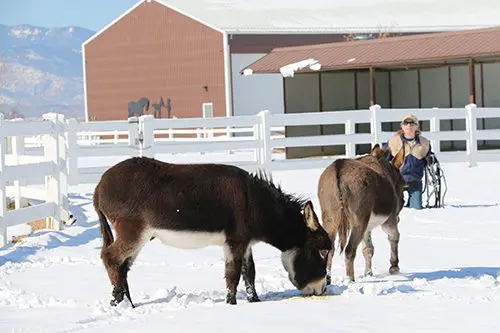
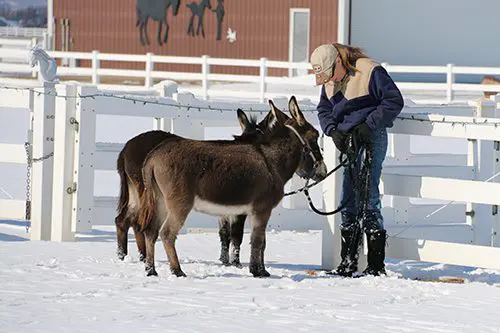
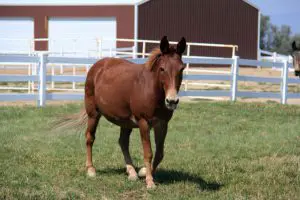
With the empty stall and run next to Wrangler, we now had space to consider getting him a new companion. I checked with a friend in Oklahoma and we found Chasity! What a lovely “Lady!” My friend said she was a really FORWARD moving jennet with a lot of independence and enthusiasm. We thought she would be the perfect companion for Wrangler!
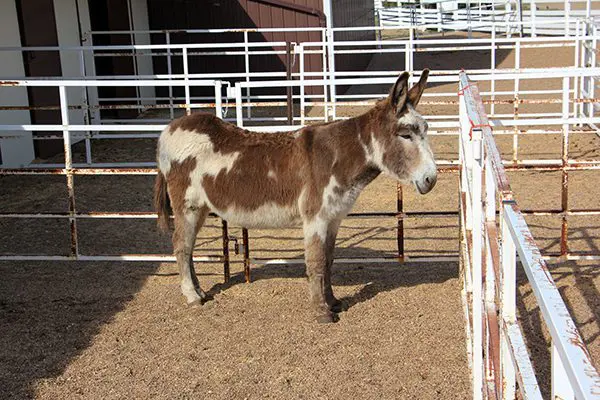
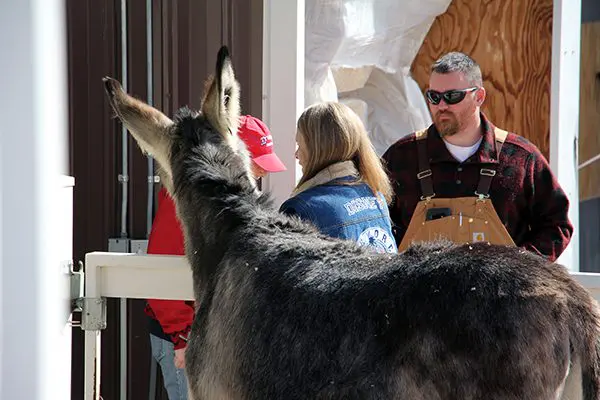
Chasity was delivered on 3-30-20 and the introductions began while she was in quarantine in a space where she could see Wrangler, but they could not reach each other.
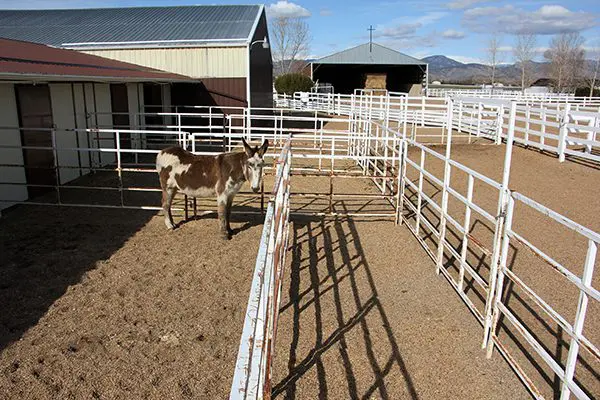
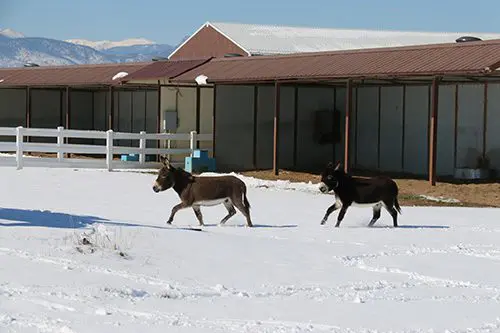
They played with excitement back and forth along the fence line for a bit!
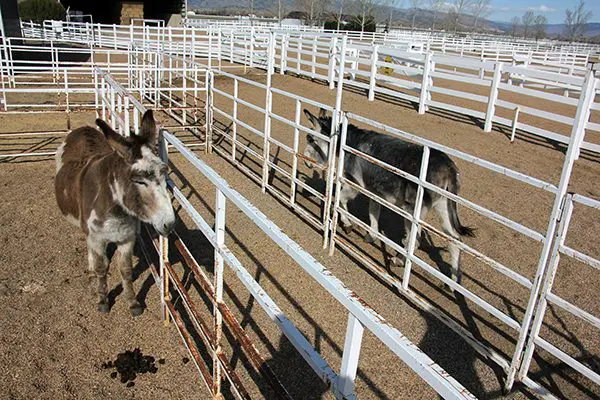
Then Wrangler had to come to me and tell me and Chad all about what a beautiful girl he had found! He was SO EXCITED!!!
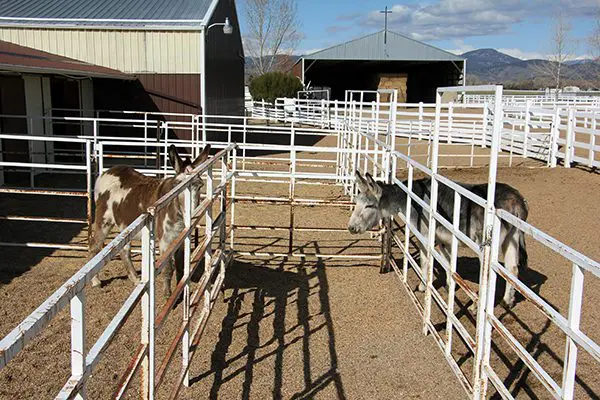
Then Wrangler returned to the fence where they ran back and forth together for quite some time!
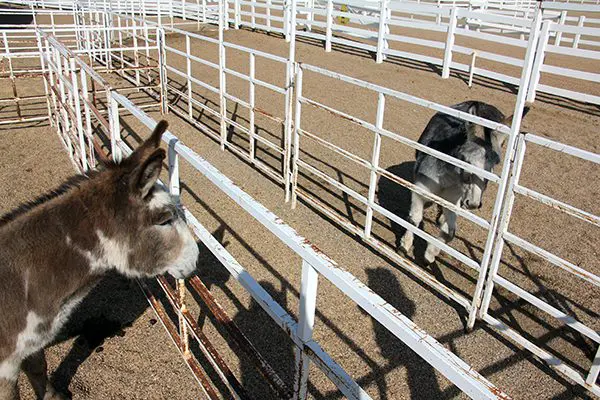
They were clearly VERY interested in each other! Love was in bloom!
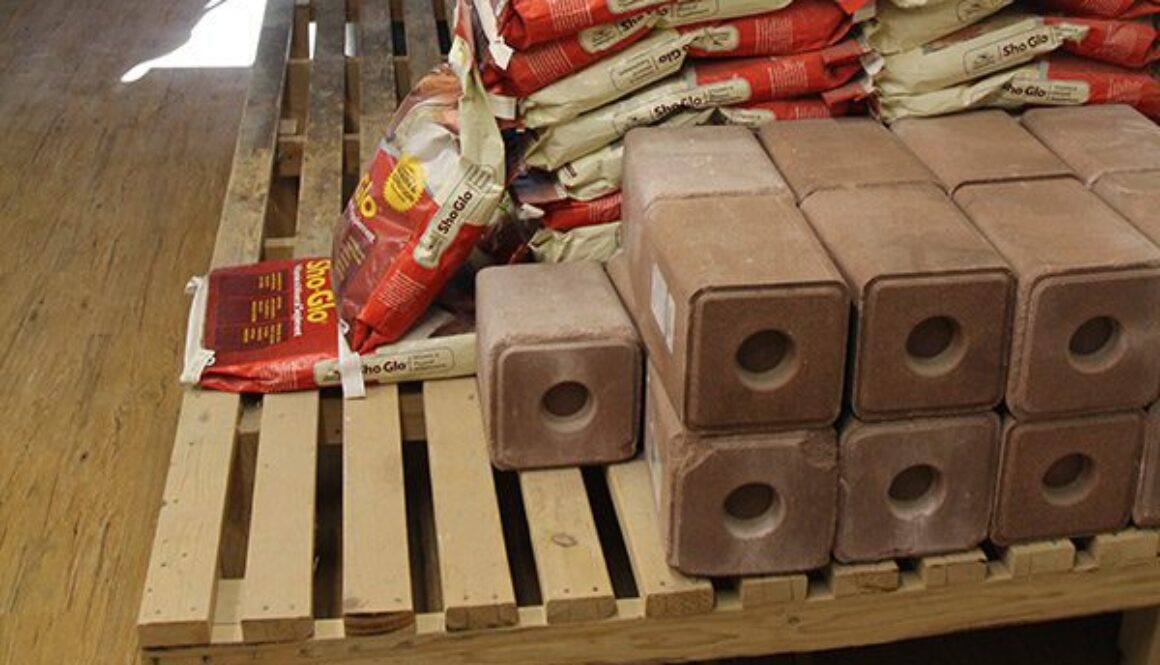
Chasity does have issues, but will be fed and maintained the same way we do with all of our equines. Many feeds can cause hypertension in Longears (and horses, too!) and an inability to focus for any length of time. Mules and donkeys require a lot less feed than horses because they are half donkey and donkeys are desert animals. Too much feed or the wrong kind of feed and you run the risk of skin irritations, abscesses, colic, or founder. The formula for our oats mix fed once a day with grass hay morning and evening is very simple and produces amazing results. Depending on the individual, we feed the average sized equines (13 hands to 17 hands) 1-1/2 to 2 cups of oats mixed with 1 oz. of Sho Glo by Manna Pro and 1 oz. of Mazola corn oil. Draft animals (over 17 hands) get twice as much and the minis get 1/4 (small minis under 36 inches) to 1/2 (36 to 48 inches) cup. We monitor weight gain and loss by decreasing and increasing the their hay intake and turnout time. A maximum of 2 cups of oats for an average sized animal (usually during the winter) is all they need. We give them oats as rewards from a fanny pack around our waist during their lessons when they actually need the added energy. The oats must be broken open in some way (crimped, steamed, rolled, etc.) as equines cannot digest whole oats. A neglected animal with coarse hair will show a drastic difference in the hair coat within four days. This feed and exercise program together will make a dramatic change in the overall body shape within six months!
If you alter or modify this regimen with other products, you will not get the same results. I make sure the equines have free access to a trace mineral salt blocks (red block) for their mineral needs. We worm with Ivermectin paste wormer in January, March, May, July and September and break the cycle with Strongid in November. When regular worming is done, the Ivermectin will kill tape worm larva, so they cease to be a problem. We vaccinate in the spring and give boosters in the fall. Consult your veterinarian to know the types of vaccines you will need for your specific area. I never feed Longears (donkeys, or mules, or even my horses) any pre-mixed sweet feeds, or excessive alfalfa products. I feed pelleted Sho Glo because it is such a small amount and provides adequate daily nutrition. Feeding larger amounts of dehydrated feeds and supplements can increase the risk of choking. You cannot add enough water to prevent them from sucking fluid from the digestive tract. Equines, and particularly pregnant equines, should not be turned out on Fescue grass. Our pastures are brome and orchard grass which seems best, although Timothy and Coastal hay are okay for Longears if this grass mix is no available. Pregnant equines we feed grass hay only from six weeks before foaling to six weeks after foaling after which their oats mix can be resumed. Chasity will be kept in quarantine with no direct interaction with the other equines for 30 days.
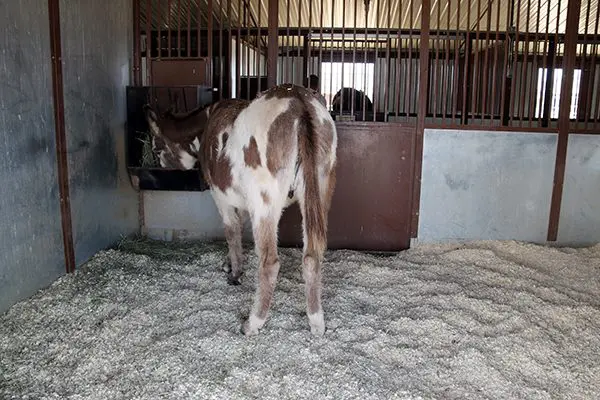
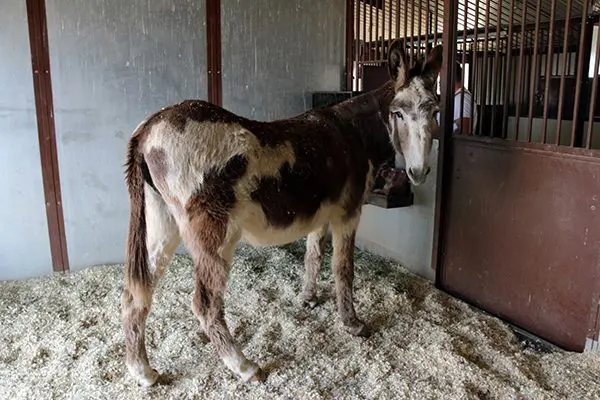
Then, she will be kept in a stall and run right next to Wrangler for evening feedings, overnight and for morning feedings for one week before they can go to turnout together in the same area. Feeding in a smaller, dry lot, or stall and run, and monitoring turnout has several benefits:
1) Each animal can easily be checked daily for any injuries or anomalies. It promotes bonding.
2) Each animal will not have to fight for his food, can sleep uninterrupted and be more calm and refreshed each day.
3) You can do turnout at specific times for grazing during the day, and bring them back easily each night because they will know their oats are waiting for them. When you feed the oats mix in the evenings, it makes it easier to call them back from shortened pasture time in the spring (they have to work into extended pasture time slowly and over several weeks).
4) You can monitor grazing intake so there will not be over-grazing. This minimizes the risk of colic, or founder (Longears should not be on pasture more than five hours a day, and only one hour a day for minis, starting with shorter periods of time in the spring).
4) The smaller area affords you a confined space for beginning training, so there is no need to chase or be interrupted by other animals.
5) Your animal will be more apt to come to you easily to be haltered after their morning feeding of grass hay for their lessons only when they know you have fanny pack full of oats for them. You should only need to call them from the gate and never play chase!
6) Having this definite routine lets your animal know what to expect and discourages adverse behaviors. If you are inconsistent and break the routine, the results will not be the same.
Chasity is a bit suspicious, awkward and unsure of things now, but we have no doubt about her easy adaptation to our program that will increase her confidence, promote good health as her postural core strength evolves and solidify her new habitual way of moving and resting.


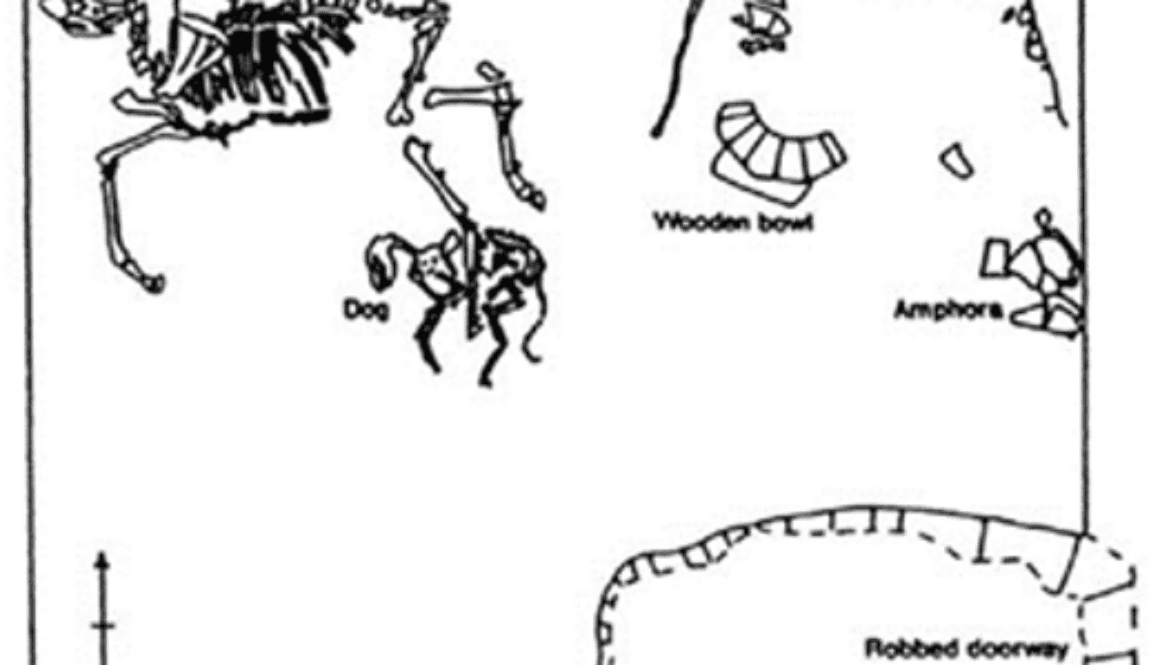
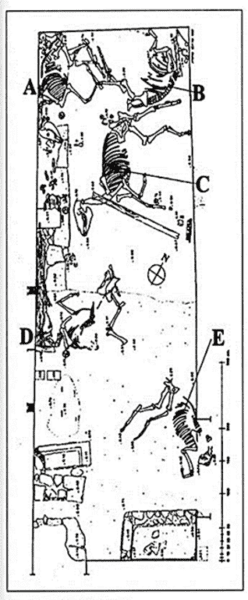

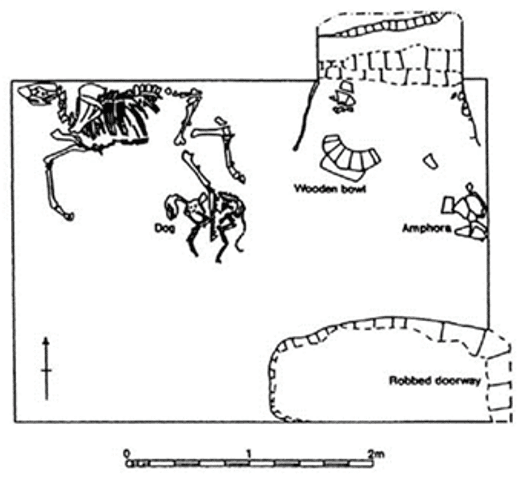
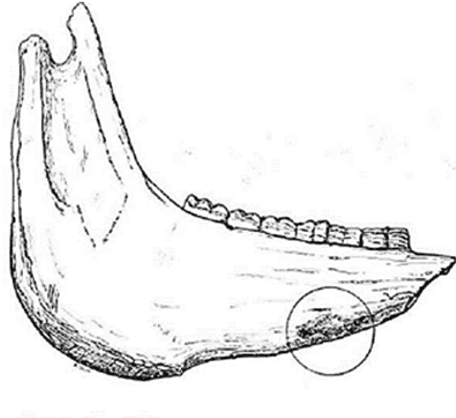
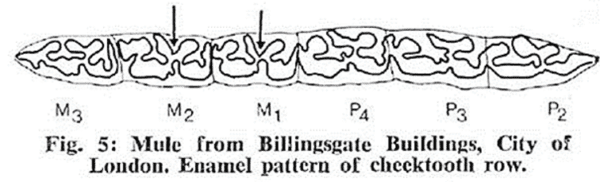

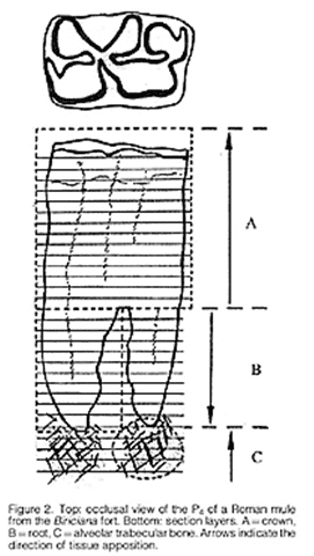 The Roman fort at Weissenburg, called Biriciana in ancient times, is a former Roman Ala castellum, which is a UNESCO World Heritage Site located near the Upper Germanic-Rhaetian Limes.
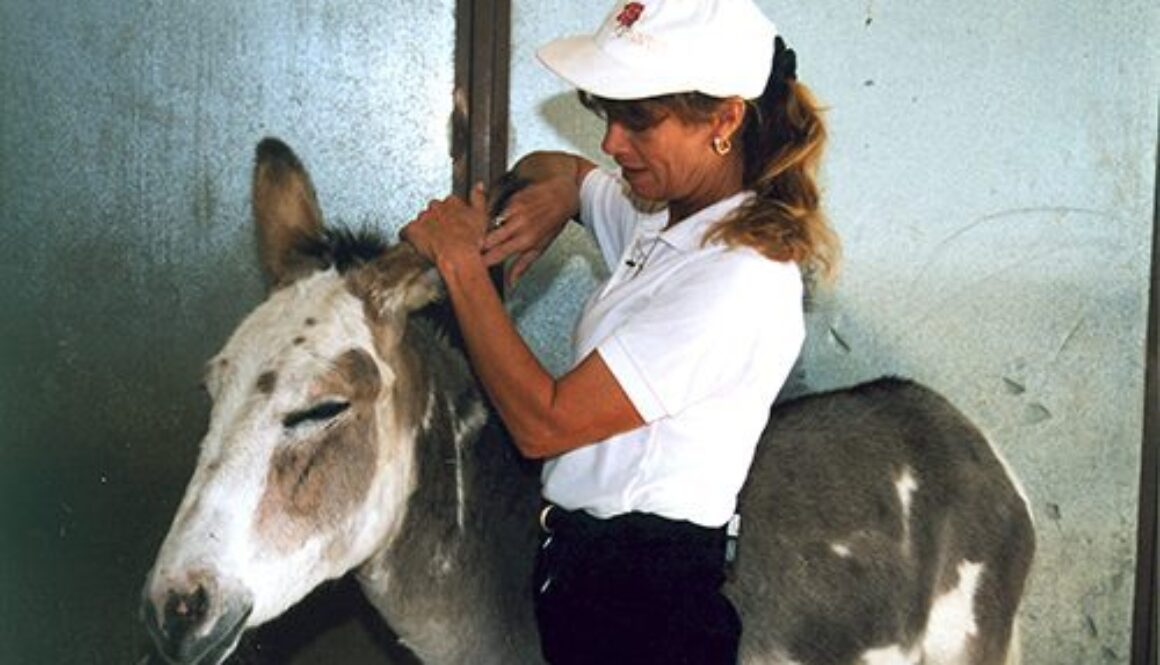


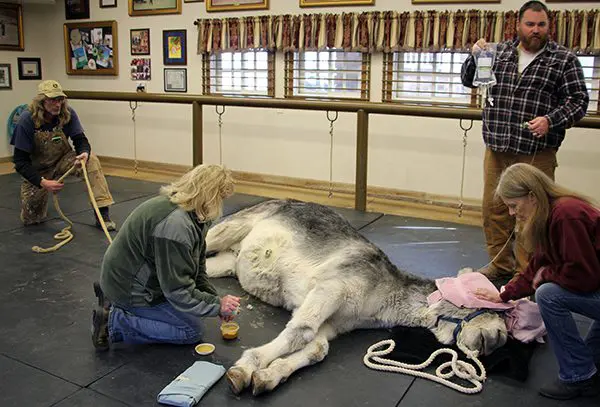


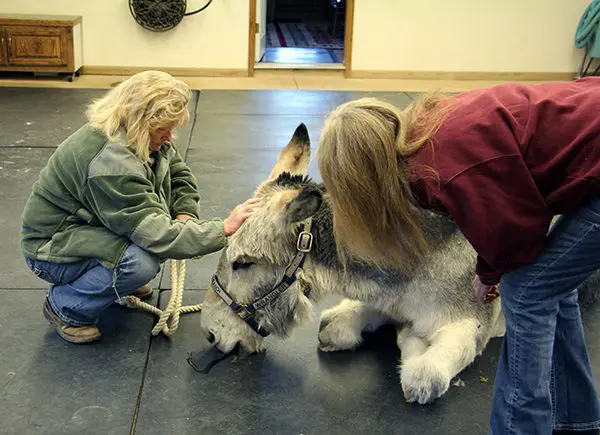
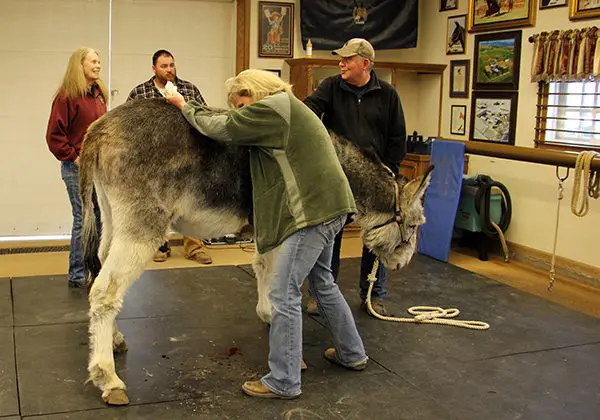


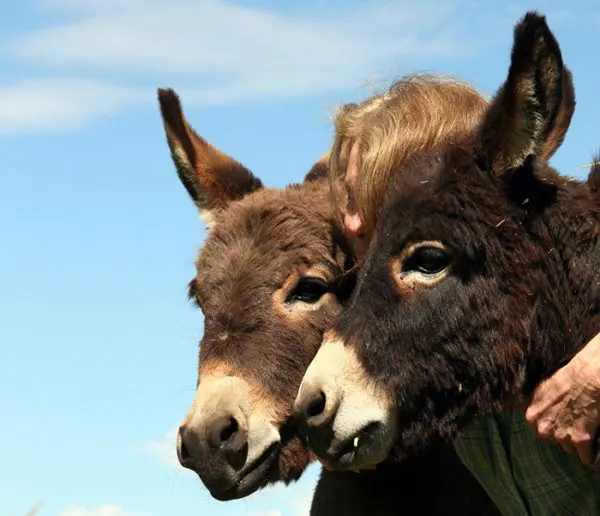


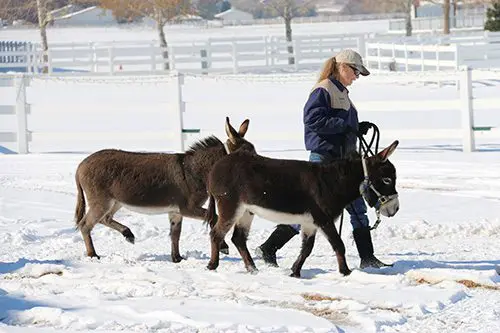
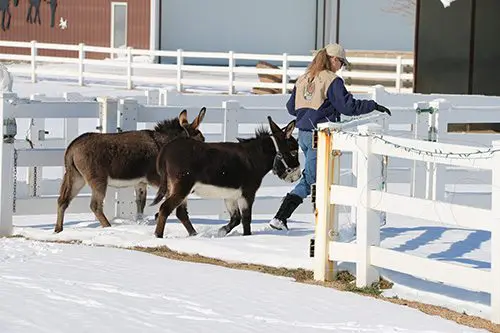


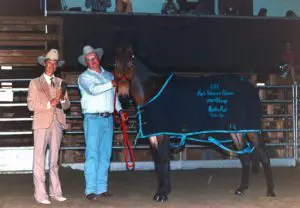 Being asked to judge a show is both an honor and a tremendous responsibility. Just being asked to judge indicates that you have a reputation for being a knowledgeable and respected person in your field of expertise. Accepting the invitation to judge means that you are willing to share this knowledge and expertise with people who may, or may not, accept IT or you! Exhibitors can say that each show reflects only one “man’s” (judge’s) opinion, so not to worry if you don’t do well. As an exhibitor and a judge, this bothers me a little.
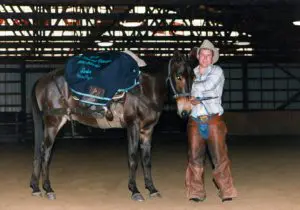 he exhibitors and not by the personal opinions of the judge. The judge should be a catalyst toward better learning and performance. He or she should try to make their knowledge readily available to inquiring exhibitors and be diplomatic enough about its delivery to inspire and encourage exhibitors to improve their skills. In turn, the exhibitors will be better equipped to exhibit their animals in a favorable light to the public at large and to grow into knowledgeable experts themselves with time and experience.
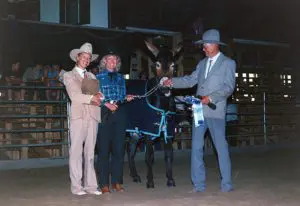 objective in his decisions and be able to back them up with reasonable and knowledgeable explanations that will inspire exhibitors to work harder and learn more. He should have a congenial attitude that invites exhibitors to question and learn freely without intimidation.
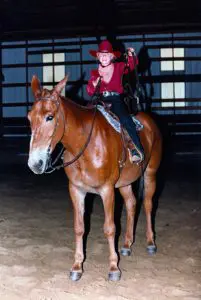 credence to his final decisions. In my opinion, judges should assist in helping exhibitors realize their full potential by helping them to improve their skills through fair, just, and educated decisions. A good judge needs to serve the idea of better learning for the sake of health, wealth, happiness, and above all, safety! A judge can be the catalyst toward learning and self-satisfaction, or he can be the catalyst toward defeat and discouragement. I prefer to be the former, encouraging exhibitors to come to me with their questions and also encouraging them to learn from each other. In our Longears industry, the ideal scenario would be to have exhibitors work at home and with each other perfecting their Mulemanship skills, bring those exhibitions of skills to a show to be judged, then return home with a feeling of accomplishment and more things to work on until the next show and the next judge. To perpetuate the learning process and to continue to learn and improve himself should be a judge’s main objective.
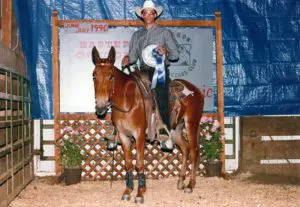 the mules and donkeys reflected this exceptional conditioning, care and handling. The show itself was obviously handled carefully and with attention to detail, leaving little margin for error or dispute. It is not really too surprising that a group such as this was able to elicit tremendous support from sponsors in their area. Their hard work and hospitality is to be appreciated and congratulated. It said a lot for the kind of people that we have in our industry – that we can all have a good time learning and showing together with our marvelous Longears, amateurs and professionals, exhibitors and judges alike! The whole idea is that each and every one of us has something to offer and something we can learn. To attend a show and to learn something new is to return home renewed and fulfilled, even though you haven’t won. To win without this mutual admiration, goodwill and learning is just another hollow victory!
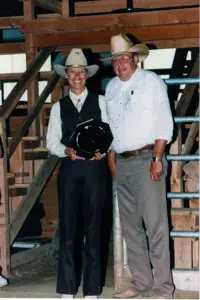 Everyone learned something at the Oregon Mr. Longears Mule Skinner Classic, including the judge! Dick and Debbie Cress and Alan and Elaine Case are to be heartily congratulated for their exceptional efforts in putting on a successful show and for taking wonderful care of this judge! Thank you to all of you who gave your time and efforts to work on the show and make it run as smoothly as it did! Thank you Larry and Fran Howe for coming with me from Colorado to help judge the packing classes and for helping to Ring Steward and to Gary Hodges for his fine photography! My deepest congratulations go to all the exhibitors for a superb effort. Keep up the good work! Thanks to our announcer Roger Harrison. And a very special congratulations to all of our Mule Skinner Classic Champions!
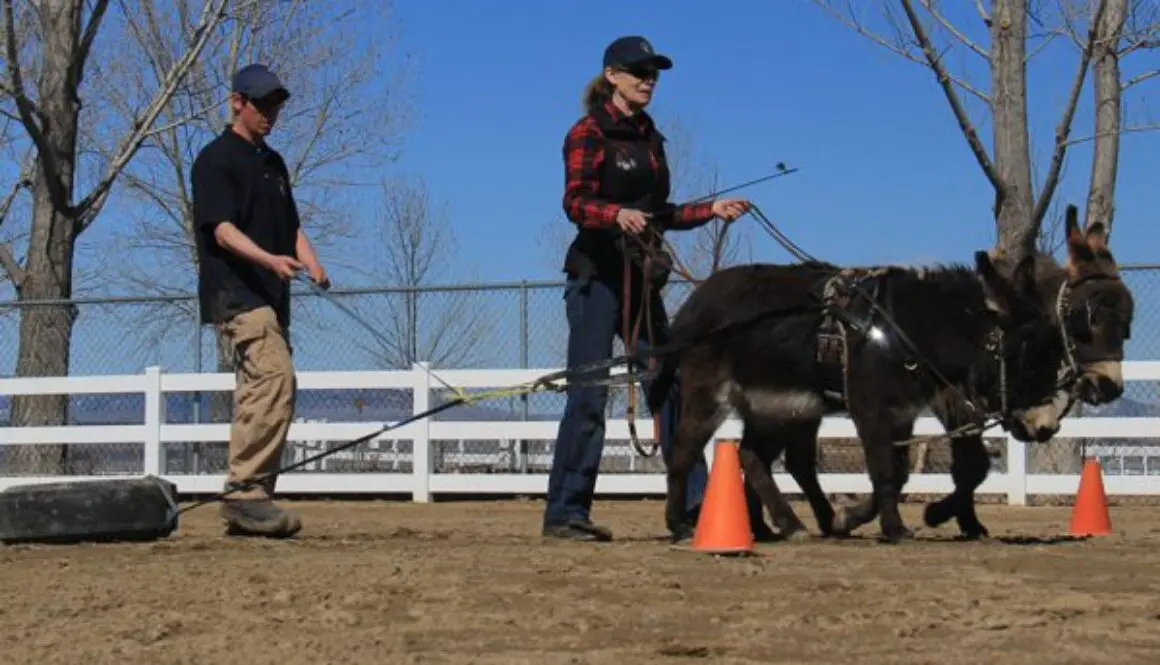


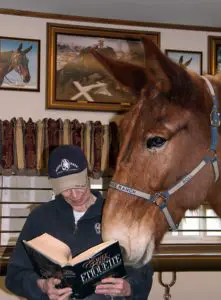
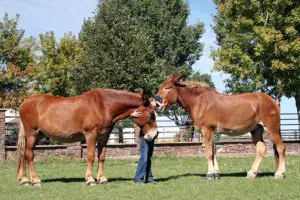 When I was growing up, my grandmother constantly reminded me of the importance of good manners. She would say, “You will never get anywhere of any consequence in this world without good manners!” And she would add, “Without good posture and proper dress, you won’t live long enough to enjoy it!” She made me read Emily Post’s Book of Etiquette from cover to cover. In retrospect, although reading the entire book was a real chore, the respect for good manners that she passed on to me has been an extremely valuable gem in my training experience with equines.
 I think that the concept of combining equine training techniques with lessons in good manners is one that many people do not pay as much attention to these days as they probably should. Putting an equine in good posture with respect to his physical comfort is the most obvious form of good manners when communicating with your equine. When you apply the elements of good manners during the training process, you facilitate body and verbal language that equines really appreciate, and when you apply your own good manners and teach good manners to your equine from the very beginning of the training process, you can continue to move forward much more easily than if you do not incorporate good manners between you and your equine. When you run into resistance from your equine, take it as a red flag that you’re missing something in your communication with your animal and change your approach.
 If your equine spends most of his time in the pasture, the good manners of promptness and reliability on your part are critical, as it is the only time you will have during the day to really spend time with him, and he’ll count on you to show up on time each day. What you’ll get out of being prompt at feeding times is a self-discipline that will carry over into everything that you do and will determine whether or not you are a reliable partner in the relationship with your equine. When you feed the oats mixture at night and none in the morning, it gives your equine a reason to come to you after breakfast when you offer oats to catch him, and gives him a reason to come back in off the pasture after being turned out for only a short time in the spring when pasture time needs to be limited. Doing something when it is convenient rather than considering the equine’s need for reliability in the trainer is a recipe for chaos and causes anxiety in both the equine and the trainer. However, having a predictable structure to your routine will allow both you and your equine to remain calm and clear in your communication with each other.
 If you want your equine to come to you, rather than chasing him, simply stand at the gate or doorway and ask him to come to you, offering the oats reward when he does. If you are kind, patient and consistent, he will most likely always oblige you.
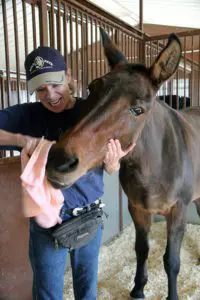 the others for standing back after you have rewarded the one you want for allowing you to halter him. This will also avoid anxiety in the one you are haltering, because he knows you will protect him and wave back the others who might otherwise crowd him or kick at him. The ones you wave back will learn that if they comply, a reward is coming.
 Being in good posture feels good to all of us and allows all the organs in the body to work correctly. When one is comfortable and amply prepared for physical activity, it is always more enjoyable. This is no different for equines. When you don’t consistently pay attention to your own good posture, neither will your equine pay attention to his. His movements will tend to be difficult and unpleasant, and the relationship between the two of you may begin to erode. But when your equine is encouraged to be in good posture during training, it feels good to him and, over time, will become his normal way of moving and resting. He will also be grateful for your kindness and consideration, and he will look forward to the activities he gets to do and the time he spends with you. When you pay attention to your own good posture right from the beginning of leading training and every time you work with your equine, he will be able to mirror your good posture. The result will be his own good posture, which will result in more comfort for him.
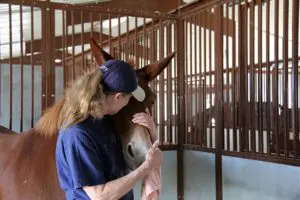 There will be times when it is necessary to employ negative reinforcement to stop bad behaviors that can escalate and become truly dangerous behaviors before they become persistent and uncontrollable. These corrections, which are covered in DVD #2 of my