34 Wild Horses Produce 132 Foals in One Year?
Bureau of Land Management Again Releases Fraudulent Population Statistics for Wild Horses and Burros Without Using Science or Evidence and the U.S. Office of the Inspector General Refuses to Investigate.

Bureau of Land Management Again Releases Fraudulent Population Statistics for Wild Horses and Burros Without Using Science or Evidence and the U.S. Office of the Inspector General Refuses to Investigate.
The following is from Chilly Pepper – Miracle Mustang:
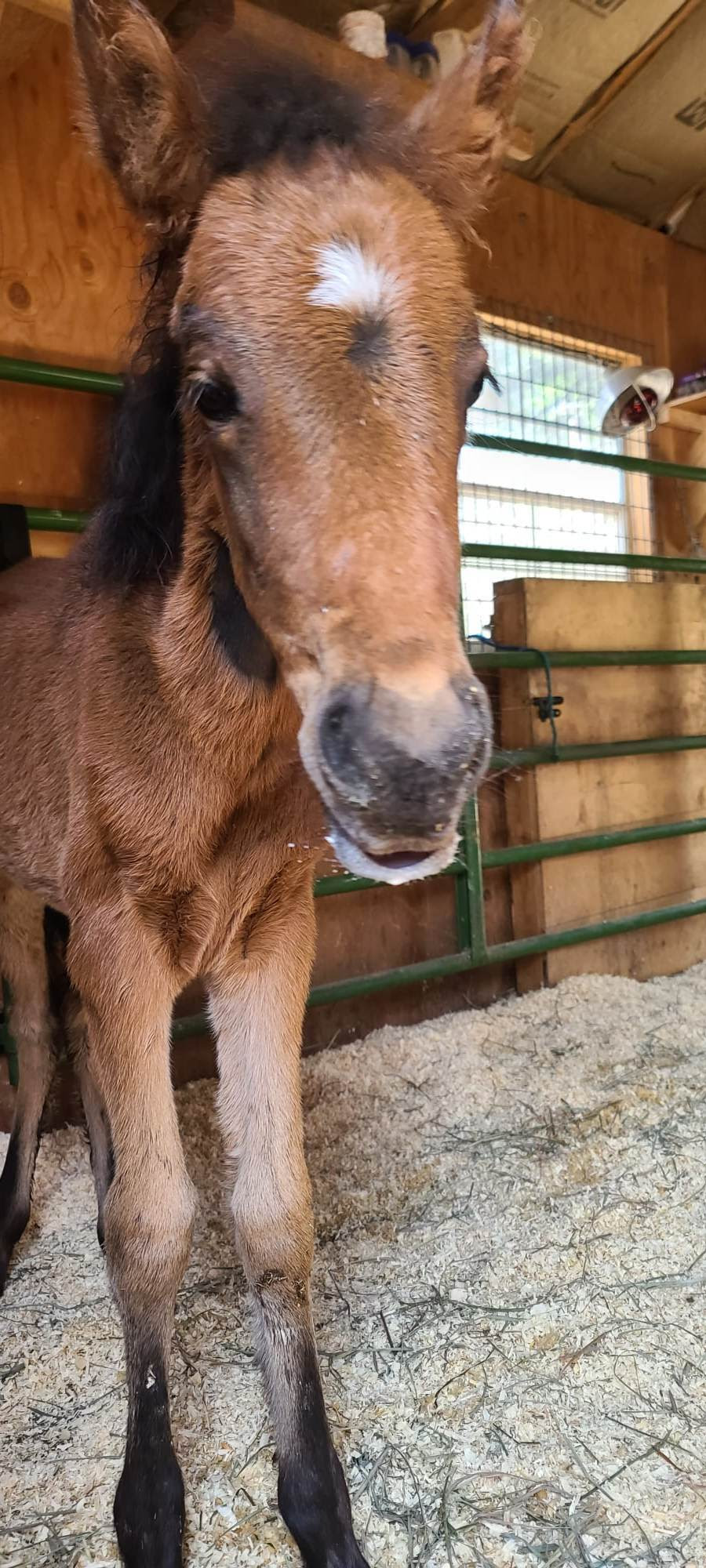
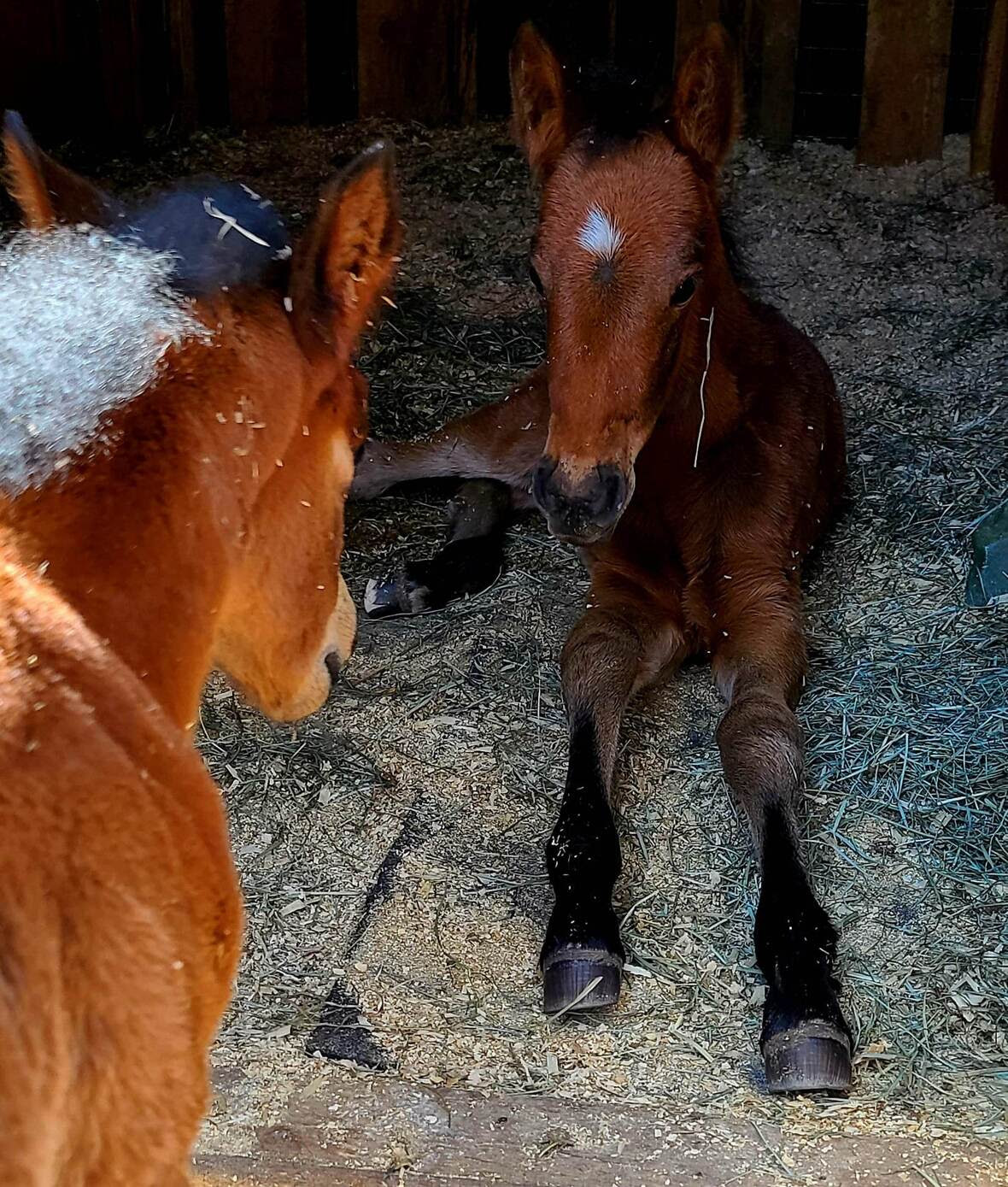
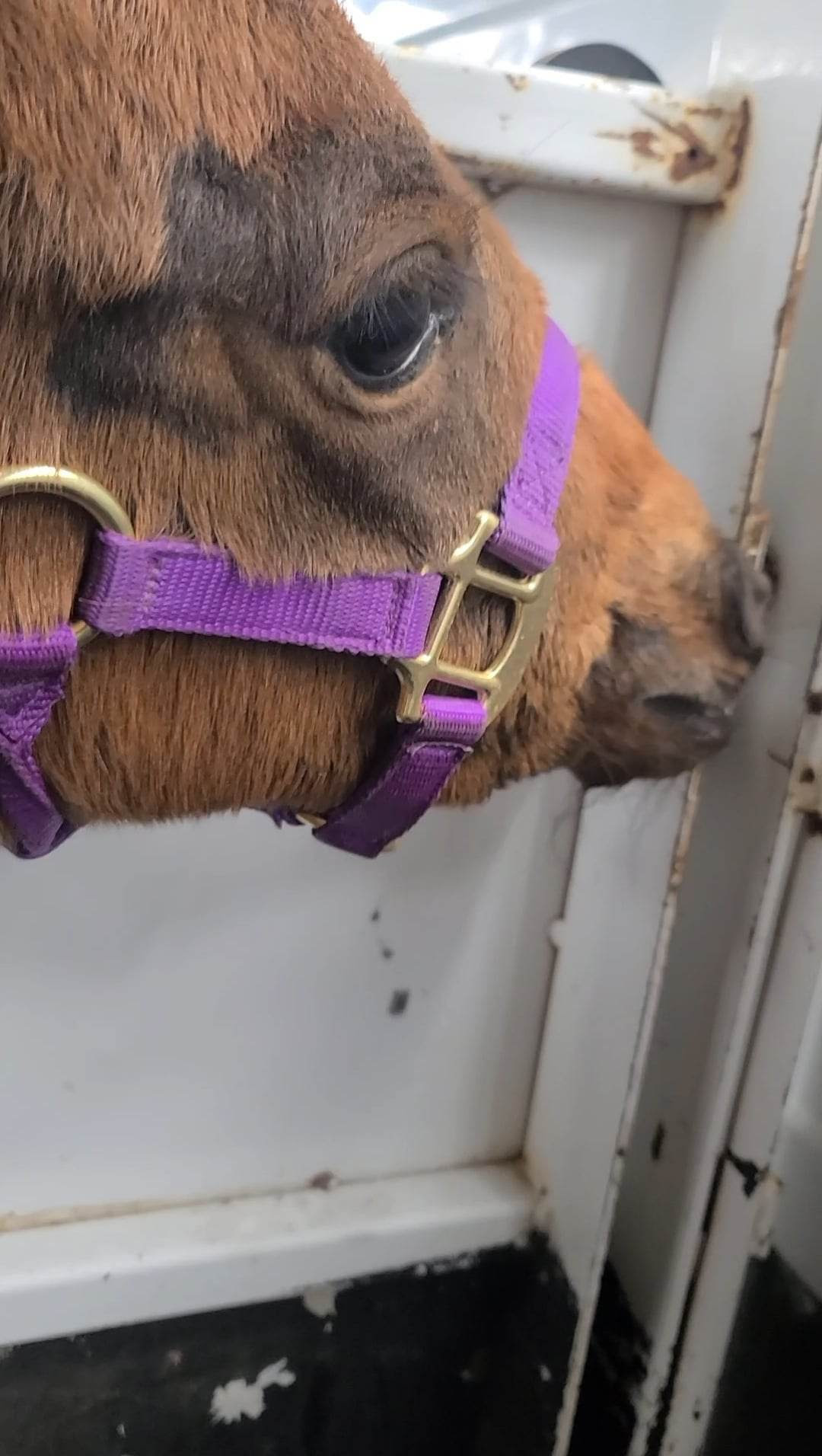 RIP my beautiful Angel.
I can’t even breathe as I write this. Tika crashed this morning.
Our beautiful filly was drowning and needed to leave this world asap. I promised her I would fight until she was done, and today was that day.
Tika was not a baby yanked off the range and stolen from her Mom for fun.
Sadly her band knew exactly what they were doing when they left her to die.
She fought so hard to stay here, and was the biggest love bug ever. But this morning she hit the point where she was in pain and had no quality of life.
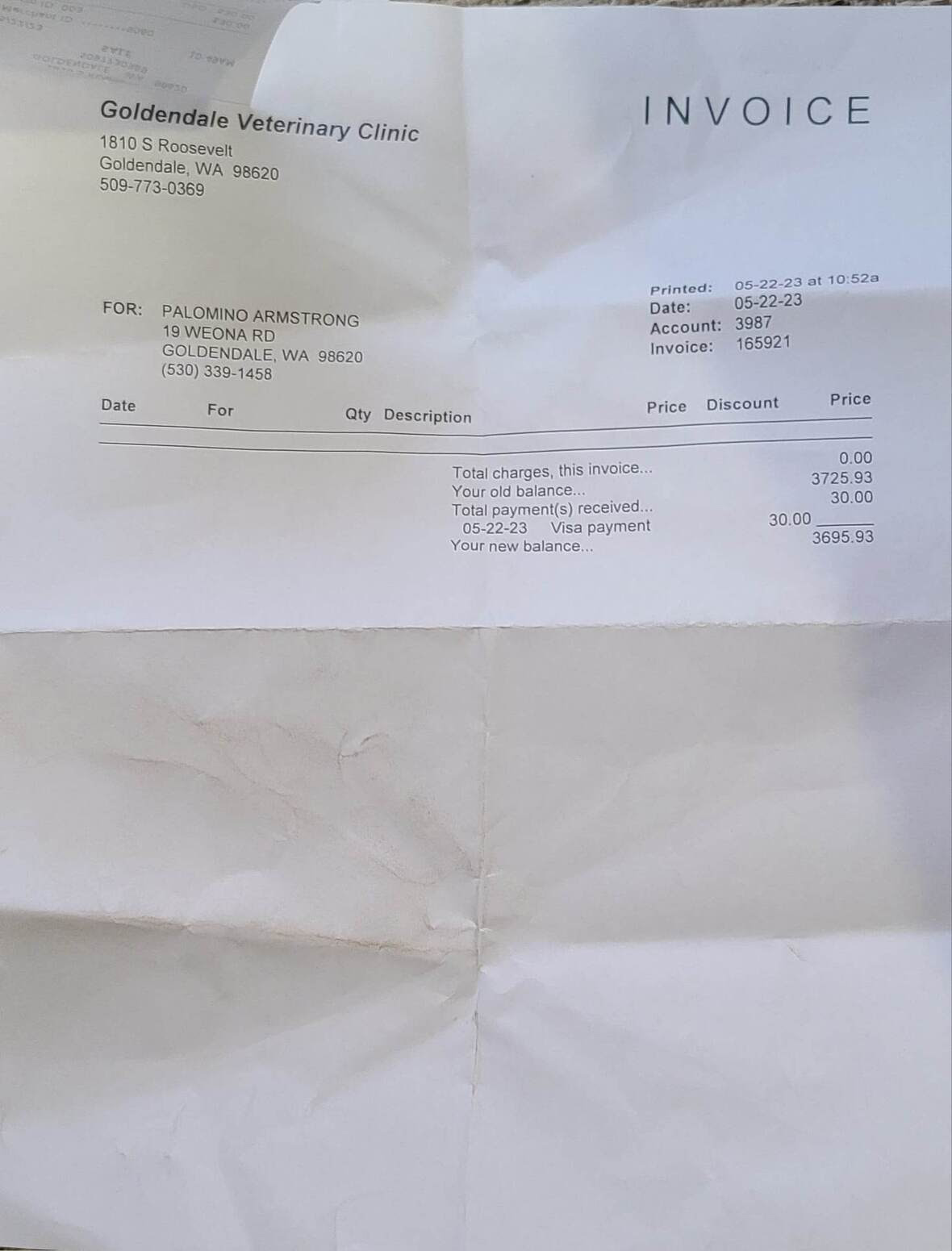
NOW her little body is in my trailer. Our vet bill is $3695 BEFORE her emergency visit on Mothers Day, all the meds and now today’s urgent visit.
I need to reduce the vet bill so she can be buried on a beautiful ranch. The other option is landfill, and I don’t think I can do that.
Doc’s number is 509-773-0369 if you want to help with her burial fees.
I told Doc I would let her know by tonight if we can give her the burial she deserves. I KNOW she is not there, but that is the little body I cuddled with, the little mouth that constantly kissed, nuzzled and chewed on me and those beautiful eyes that spoke so deeply.
I can’t think and I hope this makes sense. Thank you for helping me keep her out of the garbage dump.
She does NOT deserve that.
THANK YOU, ALL OF YOU, FOR BEING SO AMAZING FOR THESE PRECIOUS SOULS! YOU are the reason so many lives are saved!
I will keep fighting the good fight as long as I can afford to. I so appreciate all of you and so do the critters.
If you want to help with the Vet Bill, call Goldendale Veterinary at 509-773-0369.
I appreciate every single one of our Chilly Pepper Family. God has truly blessed this rescue!
Have a safe, blessed and life saving 2023!
IF YOU WOULD LIKE TO KEEP HELPING US SAVE MORE LIVES, YOU CAN GO TO:
-<You can go to gofundme<-
You can go to Paypal<-
PLEASE NOTE – Paypal shows Wild Horses in Need, as we are dba- Chilly Pepper
if you would like to help these horses.
->You can donate via check at: (PLEASE NOTE NEW PO BOX #)
Chilly Pepper – Miracle Mustang,
PO Box # 233
Golconda, NV 89414
You can also donate via credit card by calling Palomino at 530-339-1458.
NO MATTER HOW BIG OR HOW SMALL – WE SAVE THEM ALL!
SAVING GOD’S CRITTERS – FOUR FEET AT A TIME
Chilly Pepper – Miracle Mustang, WIN Project – Rescue & Rehab
We are now part of the WIN Organization
WIN (WILD HORSES IN NEED) is a 501c3 IRS EIN 55-0882407_
If there are ever funds left over from the cost of the rescue itself, the monies are used to feed, vet, care for and provide shelter and proper fencing for the animals once they are saved.

The following is from the American Horse Council:
Contact Your Member(s) of Congress to Join the House Congressional Horse Caucus
To: State Horse Councils
From: American Horse Council
Date: November 30, 2021
Re: House Congressional Horse Caucus
Tell Your Member(s) of Congress to Renew or Join the House Congressional House Caucus
We urge your continued support of the horse industry in public policy on Capitol Hill by contacting your respective Member(s) of Congress in the U.S. House of Representatives to either renew their commitment/membership in the House Congressional Horse Caucus, or by joining the House Congressional Horse Caucus (if your Member(s) of Congress are not currently a member).
Education of any industry on Capitol Hill is the key to success in public policy, and Members of Congress have committed their support of the horse industry through education, with the formation of the House Congressional Horse Caucus. A Congressional Caucus is an excellent, yet critical vehicle on Capitol Hill for information dissemination, education, and relationship building by directly joining an industry with Congress.
The horse industry has a wonderful story to tell in terms of its positive economic impact on local, state, and national economies, job creation, equine therapy, equine rescue & sanctuaries, the racing sector, and land management. Lawmakers are eager to understand more about the industry and its benefits, and it is important that they receive responsible, comprehensive information in order to make decision impacting the horse industry.
The American Horse Council has made it easy to contact your respective Member(s) of Congress through our automated system to urge their support for the House Congressional Horse Caucus. Take a few minutes and –
Click the blue “Take Action” button below
– Review the Congressional letter template (no need to edit)
– Fill out your information
– Click send
Our automated system will attach your name onto the letter and send (email) the letter to your respective Member(s) of Congress…it’s that easy!
Please contact us at the American Horse Council (website –www.horsecouncil.org, email – info@horsecouncil.org, phone – 202.296.4031), if you have any questions or need assistance.
Thank you for your support and continued leadership.
Julie Broadway
Julie M. Broadway, CAE®
President – American Horse Council & American Horse Council Foundation
1616 H Street NW, 7th Floor Washington DC 20006
AHC general line: 202-296-4031
Direct line: 202-846-1724
About the Congressional Horse Caucus
The Congressional Horse Caucus (Co-Chaired by Congressmen Andy Barr (R-KY) and Paul Tonko (D-NY), is a bipartisan group of Members of the House of Representatives formed to educate Congress and their staffs about the importance of the horse industry in the economic, agricultural, sporting, gaming and recreational life of the nation.

The following is from the American Horse Council:
AHC Annual Congressional Fly-In October 28th – Highlights & Recap
Thank you to all our participants and speakers.
Barr Leads the Charge on Legislation to Spur Investment in Equine Industry
Washington, D.C.— U.S. Congressman Andy Barr (KY-06) reintroduced legislation to incentivize investment in Kentucky’s signature equine industry. The Equine Tax Fairness Act would make the three-year depreciation schedule permanent for racehorses, regardless of their age when put into service. Currently, Congress must reauthorize this provision in the tax law on an annual basis.
Additionally, this legislation would reduce the holding period for equine assets to be considered long term capital gains, putting them on a level playing field with other similar assets. Congressman Barr’s bill is endorsed by the National Thoroughbred Racing Association (NTRA), the Kentucky Thoroughbred Association, the Jockey Club, the Thoroughbred Owners and Breeders Association, Keeneland, and the American Horse Council.
AHC welcomes new Government Affairs Liaison – Mark Riso
AHC President, Julie Broadway, is pleased to announce the addition of Mark Riso to the AHC Team effective November 15th.
Mark is a public policy professional and national lobbyist, with over three decades of public policy – advocacy experience on Capitol Hill in Washington, D.C. – with an expertise in the legislative, regulatory, and political processes. Mark served as Legislative Director to two senior Members of Congress and as a professional staff member on the Subcommittee on Oversight and Investigations (U.S. House of Representatives, House Banking Committee). Following his work on Capitol Hill, Mark has served as a senior lobbyist for past twenty-five years for industry associations, and passionate about advocacy.
Horse Week Re-Releases Available
“Just like your passion for horses never fades, neither does Horse Week’s brilliant video content. That’s why The Equine Network is re-releasing your favorite Horse Week classics each week from now until Christmas!
The Horse Week re-releases will be streamed each Tuesday night, at 7pm ET. Head on over to horseweek.tv for a full video lineup. Tune in from the barn, office or comfort of your couch—Horse Week videos can be watched on any smart device by visiting horseweek.tv or the Equine Network YouTube channel. Once a video has been released, you will have until the week of Christmas to watch it as many times as you like for FREE!
Climate Change & the Equine Industry
Cliff Williamson, Director Health & Regulatory Affairs
Weather has always been an important variable to the operations of the horse industry, regardless of breed or activity. But the horse industry is facing new and unique challenges in the form of unpredictable climate. Whether it is “climate change” in the fundamental sense caused by an increase in greenhouse gasses or simply a temporary shifting of weather patterns can be left to the scientists and politicians to debate. But it is hard to disagree with the idea that “something is happening” with weather wherever you live. Most climate scientists believe that fundamental changes in weather may be the new norm. Like all industries, the horse industry should be alert to potential changes and their harmful ramifications. It may be that these changes are beyond our control, but that doesn’t mean they can’t be considered and prepared for.
Climate change is generally associated with drought, higher temperatures, swings in heat and cold, changes in rainfall, increases in extreme weather events, like hurricanes, tornadoes, and flooding, and stronger and more frequent storms. These changes have the potential to influence how the horse industry operates day-to-day. Such changes can also have broader effects, such as a rise in invasive species, the movement of ticks and mosquitoes, the costs of feed and hay, and increasingly intense wildfires.
Persistent drought conditions in California have created annual wildfire situations that have not only posed a real threat to local citizens and their horses, but have also impacted air quality, event space availability and forage production resulting in cascading negative impacts for the region. The hurricanes that were once considered once in a lifetime events now occur with such consistancy that traditional naming practices had to be revisited. Particularly in the last decade, the number of significant climate events that have affected the equine industry has increased to such a degree that scores of organizations have felt the need to publish materials concerning the avoidance of, preparation for, and response to wildfires, blizzards, flooding, drought, extreme heat and extreme cold.
The equine industry serves as a critical player in the preservation and protection of green space in urban, suburban and rural areas. More than 80 million acres of open space is preserved for equestrian use according to the 2017 AHC Foundation Economic Impact Study. These spaces are capable of facilitating positive environmental efforts in their respective communities, as long as they are allowed to remain in place. Because of the unique methods in which horses are cared for in comparison to other livestock species, our impacts on water, air and soil quality are generally minimal, if not mitigated completely.
The equine industry not only needs to continue to be good stewards, it also needs to be proactive and prepare. The AHC recently offered a webinar on eco-friendly equestrian facility designs (see our website for that recording). We also are working to seek avenues for climate smart solutions to help our 80 million acres of equestrian lands in the US. As part of that effort, the AHC is encouraging the USDA to include the equine industry in their discussions with farmers, ranchers and rural communities so that together we can develop innovative climate-smart practices.
Tax Consideration for Charitable Contributions in Equine Industry
If a horse or other property is given as a charitable contribution, the donor may generally deduct the fair market value of the property. However, when property given to a charity would result in ordinary income to the donor if the property had been sold instead, the amount of the gift must be reduced by the amount of the ordinary income that would have been reported by the donor had the property been sold instead of donated. Also, if a horse that is eligible for capital gain treatment has been depreciated and is then donated to the charity, the amount of the gift is the value of the horse reduced by the amount of depreciation recapture. The deduction amount must also be reduced if gifted tangible personal property does not in some way relate to the purposes that give rise to the charity’s tax exemption
To read more go to : Tax Bulletins For Members – American Horse Council
United Horse Coalition (UHC), A Home For Every Horse (AHFEH) &
Purina mail out Fall 2021 Feed Coupons
We are delighted to announce that the fall mailing of feed coupons were shipped Tuesday, October 26th to hundreds of deserving rescues across the US, reported Carly Barrick, AHFEH Program Coordinator. “Thank you for the hard work you do for these deserving animals! ”
The United Horse Coalition is a proud partner with AHFEH and Purina to make this happen!
P.S. We love when you tag us in your posts so we can stay up to date on your hard work and successes. Remember to follow and tag @ahomeforeveryhorse on Instagram and Facebook!
CARLY BARRICK
Tier Program Coordinator | Equine Network
A Home For Every Horse Manager | AHFEH
New Email: cbarrick@equinenetwork.com
The following is from the Colorado Horse Council:
Help Rebuild, Design and Educate
2022 Expo
Get involved and support the equine community!
Call for Presenters September 30, 2019 – Deadline
Early Registrations helps scheduling assignments
Submit Abstracts Early!
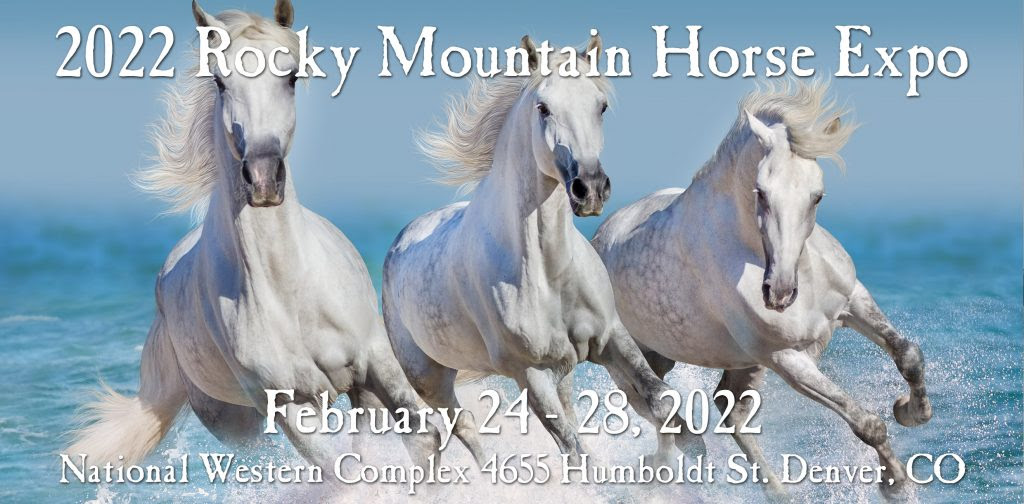
2022 RMHE Clinicians – Call for Abstracts
The Colorado Horse Council is currently accepting clinician abstracts for those wanting an opportunity to present during the
2022 Rocky Mountain Horse Expo.
These forms are required to schedule all clinics, workshops, events and gatherings during the show.
SUBMISSION DEADLINE: September 30. 2021
Mark your calendar for next year’s Expo on
February 24-28, 2022
at the National Western Stock Show Complex.
All abstracts need to be submitted online at the
Rocky Mountain Horse Expo Website
Submit your abstract early to help with schedule assignments.
Online Clinician/Event Entry Form
Executive Director Message
Bill Scebbi,CEO/Executive Director
We are very excited about the planning phase of Expo 2022. It provides us with a great opportunity to support of Colorado equine community as well as introduce others about the greatest human animal bond know to man.
Expo 2022 will be the first Expo managed as an event by the newly formed foundation, The Equine Heritage Foundation. This is the educational organizations that :
Promotes the Heritage of the Horse
Protects the Heritage of the Horse
Develops the Future Heritage of the Horse
Your support of this organization is extremely important to all involved or wanting to become involved in the the equine industry
It has been a tough time for everyone and the work of our equine associations is important. We ask that this year, especially, you become involved, support and promote our work . We are here serving all equine enthusiasts!
Working Together Better Than Ever
Foundation Donation are Always WelcomedClick here
Special Notice
With the large request for time slots during the
Rocky Mountain Horse Expo, it is important that there is ample planning and scheduling of events and gatherings.
Please consider the following when planning your Expo experience
By submitting abstract forms allows for the Expo management to organize, plan and implement you activity appropriately. The information submitted on the forms automatically enters your request into a database. This will assist us in securing your information in one scheduling platform
For more information, please do not hesitate to contact the show manager.
Thank you,
RMHE Manager
Mid-Year Membership Renewal/New Membership Offer
Responsible Horse Owners are Members of the
Colorado Horse Council
It’s not too late to renew your CHC membership this year!
Renew today to benefit from exclusive member opportunities, services and discounts for the rest of the year.
Here are a few ways that your membership makes a difference:
-Membership fees help pay lobbyists to promote equine interests at
the State Capitol
-Allows you to make informed decisions with legislative updates
about the equine industry
Here are a few ways your membership directly benefits you:
-$1 million worth of excess liability insurance for equine activities
(Insurance benefits for 2021 end December 31, 2021)
-2 Rocky Mountain Horse Expo Grounds Admissions tickets
-A business listing in the CHC member directory
-Discounts and member rates with associated equine companies
-Access to member mailing lists/directories/newsletters/email bulletins
Renew your CHC membership at Renew here
Become a new CHC member at Join here
The following is from the Colorado Horse Council:
Norm Brown Lifetime Achievement Recipient
Passed Away – June 14th, 2021

“Norm Brown made great contributions to the equine community in our state. His enthusiasm, dedication and support of the work of the Colorado Horse Council is well documented and appreciated. His leadership moved our organization into a leadership role throughout the country!”
CEO/Executive Director, Bill Scebbi.
North Forty News, Wellington: Norman (Norm) Edward Brown passed away on June 14, 2021, at the age of 89. He was born to Charles E. and Ethel Mae Brown in Conklin, New York on February 8, 1932. Two years later, his family moved to Brown family farm along the banks of Williams Pond in Montrose, PA. The farm has been owned by the Brown family since 1860.Norm and his dad farmed with horses and milked cows by hand. Norm attended a one-room 8 grade country school across the pond from his house. During winters, he would skate to school after ice covered the pond, and at lunchtime, the kids would climb the hill outside the school and sled back to school.
Norm attended high school in Montrose. PA. After high school graduation, Norm received a Senatorial Scholarship to Penn State. He enrolled in Air Force ROTC program, and while at Penn State, Norm received a varsity letter as First Assistant Basketball Manager.
After receiving his BS in Dairy Husbandry in 1954, Norm was commissioned as Second Lieutenant in the Air Force. He was stationed in Florida. After 2 years, he was offered relief from active duty as there was “no conflict”. He continued in the Air Force Reserves until 1976 receiving an honorable discharge as a major.
Upon completion of his active duty, Norm became an Extension Agent in Clearfield County, PA. After 6 years, Norm went to Colorado where he received his M. Ed. in Extension Education and got married. Norm and Donna moved back to Clearfield County where they had 2 children, Russell and Trisha. Later, Norm was offered a position in Jefferson County.
In addition to his work as a county agent, Norm was the horse show announcer at the Keystone International from 1969- 1973. He announced the horse pulling contest at PA State Farm Show 73-74.
Later, Norm and his family moved to Wellington, Colorado where they helped Donna’s mother (Marie) run her farm. They took over all farm operations after Marie’s death in 1999.
Norm continued to work as a county agent, this time in Adams and Larimer counties. Eventually, he became County Extension Director in Adams County, a post that he held for 6 years before his retirement in 1987. His career in extension was distinguished with numerous awards including the Distinguished Service from the National County Agents Association.
After his retirement, Norm worked as an agricultural consultant. His biggest client was Rabobank. He also took the lead role in running the farm in Wellington which he continued to do up until his death.
While in Pennsylvania, Norm and Donna bred their two Arabian mares and they continued to breed Arabians in Colorado. Norm and Donna were the first husband and wife team to be presidents of The Colorado Arabian Club (Norm in 1977 and Donna 1981-83). Norm primarily showed Arabians at halter, and in 1975, he showed Marie’s Arabian mare to a Top Five at the Arabian Region 8 Championships. In 2011, Norm completed a Century Club Ride on Trisha’s Arabian gelding Amie Phoenix+. This enabled him to be the 88th horse and rider team to join this prestigious list (where the age of horse and rider total at least 100 years).
Norm was also active in the Colorado Horse Council (CHC), a founding member of the Rocky Mountain Horse Expo, an original board member of the Colorado Horse Development Authority, and on the management team of the Western National 4H Horse Classic. While Norma was a leader in CHC, the state legislature passed the Equine Liability law and Hold Your Next Horse Show in Colorado (the first guide of horse show facilities in the state) was published. These and other achievements led to Norm being named the Colorado Horse Person of the Year (1995) and Lifetime Achievement award in 2013.
After Norm’s parents passed away, he inherited the family farm in Montrose, PA. Russ now owns the farm, continuing the 160-year-old family ownership.
Norm was well-known as an avid Penn State sports fan, and he perfected his trademark technique of yelling at the TV ensuring his part to ensure a Penn State victory. His love of sports permeated his life, from swimming and diving in Williams Pond as a child and teen, trying out for the New York Yankees as a young adult, surfing the Atlantic while in the Air Force, to running 5K races with his daughter in his mid-50’s. Later in life, he enjoyed attending collegiate wrestling matches with Russ, basketball and volleyball games with Donna, and bluegrass concerts with Trish. He was also well-known for his skills of irrigating, tractor driving, and being a beer aficionado.
Norm is survived by his loving wife Donna; his two children Russ (Jackie Meier) and Trisha who were the apples of his eyes; his sister-in-law Jeannette (Nico Bink) as well as countless people to whom he was a mentor and second father. He was proceeded in death by his parents Charlie and Ethel; his brother Kenneth; and his daughter-in-law Aadria.
In lieu of flowers or donations, the family would appreciate your support of the Norman and Donna Brown Mountain View Arabians Scholarship in the College of Agricultural Sciences at Penn State. Gifts may be written out to “Penn State University” with “Norm Brown scholarship” in the memo and mailed to: College of Agricultural Sciences, 240 Ag Administration Bldg., University Park, PA 16802.
The following is from the Colorado Horse Council:
Coalition of State Horse Councils
Annual Summer Meeting
Tuesday, June 15, 2021 1PM Eastern Time
Good Afternoon Everyone,
I hope this email find you all well!
Please find attached the Agenda for our Coalition of State Horse Councils meeting next week, Tuesday June 15, 2021, 1PM (Eastern Time). This meeting is in conjunction with the 2021 AHC Conference, which is virtual as well. There are great presentations and wonderful opportunities for you to learn about our equine industry. Again we encourage your to take advantage of these presentations and REGISTER.
This June meeting of the Coalition is a Zoom Meeting and you may login without attending the entire AHC Conference. Please find our agenda below. Your input at this meeting is very important to our growth and development and suggest that you invite others from your state organization to attend, especially if your cannot attend. Please forward this invitation to anyone you think can be helpful for input.
I look forward to being with you. After this our uncertain times and we are excited to continue with the building our Coalition of State Horse Councils!
Best Regards, Bill Scebbi, CSHC Chair
Here is the Invitation:
Bill Scebbi is inviting you to a scheduled Zoom meeting.
Topic: The Coalition of State Horse Councils – Tuesday, June 15th, In Conjunction with 2021 AHC Conference.
Time: Jun 15, 2021 01:00 PM Eastern Time (US and Canada)
Join Zoom Meeting
https://us02web.zoom.us/j/6481411928
Meeting ID: 648 141 1928
One tap mobile
+13462487799,,6481411928# US (Houston)
+16699006833,,6481411928# US (San Jose)
Dial by your location
+1 346 248 7799 US (Houston)
+1 669 900 6833 US (San Jose)
+1 253 215 8782 US (Tacoma)
+1 312 626 6799 US (Chicago)
+1 929 205 6099 US (New York)
+1 301 715 8592 US (Washington DC)
Meeting ID: 648 141 1928
Find your local number: https://us02web.zoom.us/u/kVvVASPRK
Here is the Agenda
COALITION OF STATE HORSE COUNCILS
June 15, 2021
1:00PM (Eastern Time)
Zoom Virtual Meeting
Topics Subject to Change
Call to Order – Chair, Bill Scebbi
Secretary’s Report – Minutes – Prepared by Sue Gray
Financial Report –Tom Tweeten, Financial Liaison
State Updates – Tom Tweeten – Brief update from each State Representative (3 min report)
Presentation: The Coalition Website, Bill Scebbi will lead the review of the Coalition of State Horse Councils new website, the various areas that will help with communication, calendars and other options for the state’s use.
Round Table Discussion:
Old Business
New Business
Meeting Adjourned
For more information
The following is from the American Horse Council:
As you might recall, in early 2017, the outgoing Obama Administration issued a final USDA rule on the Horse Protection Act (HPA) to end the practice of “soring” of a horse’s limb. This rule mirrors the industry-endorsed “Prevent All Soring Tactics” (PAST) Act by taking common sense measures to protect certain Tennessee Walking Horses and Racking Horses from the practice. Unfortunately, the Trump Administration suspended the HPA rule four years ago and never reinstated it.
The horse industry and its allies in Congress are currently lobbying the new Administration to bring the HPA rule back, by circulating a petition to USDA. Contact your senators today and urge them to sign the petition below and reinstate the Horse Protection Rule of 2017!
The following is from the American Horse Council:
American Horse Council Action Alert
House “Sign-On” Letter to USDA
Supporting Horse Protection
As you might recall, in early 2017, the outgoing Obama Administration issued a final USDA rule on the Horse Protection Act (HPA) to end the practice of “soring” of a horse’s limb. This rule mirrors the industry-endorsed “Prevent All Soring Tactics” (PAST) Act by taking common sense measures to protect certain Tennessee Walking Horses and Racking Horses from the practice. Unfortunately, the Trump Administration suspended the HPA rule four years ago and never reinstated it.
The horse industry and its allies in Congress are currently lobbying the new Administration to bring the HPA rule back, by circulating a “Dear Colleague” sign-on letter, and petition to USDA. Contact your House lawmaker today and urge him or her to sign the congressional letter and petition below and reinstate the Horse Protection Rule of 2017!
The following is from the American Horse Council:
American Horse Council Action Alert
Congress Considers FY21 Spending Bill, Must Adopt House EAT Provision
As Congress convenes the “lame duck” session following the election, lawmakers will consider federal spending bills for Fiscal Year (FY) 2021, including funds for the Department of Veterans Affairs (VA) and other agencies. As you recall, in late July, Rep. Andy Barr (R-KY) inserted an amendment in the House version of the FY2021 spending bill for VA that would allocate $5 million dollars for Equine Assisted Therapy (EAT) programs within the Adaptive Sports Program at VA. If enacted into final law, this would more than double the resources for EAT allocated within the context of past spending bills.
Because the Senate version of the VA spending bill does not include an equivalent provision for EAT, lawmakers must adopt the House version in the final spending package. Contact your senators today, and urge them to adopt the House provision of the FY 2021 spending bill for VA which supports EAT for U.S. veterans.
The following is from the American Horse Council:
USDA’s Animal Plant and Health Inspection Service (APHIS) is soliciting comments from the public related to its proposed list of pests and diseases that pose a high risk to agriculture. The 2018 farm bill authorizes USDA to compile a list of major diseases, so long as it is “likely to pose a significant risk to the food and agricultural critical infrastructure.” As a member of the horse industry, you have the opportunity to make your voice heard by contacting USDA and alerting federal regulators about the dangers of African Horse Sickness, a disease long underestimated by the agency. To make the greatest impact on USDA’s decision-making, we urge you to submit your letter as soon as possible, and “stack” the docket with pro-horse industry comments!

The following is from the American Wild Horse Campaign:
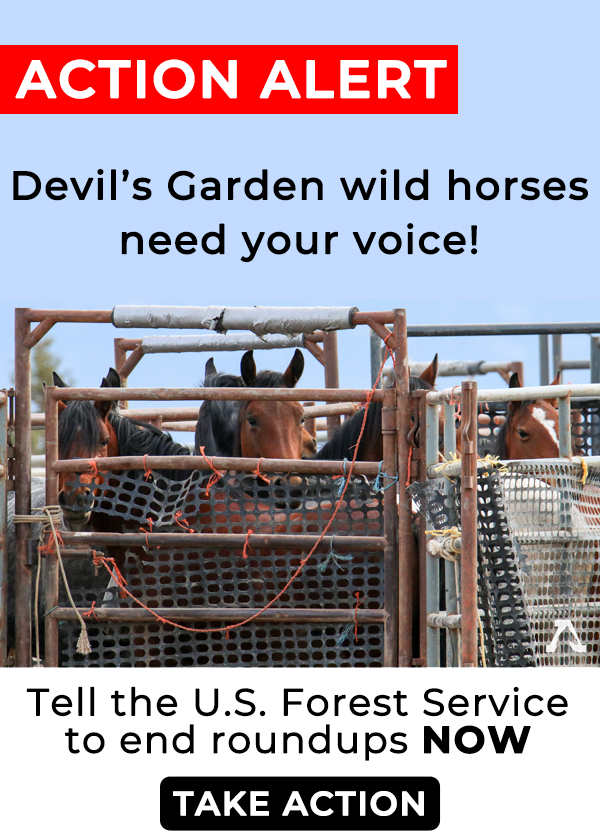
The U.S. Forest Service is now seeking public comments on its plan to launch yet another helicopter assault on the wild horses of California.
This latest cruel and inhumane proposal comes on the heels of two years of rounding up and removing almost 1,500 horses from the Devil’s Garden Wild Horse Territory on the Modoc National Forest in northeast California. Now, the Forest Service is targeting 500 more horses for removal this fall in order to appease private ranching interests that view the horses as competition for resources on the 258,000 acres of public land where the Devil’s Garden mustangs live.
This should not surprise you: While the Forest Service only allows between 206-402 wild horses on the Territory, it authorizes as many as 3,700 cattle and 2,900 sheep to graze for six months a year – all at taxpayer expense.
Adding insult to injury, the cost to taxpayers for rounding up Devil’s Garden wild horses over the last three years is more than $1.5 million!
Instead of launching yet another costly, traumatic and potentially deadly roundup, the Forest Service needs to protect this historic wild horse herd by managing it humanely in the wild with a comprehensive, scientifically proven PZP fertility control program.
Weigh in NOW before the August 20 public comment period deadline: Join us in defending the Devil’s Garden wild horses →
— AWHC
The following is from the American Horse Council:
As lawmakers work on the next phase of corona-virus aid relief, Congress will consider measures to improve the Paycheck Protection Program (PPP), a small business relief measure credited for helping to stem massive job losses experienced since March. Most equine enterprises classify as small businesses and do not necessarily have “in house” resources to monitor availability of educational tools to survive the pandemic. Many of these small businesses turn to educational, non-profit groups to leverage limited resources. By expanding eligibility to participate in PPP to a broader variety of non-profit entities, such as 501(C) 5 and 6 groups, Congress can secure a much-needed pipeline to expedite delivery of resources for the horse industry! Some examples of groups that would benefit directly or indirectly from expanding the scope of PPP include breed associations, horse shows, county fairs, and farm bureaus.
The following is from the American Horse Council:
As public lands begin to re-open, Congress has an opportunity to pass important trails legislation that will get Americans outside while promoting the health of recreational riders. Thanks in large part to continued advocacy from the horse industry, the Senate voted June 17 to pass the “Great American Outdoors (GAO) Act of 2020” by a vote of 73 to 25. Now that the Senate has passed this important lands’ bill, the House must take the next step and send it to the White House to be signed into law.
The following is from the Colorado Horse Council:
Keeping the Heritage Alive!
Equine Heritage Foundation
Learn More About the Foundation
Though the Heritage Rides had to be postponed, you can help support the fundraising efforts of the Colorado Horse Council (CHC) by making a “ride donation” to the The Equine Heritage Foundation.
The work of CHC in acting as the voice of the equine industry in our state must go on 12 months out of the year. The education and promotional efforts are essential to the continual growth and development of our equine organization. So your support is very important for us to continue our work and maintain the our efforts.
Your support to the Equine Heritage Foundation is an investment in Colorado’s vibrant horse industry, a gift that brings you measurable returns in services and opportunities that enhance your equine experience. We strive to benefit the horse industry, regardless of the participants’ discipline affiliation or breed preference, business type or recreational pursuit.
Currently are efforts are associated in building a fund to support the operations of the 2021 Rocky Mountain Horse Expo. This 29 year annual event is in need of funds to maintain our planning process and marketing efforts. Though the commencement of 2020 Expo was able happen, the attendance was lower than expected due to the start of the Covid 19 pandemic. The loss in the ticket sales and the lack of The Heritage Ride fundraising means that we need to ask the equine community for financial assistance, Your support will allow us to maintain the planning and contractual processes necessary for 2021 Expo.
Mid-Year Membership Renewal/New Membership Offer
Responsible Horse Owners are Members of the
Colorado Horse Council
It’s not too late to renew your CHC membership this year!
Renew today to benefit from exclusive member opportunities, services and discounts for the rest of the year.
Here are a few ways that your membership makes a difference:
-Membership fees help pay lobbyists to promote equine interests at
the State Capitol
-Allows you to make informed decisions with legislative updates
about the equine industry
Here are a few ways your membership directly benefits you:
-$1 million worth of excess liability insurance for equine activities
(Insurance benefits for 2020 end December 31, 2020)
-2 Rocky Mountain Horse Expo Grounds Admissions tickets
-A business listing in the CHC member directory
-Discounts and member rates with associated equine companies
-Access to member mailing lists/directories/newsletters/email bulletins
Renew your CHC membership at Renew here
Become a new CHC member at Join here
Chip Your Horse
A valuable tool
Permanent Identification
Easy to do
Great value and peace of mind
Microchipping your horse is more important than you may think. The grain-of-rice-sized chip can prevent theft, help recovery after disasters and gives your horse a permanent ID and is registered in national databases.
An estimated 40,000 horses a year are taken from their owners either by strangers or opponents in civil or legal disputes. Microchipping your horse allows you to report he/she as stolen and help authorities find your horse much easier.
After the chaos of a natural disaster, a microchipped horse is much easier to locate and return to you. As Colorado residents, we face the threat of fires, floods and tornadoes. Your horses could go missing in these disasters and an unchipped horse could be impossible to return to the correct owner.
Finally, it’s affordable. The microchip and lifetime registration is $20 through the Colorado Equine Microchipping program. From there, you can call a veterinarian at your convenience to insert and register the microchip. A horse microchipped through the Colorado Equine Microchipping Program will meet all the required criteria to register for events and races.
To learn more about CHC’s microchip program visit Microchip my horse
“Support the Horse” License Plate Program
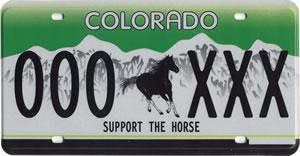
Looking for a unique way to support Colorado’s equine industry?
Purchase a “Support the Horse” license plate for $30. All proceeds fund statewide research, education and promotion that enhances the equine industry in Colorado.
This year we are making it easier than ever, the process is now online. This makes the program more secure and easily accessible. Here are the simple steps to get started:
The entire process all done online, no longer wait in line at the DMV!
Show everyone you support Colorado’s equine industry and they should too!
The following is from the American Horse Council:
As states re-open public lands, Congress has an opportunity to pass important trails legislation that will get Americans outside while promoting the health of recreational riders. Thanks in large part to continued advocacy from the horse industry, the Senate voted June 17 to pass the “Great American Outdoors (GAO) Act of 2020” by a vote of 73 to 25. Now that the Senate has passed this important lands’ bill, the House must take the next step and send it to the White House to be signed into law.
The following is from the Colorado Horse Council:
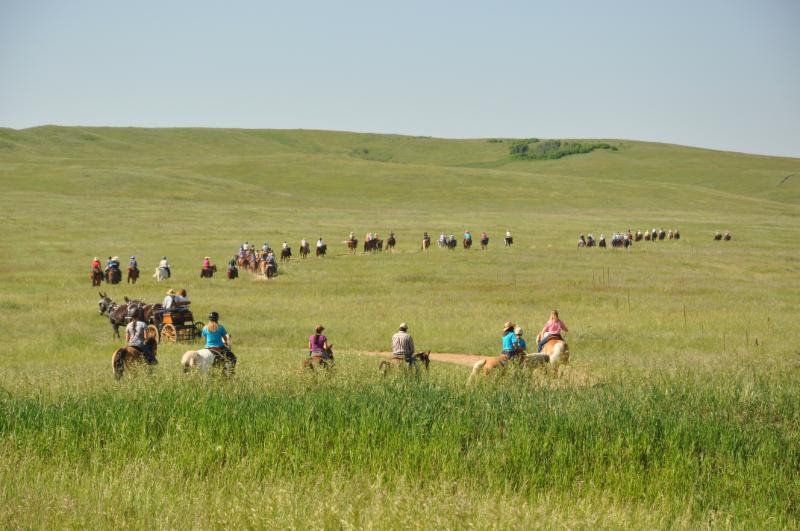
These fundraising rides must be postponed because of the uncertainty as to when we can hold these rides due to various constraints with trail usage, social gatherings and travel restrictions. We are confident we’ll get programs started to help support the work of the Colorado Horse Council.
This fundraising program is necessary for the Council to continue its work in the state of Colorado.
Work is currently in process for the development of the Equine Heritage Foundation.
The Equine Heritage Foundation
Mission and Purpose
Promote the Heritage of the Horse, which is rich and meaningful in our state and requires continual education in the areas of welfare, training, legal responsibility and the cultural understanding.
Protect the Heritage of the Horse, which encompasses the rights of individuals to enjoy, own and actively use the natural resources and the manmade infrastructure our state has to offer for equestrian activities.
Develop the future Heritage of the Horse, which has a meaningful human and financial impact in our state which includes quality of life components that is inherent in the reasons why people live, work and play in Colorado.
 Make a startup contribution to the
Equine Heritage Foundation,
These startup donations will help with the planning and the development of promotional and educational programs for the Colorado Horse Council which includes the
Rocky Mountain Horse Expo
(Remember to build an account at the Equine City Hall, if you do not have one)
The following is from the American Horse Council:
The AHC News is provided to you as a benefit of your AHC membership, and we hope you find the articles informative and useful. While the AHC does grant permission for newsletter articles to be passed on, we hope you will encourage those you are sharing the articles and information with to join the AHC so they can stay informed and up-to-date!
Permission to pass on the AHC News articles to your members, readers, or others is granted on the condition that it is forwarded in its original form or directly linked with the AHC logo and a link to the AHC website.
Don’t forget to read all the way to the bottom of the newsletter as there’s some great stuff down there.
Resources for Horse Owners
https://unitedhorsecoalition.org/covid-19-resources/#horse-owners
Although many states across the country are starting to loosen restrictions, the COVID-19 pandemic is still wreaking havoc on every sector of our economy. One of the places this is most obvious are unemployment numbers, which continue to rise.
So what to do if you’re a horse owner and find yourself suddenly jobless?
If you keep your horses at home, there are some simple steps you can take to start reducing expenses. Turn your horses out as long as possible – even 24/7 if your situation permits. With spring grass in full force, you’ll be able to cut down on hay and grain, plus bedding. However if your horses haven’t been turned out on grass yet this year, introduce it slowly to reduce colic and laminitis risks.
This year’s hay crop is starting to come in. If you typically purchase a big supply, see if your hay producer will work with you on delivering smaller loads or taking monthly payments. Remember they have expenses too so see what you can do to meet halfway.
Look into other options for decreasing grain consumption, such as hay cubes or hay extenders. These might not be necessary while the grass is good but come fall and winter they could help you save money. Work with your vet for recommendations specific to your horses and their needs.
If you keep your horses shod, one or more might be able to go barefoot. Work with your farrier and veterinarian to see if this is a possibility.
Maintain your horse’s regular health and hoof care. This includes vaccinations, fecal counts/deworming, and hoof trims and shoes. Skimping in these areas now will quite possibly lead to bigger, more expensive problems down the road – the old “penny wise, pound foolish” saying comes to mind. Since it’s unlikely you’ll be traveling to shows or competitions, ask your vet to administer only the core vaccines.
If you board, many of the items above still apply, especially health and hoof care. In a boarding situation, you might be able split the vet’s farm call fee if several boarders have him or her out at the same time.
If your horse is in less work, ask the barn owner or manager to decrease the amount of grain fed – not to save costs but to prevent your horse from gaining the horsey equivalent of the “quarantine 15”.
Is there somebody else at the barn that might do a full or part lease on your horse for a few months? If so, be sure to be specific about who is responsible for specific expenses, such as farrier bills, fly spray and the like. Better to have everything covered!
Talk with your horse friends, surf social media and google for other ideas on how to manage your equine expenses through these difficult days. Horse people are a creative and resilient group and there are lots of ideas out there that might work in your circumstances.
Lastly, think about what drew you to horses in the first place. Take a breath and call out the 10-year-old child that still lives in you and relish simply being with your horse. Go on trail rides. Play games. Linger in the barn instead of always rushing. Your love of horses remains intact despite these dark days, and hopefully you can draw some comfort from that.
Submitted by: Molly O’Brien – Program Manager Time to Ride
Resources for Small Businesses
https://unitedhorsecoalition.org/covid-19-resources/#equine-businesses
According to the 2017 AHC Foundation Equine Economic Impact Study, 30% of American households include an equine enthusiast. Arguably, every one of those enthusiasts have been impacted in the last three months. As have the operations that cater to each and everyone of those horse fans, owners and riders. As the impact of COVID-19 continues to unfold, our industry needs to keep a close eye on changing customer behaviors and ask the right questions to ensure that we are prepared for any negative outcomes or new opportunities. Steps need to be taken during the transitional period between quarantine and reopening to protect long-term interest, satisfaction, and engagement.
What you need to consider for your business;
With the economic downturn, consumer behavior is likely to change drastically. For those without significant disposable income, those planning for/are in retirement and for small business owners, an economic downturn might result in a sharp decline in their propensity or ability to spend. While consumers could take a “wait and see” approach, businesses should consider their target audience and how spending habits may change as a result of the current economic climate. Several ways to keep spending “horsey” in your community include;
When businesses invest in creating a quality experience, clients notice. According to an online poll, 86% of customers are willing to pay more for better customer experience. Therefore, it pays to create a superior customer experience. Instead of losing track of your customer’s voice in the vast sea of noise, make sure that you can listen closely and understand how they feel about your business. Now is the time to “lean in” to the communication tools that customers prefer, i.e. digital tools like text messaging, video chat, social media services, etc.
Additionally, businesses that put people in close proximity to others will potentially face challenges, as users are choosing to avoid close contact in exchange for staying home. This will not only impact a company’s bottom lines but also their employees’ work schedules and employment status. Businesses need to provide clear direction on how they will proceed in light of the reopening. As the overall concern for personal health continues, owners and managers will be forced to communicate how they are not only taking precautions with their own employees but also how safety control mechanisms are operating to ensure no contamination or spread of the virus to their customers or clients.
Overarchingly, equine businesses will have to do what they have always done best – adapt. Staying on top of the latest trends, watching the data for insight, and understanding new consumer behaviors will be key in driving successful marketing strategies moving forward. The American Horse Council will continue to look for strategies to help meet the needs of the equine industry, and we would ask any equine business owners or operators affected by the outbreak or the subsequent quarantine to fill out the AHC survey found here https://www.surveymonkey.com/r/AHCCOVID19Impact This will be critical to measuring the impact of this pandemic in between the 2017 and the upcoming 2022 AHC Foundation Equine Economic Studies. Please contact info@horsecouncil.org if you have questions or information you would like shared.
Submitted by: Cliff Williamson, Director of Health & Regulatory Affairs
Resources for Non-Profits
https://unitedhorsecoalition.org/covid-19-resources/#equine-non-profits
“Aggie” Non-for-Profit Groups Advocate for Expanded Paycheck Protection Eligibility
On May 26, AHC, the American Association of Equine Practitioners, the American Farm Bureau Federation, the National Grange and other agriculture groups submitted joint-letters to Sens. McConnell (R-KY), Rubio (R-FL) and Cardin (D-MD), urging extension of the Paycheck Protection Program (PPP) to organizations filing as 501(c)(4), (c)(5) and (c)(6) entities . As previously reported, the CARES Act currently restricts non-profit eligibility for PPP to 501(c)(3) and (c)(19) groups, thereby excluding a broad spectrum of professional and trade associations and labor unions. As Congress continues to consider additional COVID-19 relief legislation and more narrow vehicles in the House and Senate focusing on additional paycheck protection flexibility, opportunities will arise to continue to amend PPP.
While the House-passed “HEROES Act” extended PPP eligibility to all not-for-profit organizations, much work needs to be done, especially in the Senate. The coalition points out that there are thousands of not for profits groups formed as a 501(c)(4), (5) or (6) that support or promote critical essential professions, industries, small businesses and workers. Many of these are important ag-focused, non-profit groups serve as key resources for farming best practices, market data, educational outreach, agricultural education, and most urgently, pandemic-related assistance. Without the benefit of 501(c) (4), (5) or (6) operations, a diverse group of employers including family farms, horse breeding operations, and state and county fairs, just to name a few examples, could lose an important resource for tools necessary to move beyond the pandemic and resume their roles as top job creators.
Although next steps remain uncertain, lawmakers will likely come to the table to negotiate so-called “phase four” relief legislation this summer. In conjunction with House passage of a narrow set of PPP flexibilities on May 28, Senate Majority Leader McConnell (R-KY) has stated that the Senate would take up the issue in June. AHC will continue to update you on activities related to economic measures impacting the horse industry.
Submitted by: Bryan Brendle, Director of Policy & Legislative Affairs
Resources for Equine Associations
The United Horse Coalition (UHC) knows that Associations are a great place for horse owners to find help and support within the equine community. We’re encouraging Associations across all breeds and disciplines to check out our newest resource for horse owners – the searchable Equine Resource Database.
We pushed up the release of our searchable Equine Resource Database in the wake of COVID-19, in an effort to compile a listing of all known safety net programs available in the nation to help owners who are in need. By having one centrally located area to access these resources, UHC hopes it will help owners keep their horses from becoming at-risk during these trying times.
We also added a new searchable component on the website to make it even easier for those in need of safety net programs to access the information they require. For example, an owner in need of a hay bank, will choose the resource they are in need of from a drop down menu, put in the state in which they reside and the search database will display any available resources in their vicinity. In addition to the resources, users can filter by breed specific rescues and those organizations holding accreditations or affiliations with various organizations.
We know this tool will be a great benefit not only for horse owners, but Associations looking for ways to support their members experiencing difficulties. We encourage all Associations to share the Equine Resource Database with their members and affiliates, in hopes that those in need of help can find support local to them.
We are also asking Associations to check out the database and let us know if we are missing any breed or discipline specific safety net programs. Associations have the best understanding of the support available to their members, and we want to make sure we’re sharing the most accurate list of resources as possible. If you think we’re missing a resource or safety net program, email us at UHC@HorseCouncil.Org and we’ll gladly add it to the database!
Submitted by: Ashley Harkins, Director of UHC and Emily Stearns, Program Manager EWDC
Membership Spotlight
We all go to a horse race to experience the thrill of the race! We walk in wondering what horse to bet on, should I bet on Shoot Down the Line, Snow Dancer, or maybe go for the long shot and bet on Chocolate Sundae ? Or maybe you aren’t there for the horses, maybe you’re there on one of three special race days, the Triple Crown, to just enjoy the excitement of the moment! But did you ever stop for a moment and think about the jockeys? The men and women who sit atop the best horses, who lead them into the starting gates, riding them through the turns, and ultimately crossing the finish line? One group has and will continue to be the voice of the professional jockeys of the thoroughbred and quarter horse racing industry – The Jockeys’ Guild!
Founded in 1940 after an injury to Sammy Renick who was recuperating from a broken leg in the hospital and a visit from Eddie Arcaro, a discussion ensued, leading to the creation of an organization representing the interests of jockeys. Jumping ahead 80 years, the Jockey Guild represents approximately 1250 professional jockeys of thoroughbred and quarter horse racing, to include active, retired, and disabled jockeys. Huge strides have been made since the founding of the Guild: health insurance for qualified members and families, helmet, vests, and safety rail improvements, padded starting gaits, and enhancements to safety standards. Making continued strides in health and safety to include improved medical standards and paramedics and medical directors at each track, continued testing of current safety equipment, and developing procedures in response to traumatic head and spinal injuries after on-track accidents.
With the changing climate of COVID-19 the Jockeys’ Guild and racing will most likely be impacted for the next 9-12 months. Changes in budget, how races are viewed, and how fans can attend are all aspects needing to be addressed when racing fully opens for the public. But the Jockeys’ Guild is in a good place. They have not overspent their budget, staying within the boundaries they set, spent wisely, and have provided benefits for their members. Some racetracks remained open during the lockdown, which is a positive for the industry as whole. But the industry will likely be impacted for the next 9 to 12 months, but with organizations like the Jockeys’ Guild supporting their members, the industry is resilient, determined, and will flourish once again.
So, the next time you go to the races to watch Chocolate Sundae win the third leg of the Triple Crown, remember the jockey who was led into the starting gate, who maneuvered her through the pack, to ultimately sit in the winner’s circle enjoying the excitement of winning the Triple Crown! The jockey is the unsung hero of horse racing, thank you Jockeys’ Guild for all you do for the jockey!
Submitted by: Lynda Majerowicz, Membership Specialist
The following is from the American Horse Council:
As the states move to re-open public lands, Congress has a major opportunity to pass important trails legislation that will get Americans outside while promoting the health of recreational riders and other outdoor enthusiasts. Thanks in large part to continued advocacy from the horse industry, a bipartisan group of senators has sponsored the “Great American Outdoors Act of 2020” (S. 3422). Before adjourning for a Memorial Day break, Senate Majority Leader McConnell stated that this important recreation bill will come up for a vote in June. Please contact your senators
The following is from the American Horse Council:
The AHC News is provided to you as a benefit of your AHC membership, and we hope you find the articles informative and useful. While the AHC does grant permission for newsletter articles to be passed on, we hope you will encourage those you are sharing the articles and information with to join the AHC so they can stay informed and up-to-date!
Permission to pass on the AHC News articles to your members, readers, or others is granted on the condition that it is forwarded in its original form or directly linked with the AHC logo and a link to the AHC website.
Don’t forget to read all the way to the bottom of the newsletter as there’s some great stuff down there.
Survey COVID-19 Economic Impact on Equine Industry
___________________________________________
The American Horse Council is conducting a brief survey (14 questions which take less than 10 minutes) to determine the economic impacts of COVID-19 on the equine industry. We would very much appreciate your assistance with collecting this information. The only thing you need to have handy is your total horse related income and expenses for March 2019 and March 2020 so we have some comparison.
It’s important to note that for statistical reasons we are sending this survey to a predetermined 1,000 people. Please do NOT forward this or share this survey with others as statisticians will be scaling the responses and we must preserve the sample size .This survey will close May 30, 2020, and depending on the pandemic’s length we will reissue to get up to date numbers and data.
https://www.surveymonkey.com/r/AHCCOVID19Impact
Thank you. Be well and Be Safe. #HorseStrong
Resources for Horse Owners
https://unitedhorsecoalition.org/covid-19-resources/#horse-owners
Horse Industry, Outdoor Groups Endorse “Great American Outdoors Act of 2020”
On May 6, 2020, the American Horse Council, American Sportfishing Association, American Trails and more than 25 other members of the Outdoor Recreation Roundtable (ORR) sent a letter to Congress urging lawmakers to pass the “Great American Outdoors Act” (S. 3422). The bill would not only promote outdoor activities as states begin to ease social distancing requirements, but it would also achieve key horse industry objectives such as fully funding the Land and Water Conservation Fund (LWCF). S. 3422 will fully fund LWCF by investing $900 million per year for public lands, parks and trails. Serving as a “recreational package” discussed by Senate staff with members of the horse industry earlier this year, the bill would also address the nation’s public lands maintenance backlog. Reducing the backlog in trails maintenance projects is a goal industry has fought for within the context of the “Restore Our Parks Act” (ROPA), among other vehicles. During the past year, members of the horse industry have submitted more than 200 letters to lawmakers urging passage of individual trails bills. The bill will also help to bolster recreation-focused business, including riding barns, as Americans seek to spend time outdoors during the months ahead.
S. 3422 is timely and will help expedite a transition to more flexible social distancing practices, including the re-opening of access to the nation’s trails. The National Park Service (NPS) is adopting a phased approach to open trails in the nation’s 62 national parks, consistent with the “Opening Up America Again Guidelines” released by the Administration on April 16. In a statement from the Department of Interior (DOI), Secretary Bernhardt affirmed the agency’s plan to work with governors and assess the circumstances of each state, thereby initiating a “park by park” approach to reopening access. During the week of May 9, for example, DOI announced the reopening of 16 national parks, including the Blue Ridge Parkway of North Carolina, the Grand Canyon, and the Curecanti National Recreation Area of Colorado, to name a few. To view a list of parks included in the recent, large-scale opening, please see the following link: https://www.doi.gov/pressreleases/case-you-missed-it-interior-continues-safely-restore-access-public-lands . For an “A to Z” list of national parks that have re-opened, or are in the process of easing restrictions to access, please visit the following web site: https://www.nationalparkstraveler.org/2020/05/reopening-national-park-system-whats-open.
Submitted by: Bryan Brendle, Director of Policy & Legislative Affairs
Resources for Small Businesses
https://unitedhorsecoalition.org/covid-19-resources/#equine-businesses
SBA, Congress Roll Out Paycheck Protection Tools, Proposed Changes
While Congress debates next steps related to stimulus bills, the Administration continues to release guidance and other tools to clarify the Paycheck Protection Program’s (PPP) implementation, especially its signature “loan forgiveness” provision. On May 15, SBA released the PPP Loan Forgiveness Application, including instructions for its completion, a “Schedule A” and related worksheet.
According to SBA, the 11-page form includes “several measures to reduce compliance burdens and simplify the process for borrowers.” These include options for businesses “to calculate payroll costs using an alternative payroll covered period that aligns with borrowers’ regular payroll cycles” and “flexibility to include eligible payroll and non-payroll expenses paid or incurred during the eight-week period,” among other measures. Importantly, the new form addresses some of the feedback from members of the horse industry, including “step-by-step instructions on how to perform the calculations required by the CARES Act to confirm eligibility for loan forgiveness.”
Because the “covered period” for Paycheck Protection loans begins on the date that the bank actually disburses a loan to the borrower, it’s important to track various expenses during the window outlined by the CARES Act. To view a copy of the 11-page application and instructions, please click here: https://www.sba.gov/document/sba-form–paycheck-protection-program-loan-forgiveness-application .
Despite a congressional impasse over so-called Phase Four legislation to address the coronavirus, House and Senate lawmakers are rolling out their own bipartisan flexibility measures focusing on narrow fixes to the PPP. The House will vote next week on the “Paycheck Protection Flexibility Act” (H.R. 6886), introduced by Reps. Dean Phillips (D-MN) and Chip Roy (R-TX) on May 11. Highlights include the following provisions, which in part reflect feedback from members of the horse industry who are navigating the program:
To view a copy of a statement related to H.R. 6886, please see the following:
https://roy.house.gov/media/press-releases/reps-chip-roy-and-dean-phillips-release-paycheck-protection-flexibility-act . On the other side of the Capitol, Senators Rubio (R-FL), Cardin (D-MD), Collins (R-ME) and Shaheen (D-NH) have offered the “Paycheck Protection Program Extension Act.” This narrow bill would also provide flexibility, including extension of the loan application filing deadline from June 30, 2020 to December 31, 2020 and extension of the cover period from eight to 16 weeks of expenses.
Submitted by: Bryan Brendle, Director of Policy & Legislative Affairs
Resources for Non-Profits
https://unitedhorsecoalition.org/covid-19-resources/#equine-non-profits
Nonprofits in the Time of COVID-19
While every sector of our economy and our lives has been significantly impacted by the COVID-19 pandemic, the nonprofit sector has taken an especially hard hit. This includes the horse industry. From breed and discipline associations to rescues and equine-assisted therapy centers, income is down, while expenses are not.
In many respects, our national breed and discipline organizations are part of the foundation of the horse world. At their core, they maintain the purity of our breeds and set the rules and standards for competition. While you might never own a purebred horse, remember that breed standards typically include conformation, helping ensure that there’s a genetic pool of strong, athletic animals for future generations. The rules they establish for competition gives everyone guidelines to follow, right down to the local level. Sure, you might not agree with everything they do, but these organizations lay the foundation upon which we all build.
What can organizations in this sector do? Ask people to renew their memberships, even if they don’t “need” it this year because they don’t plan to compete. Remind them to register their foals, and transfer registrations for horses they’ve bought or sold. Many organizations have magazines that typically rely on competitions to generate advertising. Ask your advertisers to place an ad just to highlight their horses, even if they don’t have show wins to brag about. Many times people just need to be asked or reminded – and don’t be afraid to tell them why you need their support right now.
Rescues are more obviously feeling the pinch. While money is always needed, think of other ways people can help. Depending on your state’s regulations you might not be able to have a lot of volunteers on the property, leaving you to do more of the manual labor and less time to spend in the office. Consider looking for volunteers that can help with other aspects of your operation that allow them to stay socially distanced. For example, you might find someone to help with your record-keeping or scheduling appointments. You could look for one or more people that can assist with your local promotion, from social media posts to writing and distributing press releases. Lots of people with lots of different skills are unemployed or under-employed right now and would welcome an opportunity to keep their skills sharp while helping you.
Equine-assisted therapy centers are also under the gun. Many of your riders need more hands-on assistance than can be given under social distancing rules, so your lesson volume is down yet you still have to maintain your horses. Similar to rescues, think outside the box for ways people can help, such as record-keeping and promotion. There are options for fundraising as well – for example, there’s a company that lets you design and sell t-shirts and similar apparel with no upfront inventory requirement, and they do the fulfillment as well. This helps raise funds and helps promote your program as more and more people are out and about displaying your organization’s name and artwork. For this group, staying in touch with your lesson clients is also important. Try to find the time – or a volunteer with time – to do photos or videos of your lesson horses and post them on social media or email them directly to your customers. While the smile on the child’s face won’t be quite as big as in person, they’ll still be thrilled to connect with their favorite horses. These ideas work well for regular lesson programs too!
While the world looks very different today than it did just a few months ago, we’re all learning to adjust, and eventually we’ll be much closer to the world we knew than the one we’re living in now. In the meantime, help if you can, and ask for help if you need it.
Submitted by: Molly O’Brien – Program Manager for Time to Ride
Resources for Equine Associations
Virtual Solutions for Association Events During the COVID-19 Pandemic
The April 2020 meeting of the American Physical Society (APS) was scheduled to take place in Washington DC. But when the coronavirus pandemic made a physical gathering impossible, the organizers decided to hold the entire event online and made registration free and open to everyone. With around 1,700 people typically attending the meeting, 7,267 registered this time. Nearly every sector of the equine community host in-person, large scale meetings and expos like this, and are faced with cancellations and rescheduling. Virtual events may be the best choice for our industry during this tumultuous time.
Online meetings might lack many of the benefits of an in-person conference: conversations over dinner; face-to-face networking; fresh perspectives that can come from simply leaving one’s home ground. Regardless, as more meetings move online — a trend likely to continue even after the pandemic fades — organizations may need to accept the new virtual reality of group gatherings. The most successful virtual conferences and meetings can seamlessly integrate speakers, technology, content, networking, and sponsors in a way that creates real impact for attendees. The interest in listening or engaging in multiple talks without leaving home has proven to be enticing to new participants, increasing engagement.
Virtual conferences might lack the intimacy of a physical gathering, but it’s still possible for attendees to connect with each other. Virtual event platforms often have a chat function allowing for real-time feedback. Some students and younger professionals might even find digital communication with industry leaders to be less intimidating than a face-to-face encounter, in addition to being less time intensive. Additionally, with the rising costs of travel and a decreasing amount of travel funding had ended opportunities for regular travel to far-off conferences. The COVID-19 pandemic may cause more conferences in the future to adopt a ‘hybrid’ approach, with both physical and virtual attendees.
Virtual meetings have some other advantages compared with a physical one. Live talks could be paused or rewound, a useful feature for those who missed details or wanted to spend more time pondering a crucial slide. Speakers can pre-record presentations in case of scheduling conflicts. Watching talks from home can ease a bit of the pressure of attending a large conference that would require dashing from one session to another across a vast convention halls. This allows for attendance to a wider variety of sessions than normal, for both speakers and attendees, since switching between parallel sessions can be seamless.
The pandemic continues to present interesting challenges for the equine industry and as solutions to these challenges present themselves, the American Horse Council with share them. Please contact the AHC at info@horsecouncil.org with more questions or solutions you would like shared.
Submitted by: Cliff Williamson, Director of Health & Regulatory Affairs
Membership Spotlight
With the struggles of trying to find different ways to stay engaged and active during these uncertain time of COVID-19, one organization, the American Quarter Horse Association (AQHA) is keeping their youth active and engaged. The AQHA, one of the oldest members of the American Horse Council (AHC), since 1970, has over 220,000+ members and over 18,000+ American Quarter Horse Youth Association (AQHYA) members. The AQHYA promotes leadership, competition, and other non-horse related activities for the horse loving youth and is the largest youth equine association.
AQHA will keep the AQHYA members engaged with the help of the AHC on Monday, June 8 and Tuesday, June 9, 2020 approximately 20 youth members will join the AHC for virtual Hill visits having meetings with Reps. Ted Yoho (R-FL) and Kurt Schrader (D-OR) who championed the Preventing All Soring Tactics (PAST) Act. AHC also reached out to Rep. Mac Thornberry (R-TX) to participate but has not confirmed. Another topic which may be discussed is federal funding for equine assisted therapy for veterans.
We look forward to helping the #MyWhyChallenge through Leadership Development for the Power of YOUth. These YOUth members are our leaders of tomorrow who are willing to learn today setting the stage for a lifetime of success.
Submitted by: Lynda Majerowicz, Membership Specialist