We wrapped up our Boots and Bling event, and we’re so grateful to everyone that volunteered, donated, purchased tickets, attended, bid on auction items, and supported the event in every way. Thanks to your support, we sold out (over 400 tickets), and with immense gratitude for the folks at the Western States Horse Expo, we had a fun-filled event at the fabulous Murieta Equestrian Center. With your support, we raised approximately $55,000 to support AAE operations and assure ongoing rescue activities!
Though our Boots event is a big boost to our budget, the calls for help with horses never ends, and sadly, neither does the need for fundraising.
For those of you that were unable to attend Boots (and those that attended, too), we had some auction items that were not bid on, and we thought it would be fun to have a second chance auction, online….a second chance for items to be won, a second chance for you to win, and another chance for you to keep helping horses! We’ve added some cool new items, too.
We have a series of auctions lined up, so visit often and share broadly!
All About Equine’s Second Chance Auction is live on our Facebook page. Like our horses, these items are in need of a new home and a second chance!
We hope to will find something you can’t live without, so help the horses by bidding! All the proceeds from the online auction go directly to care for horses and ongoing operations at AAE!
We are so grateful to all of our donors for providing AAE with these items to feature!
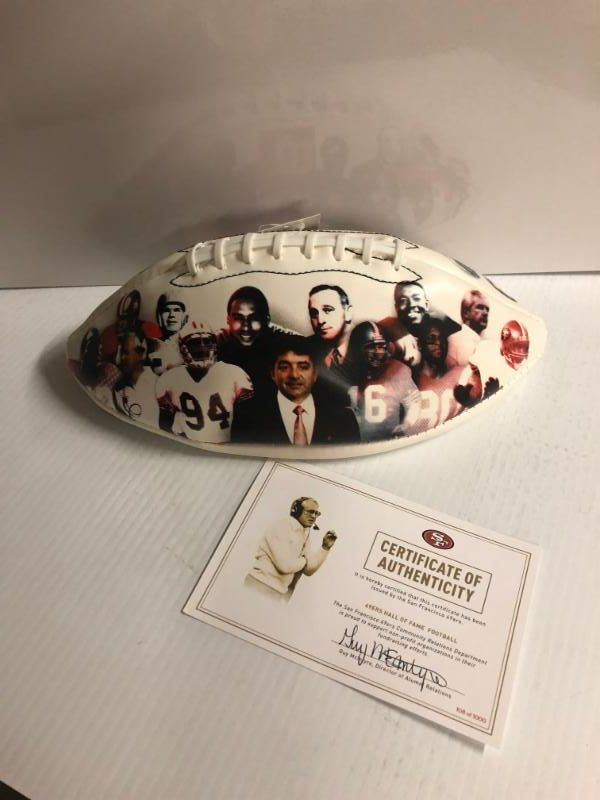
New San Francisco 49ers Hall of Fame football. This football has never been inflated. Football comes with Certificate of Authenticity issued by the San Francisco 49ers.
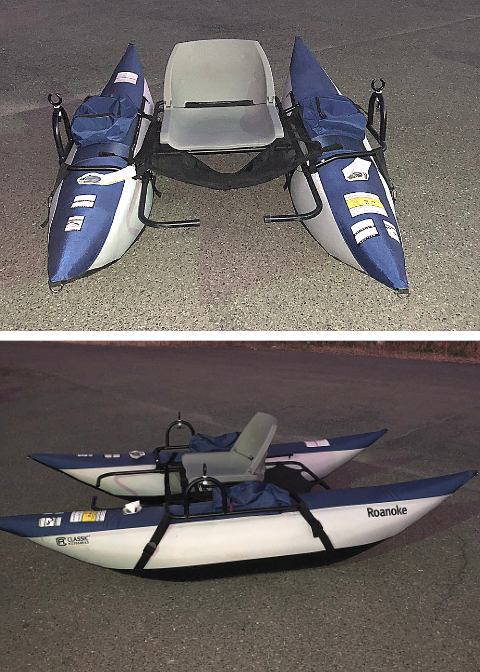
Lightweight and easy to maneuver this 8 foot boat features heavy duty pontoons, aluminum oars, oar locks, temperature resistant bladders, and a powder coated steel tube frame. Special features include an under-seat stripping apron, zippered armrest pockets, a rear storage platform, molded plastic fold-down seat, and adjustable foot rests. Designed to hold up to 350 lbs of weight, this boat has a Class 1 river rating. Roanoke assembled size: 96″L x 55″W x 29″H, Weight: 43 lbs Used only once. Looks New!
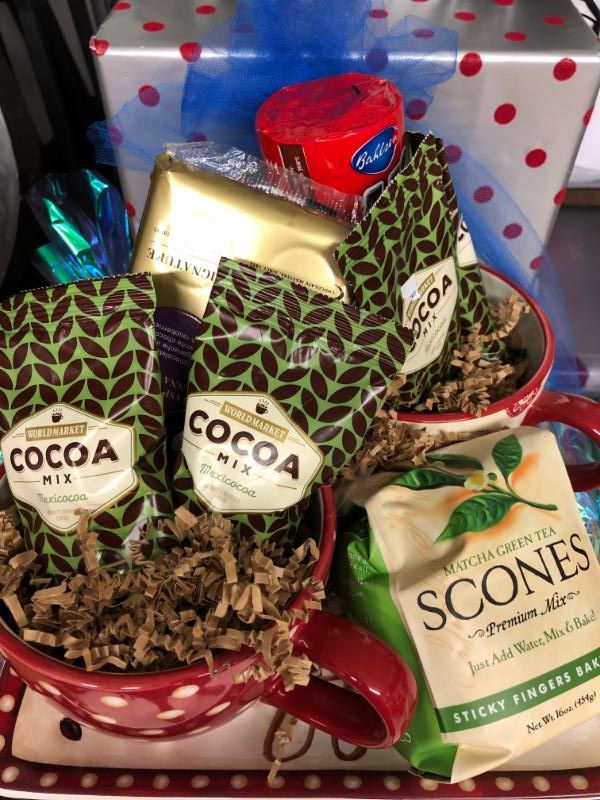
Enjoy a steaming hot cup of hot cocoa in these two (2) cute oversized mugs and matching serving plate. Includes four (4) hot cocoa mixes, a box of caramel stroopwafels, scone mix, cocoa flavored cookies and raspberry panna cotta signature chocolates.
A chocolate lover’s dream!
Value: $50
Starting Bid: $25
Thank you, Lori R, for donating this yummy basket!
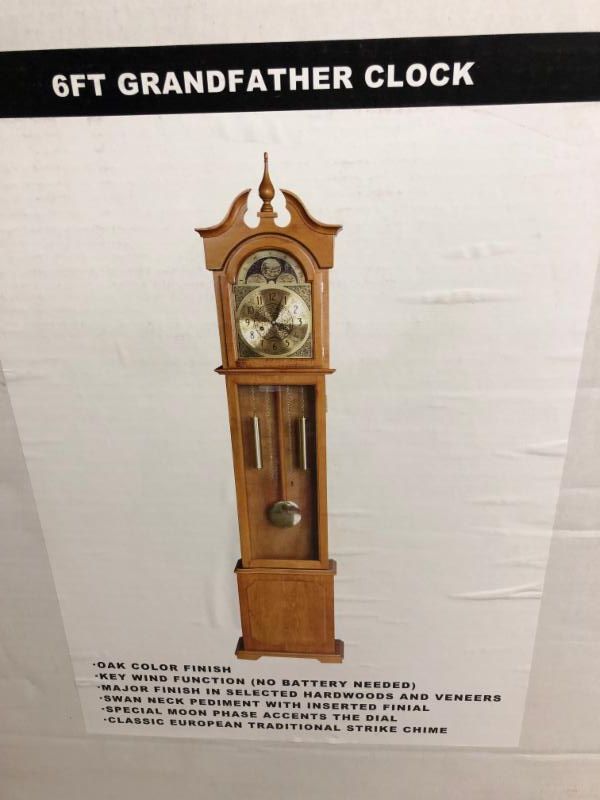
New in box! 6 foot Grandfather Clock. Oak color finish.
Features Key wind function, special moon phase accents, and
classic European traditional strike chime.
Value: $200
Starting Bid: $50
Thank you, John G for this gift of time!
ADOPTABLE HORSES
We have several new horses we’ll be sharing soon. In the meantime, if you have room in your heart and home, please check out our horses looking for homes.
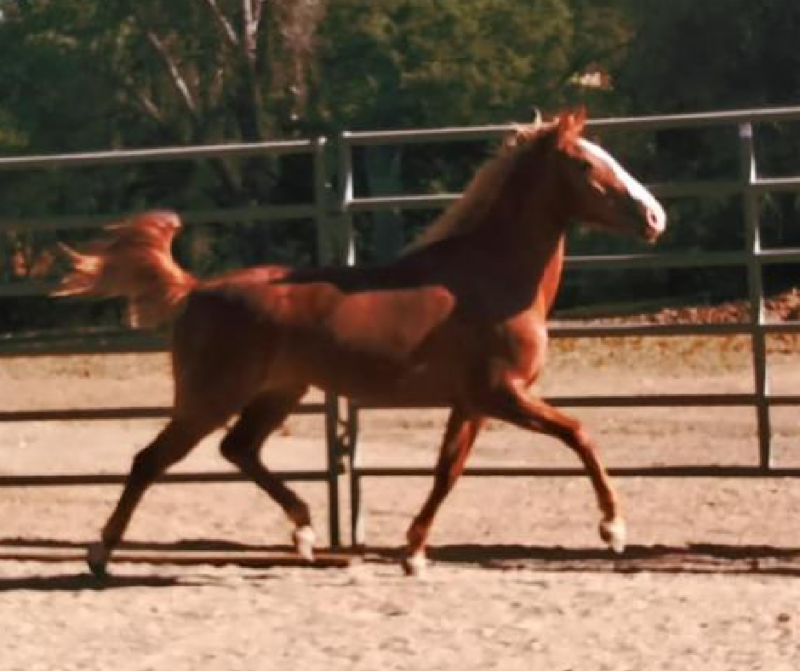
Another call for 4 more babies, and maybe more. At least this one is not a 24 hour deadline. Pickup could be in a day, or a week, or even longer. Luckily the Shipper does not have a full load right now. So every day is a gift for these poor babies. Sadly, we have no option to save the moms.But we need to raise funds to secure the safety and rescue of these little babies.
We deal with so much heartbreak it is beyond comprehension. It drains you to the point of almost not being able to function. I know this is God’s rescue and He puts this all in front of us. So I am supposed to be able to handle it :( We run on so much faith, and He does always provide, even when we are down to pennies, but it takes every last thing.
THANK YOU so very much for making the last rescue possible. The mare’s leg was horribly broken. When she stepped out of the trailer she fell down, so she was humanely euthanized within hours. It of course was extra spendy, but it had to be done. THANK YOU for giving her the respect she deserved, and the gift of an end to her pain. The other gelding is now in his forever home. He may or may not have a long life, but his teeth were fixed so his horrible pain has also ended. The vet said the cancer is not painful, so he will live out his days in peace, surrounded by love. The orphans were also picked up and are home safe.
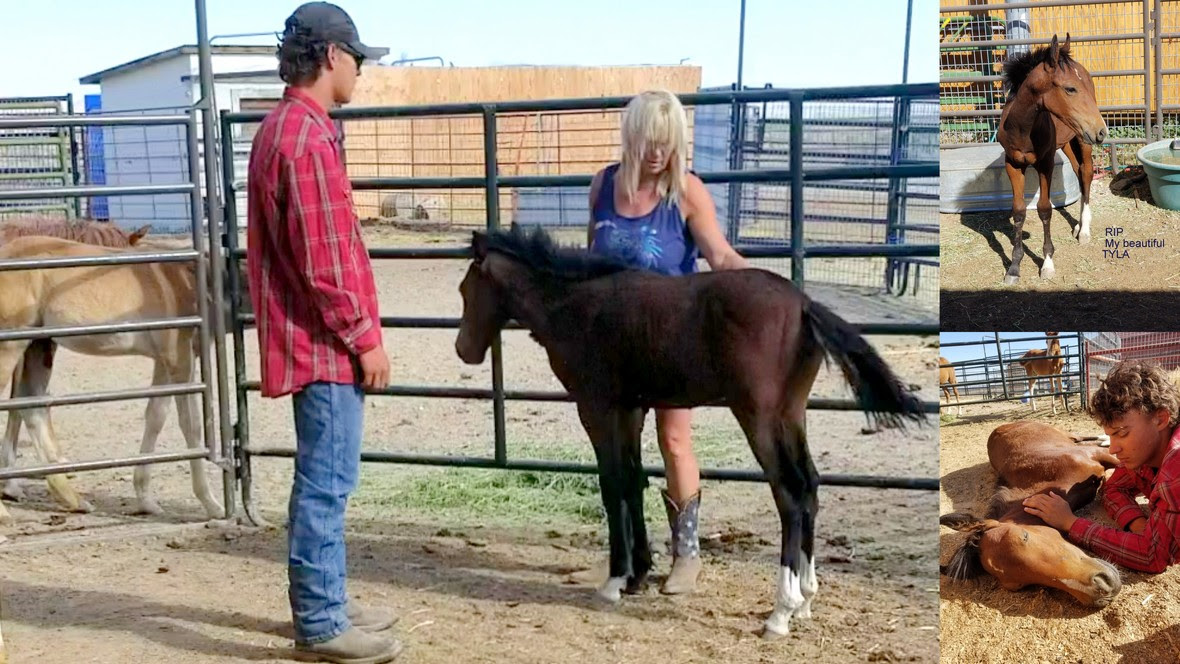
We were called on a beautiful little filly from Nevada, named Tyla. She had been caught in the middle of a stallion fight and had been laying there for hours. Everyone came together and we picked her up.
She was in horrible shape, and we took her to the vet on our way home. I also consulted our vet in CA. She is a foal specialist and is one of the best vets out there. Both of my “excellent” vets had exactly the same treatment plan. However, even with proper meds, the damage to her spine was too much and she let us know she was done. Her pain was getting worse and worse and her spinal injury was not improving.
Sadly, we had to set her free from her pain and this world. The only good thing was that for once, EVERY person in her life DID THE RIGHT THING FOR HER. If caring folks had not taken the time to make sure she was rescued, she would have literally been eaten alive on the range, as she was paralyzed when she was lying down. (She could literally only move her head and neck.) Another heartbreak for us, but a beautiful gift for an amazingly beautiful little baby. She couldn’t stay lying down, even when we helped her down. Her pain was too much.
She would stand beside my bed for literally hours, with her nose mushed into my tummy and sleep. We spent nearly 24/7 with her, but even with the best care, she never had a chance.When a baby wants to fight, and there is even the slightest chance of getting better, we will always fight with them. But that moment they tell you they are done, we have to honor and respect that, no matter how painful it is for us. That is true rescue. Always doing what is best for the critter in front of you.
So we have lots of vet bills again, and our milk and rescue funds have been depleted. We are getting ready for the new kids, and praying there will only be 4. However we all know that can change in a minute. So once again, we need your help now!
Y’all are amazing, and YOU HAVE SAVED SO MANY LIVES! Thank you for always being there for the horses.
Thank you as always, for your amazing love and support. We treasure all our Chilly Pepper Family and appreciate the fact that YOU MAKE THIS ALL POSSIBLE! We will keep on fighting as long as we have the funds to make it happen, even though on days like today it is simply too much. :(
Below – Honey Bandit and Lucky. 2 of the amazing lives that y’all have saved!
IF YOU WOULD LIKE TO KEEP HELPING US SAVE MORE LIVES, YOU CAN GO TO:
WIN (WILD HORSES IN NEED) is a 501c3 IRS EIN 55-0882407_
If there are ever funds left over from the cost of the rescue itself, the monies are used to feed, vet, care for and provide shelter and proper fencing for the animals once they are saved.
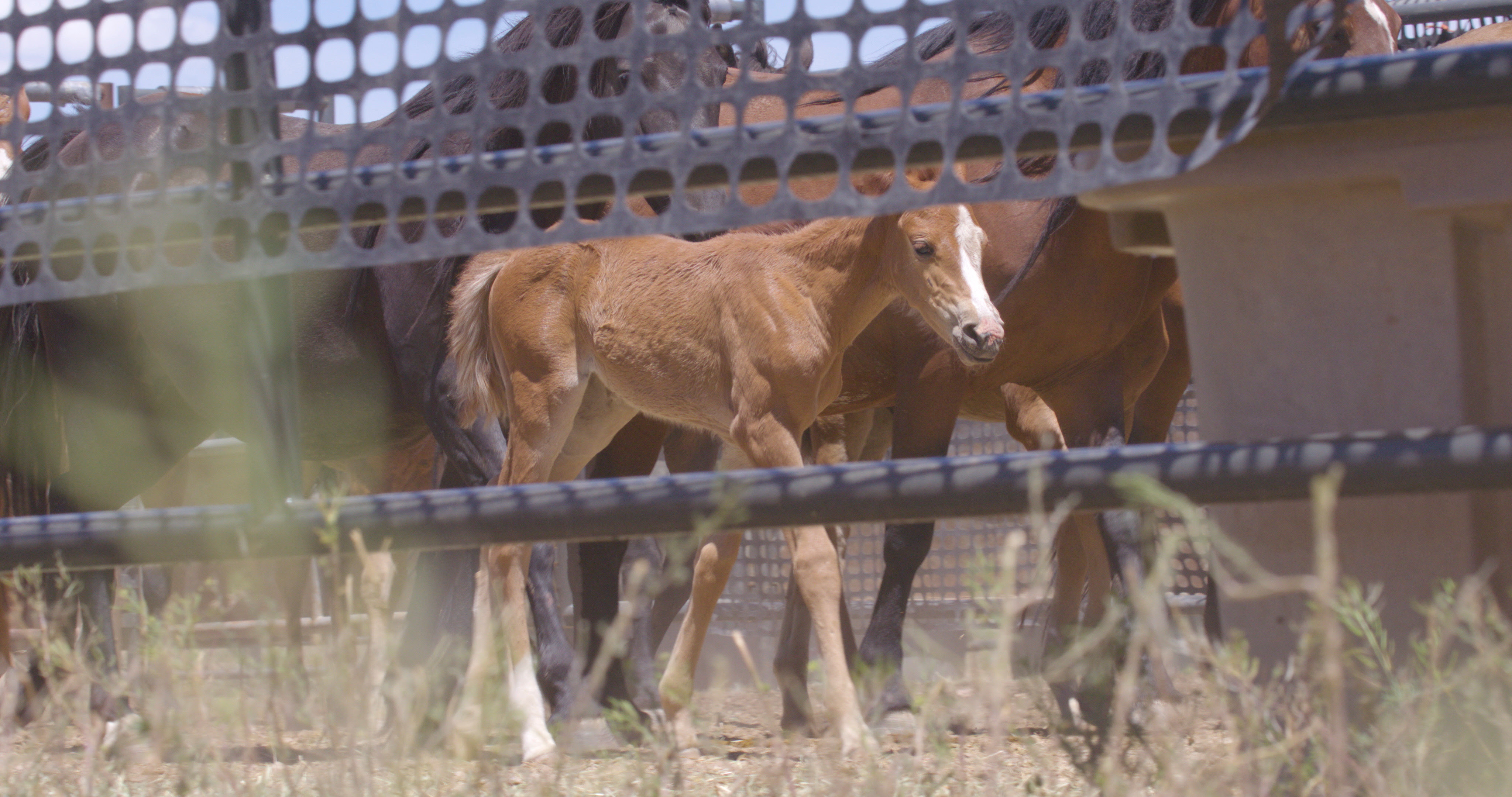
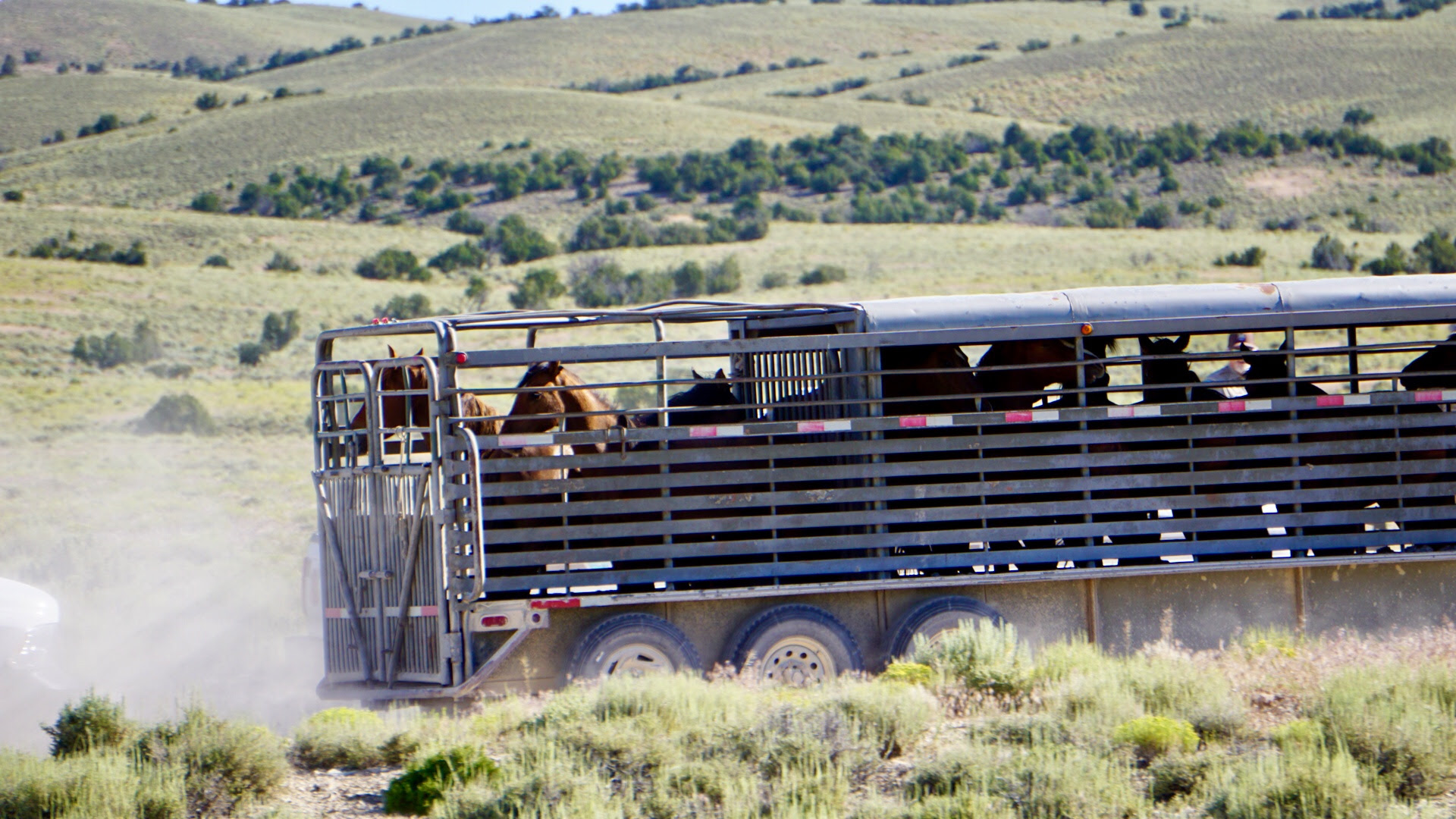
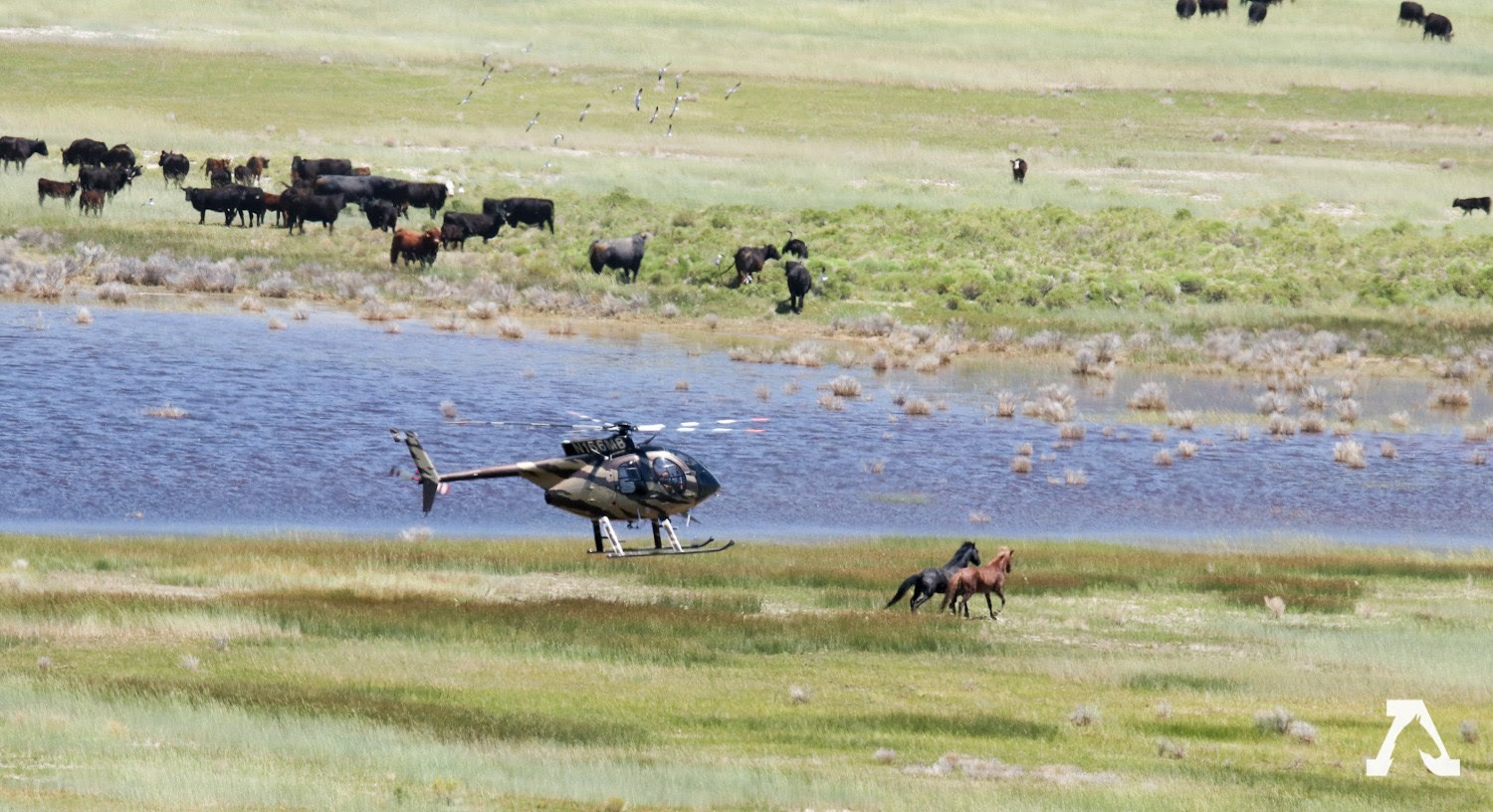
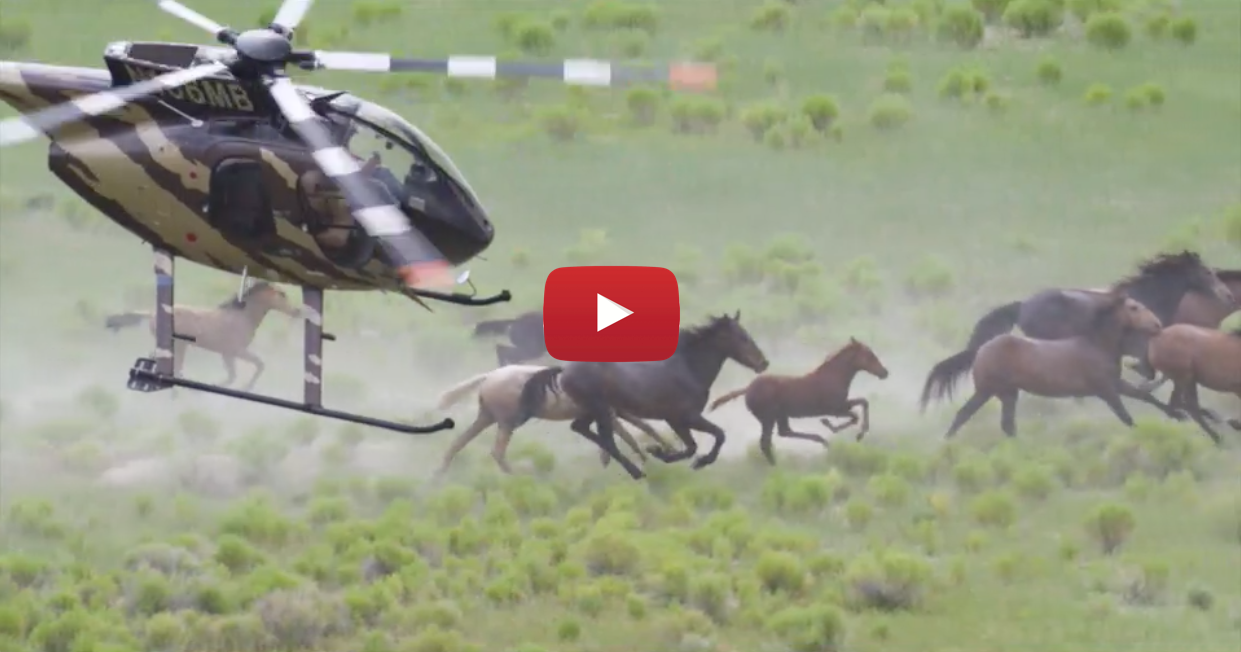
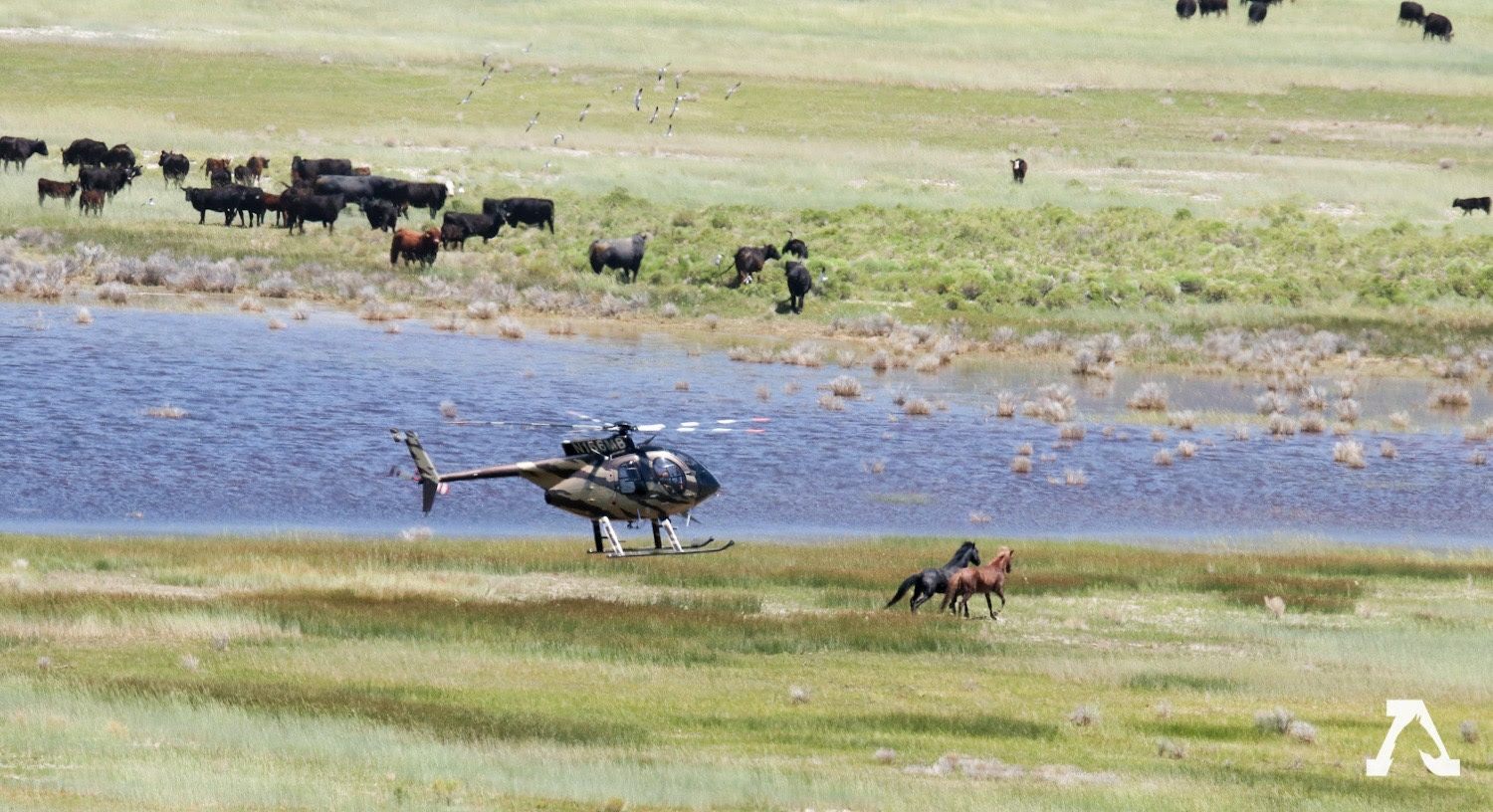
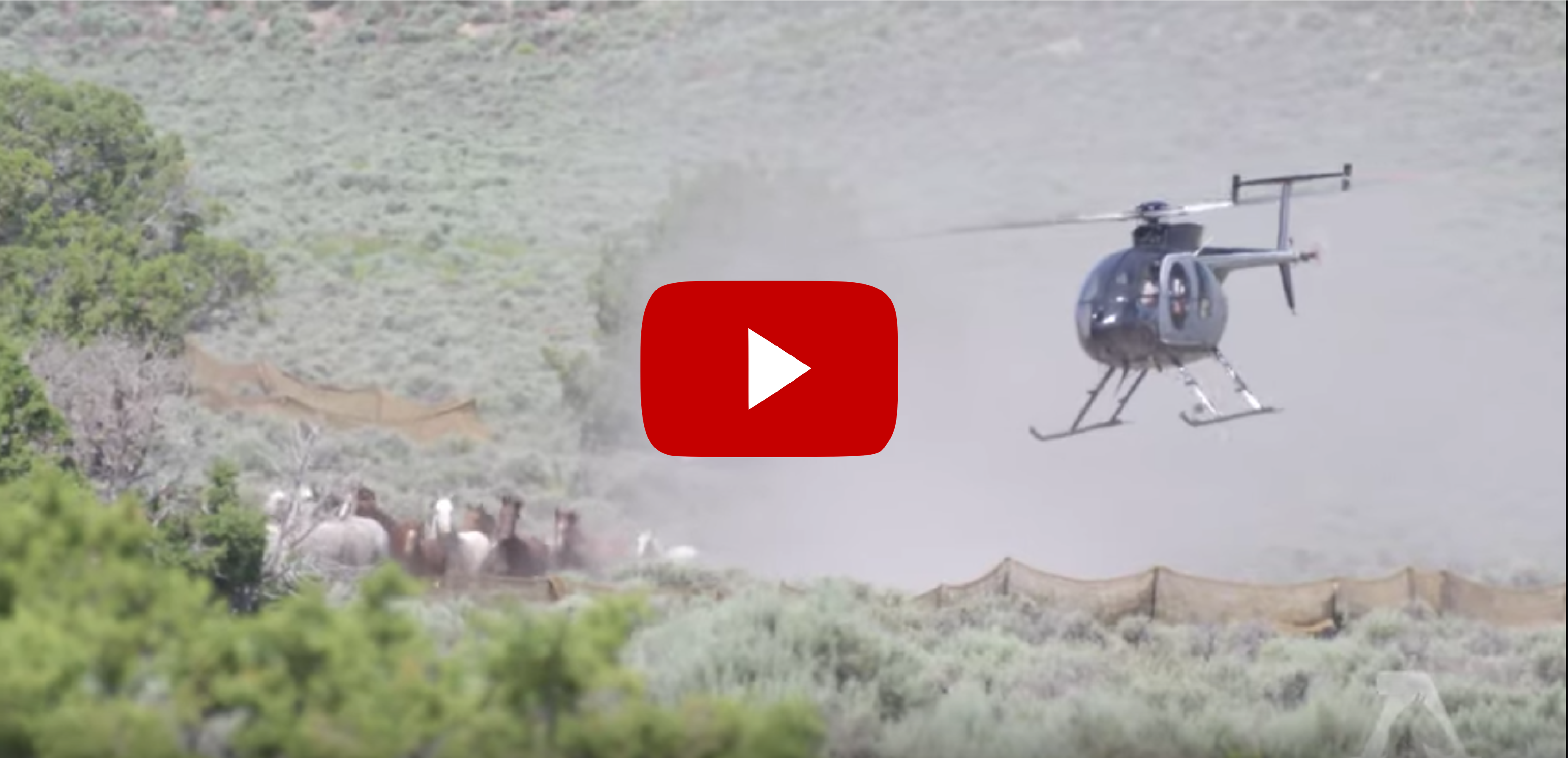
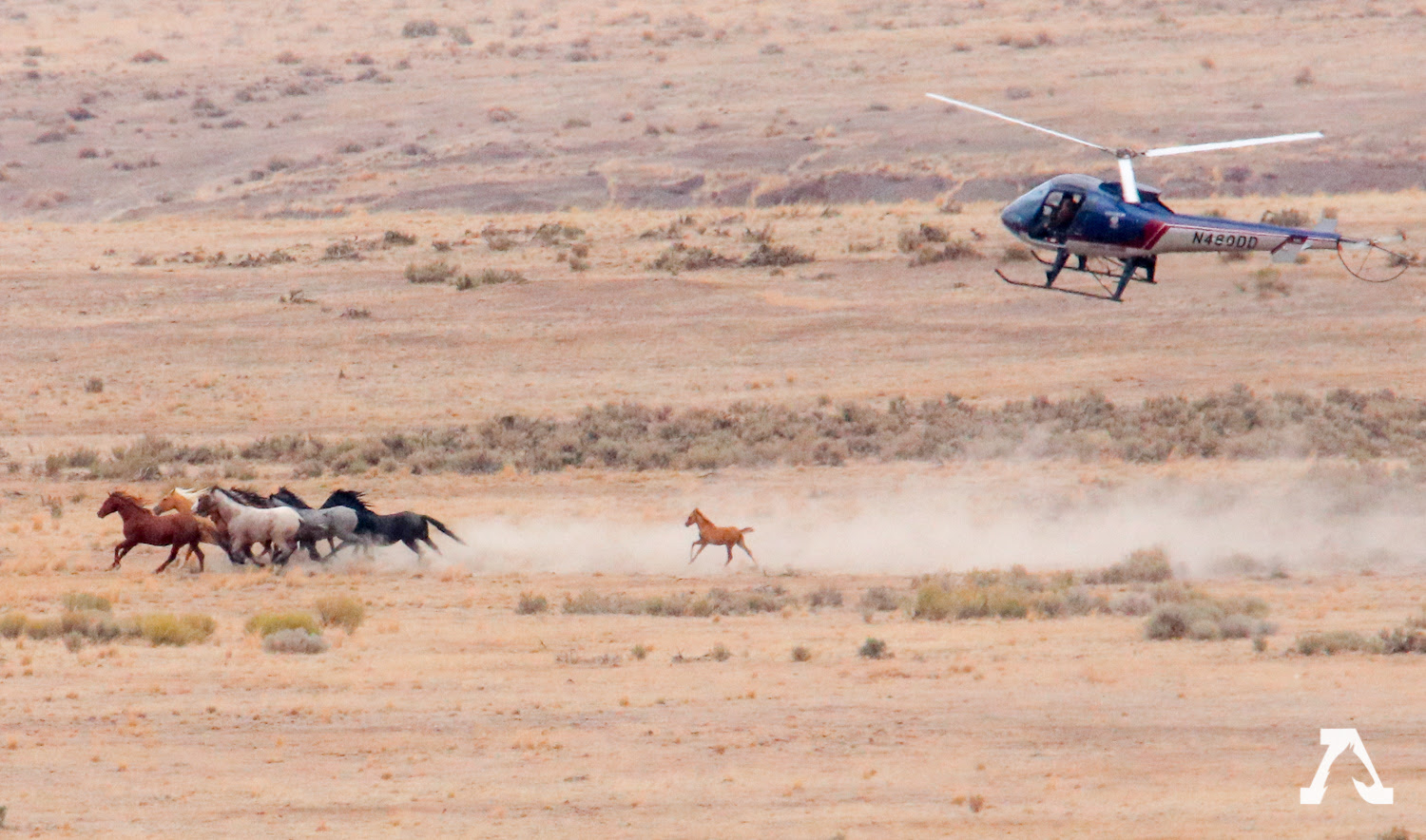
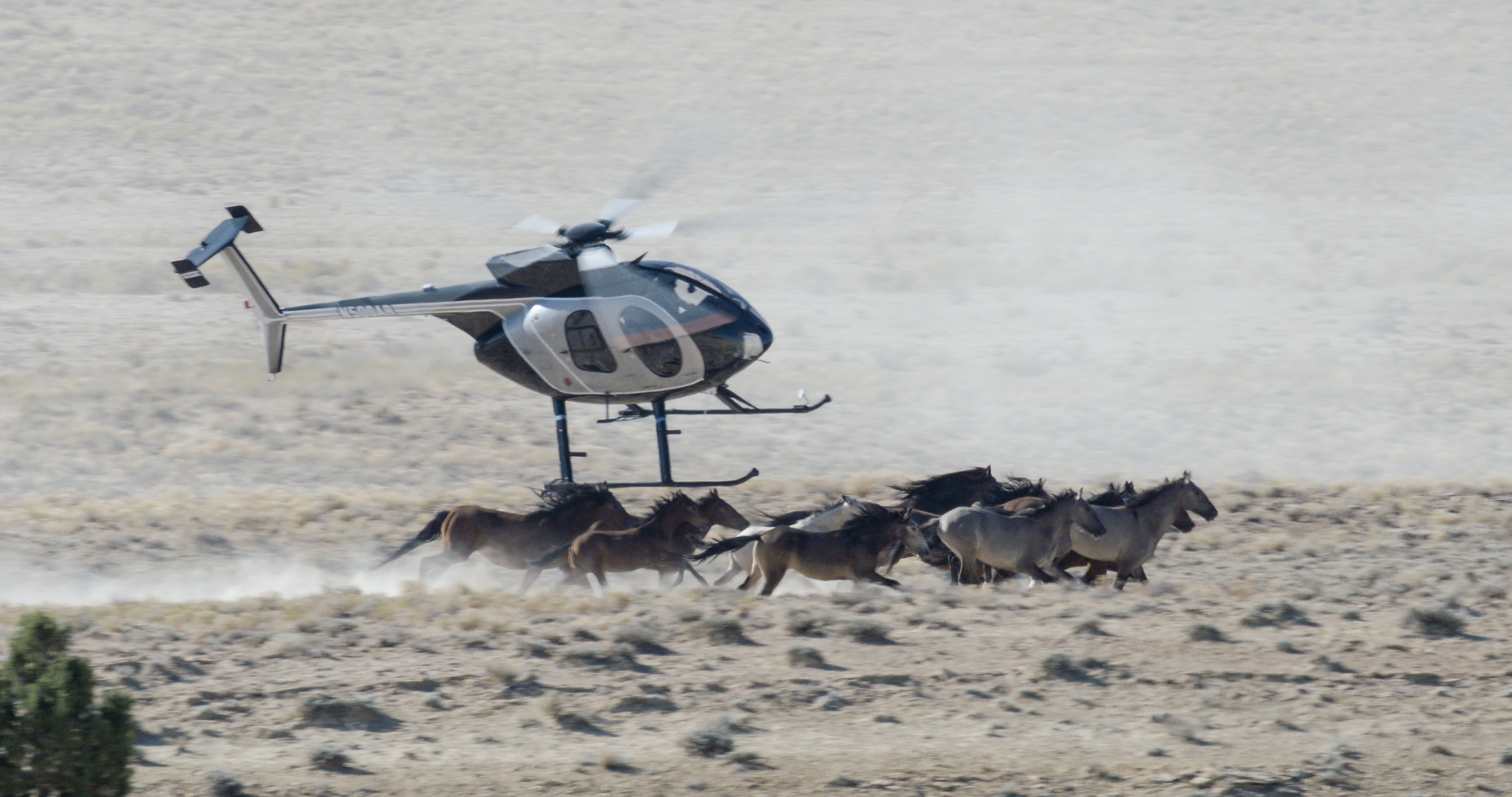
It’s hard to fathom the shocking reality of roundups unless you’ve witnessed one. Helicopters stampeding terrified herds across public lands in the brutal summer heat. Foals separated from their mothers, often dropping to the ground due to exhaustion. Crowded pens pulsing with masses of wild horses, trapped within.
When the Triple B wild horse roundup concluded last week, 802 horses were captured. Fourteen wild horses died.
That’s why we work hard to keep representatives in the field — present for every roundup — so we can document the stampede and keep you informed, as gut-wrenching as it truly is.
Below are images and videos we captured of the recent Triple B roundup.
This documentation demonstrates greed and cruelty, a reality in which private ranchers and commercial interests dictate what happens to your wild horses roaming your public land.
Earlier this month, we set an ambitious fundraising goal of $50,000 to document the BLM’s roundup season, which began in Nevada’s Triple B Complex. That was before this week’s Senate hearing on the BLM’s Wild Horse and Burro Program – a one-sided affair for cattle industry lobbyists, and not a single advocate for preserving America’s wild horses in the wild.
Thanks to you, we hit our $50,000 goal this week. The response from supporters like you has been an incredible boost during the hardest time of the year for wild horses. But to fight back against the stacked proceedings in the Senate – at the same time as the BLM’s terrifying and cruel roundups continue in the West – we’re now raising our goal to make sure everyone, from the American people to their elected leaders on Capitol Hill, sees how inhumane and unnecessary the BLM roundups really are.
Thanks to your support, we’ve been out at the Triple B roundup in Nevada these past few weeks — with heartbreaking photo and video evidence that will long outlast this roundup. Just over 800 horses lost their freedom at Triple B this month; 16 of them lost their lives. These include five tiny foals, one of whom was too weak to stand after withstanding a miles-long helicopter stampede and another who died of water toxicity, likely a result of the BLM’s failure to give the vulnerable baby electrolytes after an arduous run in summer heat left him stressed and dehydrated.
We’ll use this evidence for the battles ahead. This week’s Senate hearing wasn’t just about laying the groundwork for more roundups. The cattle industry lobbyists and BLM want money to surgically sterilize wild horses who remain in the wild, by castrating stallions and ripping out the ovaries of wild mares in dangerous and painful surgeries.
The cattle industry’s path forward leads to one place — mass destruction… of wild, free-roaming horses in the wild, and of those in captivity whose days will be numbered when the government funding to care for them runs out.
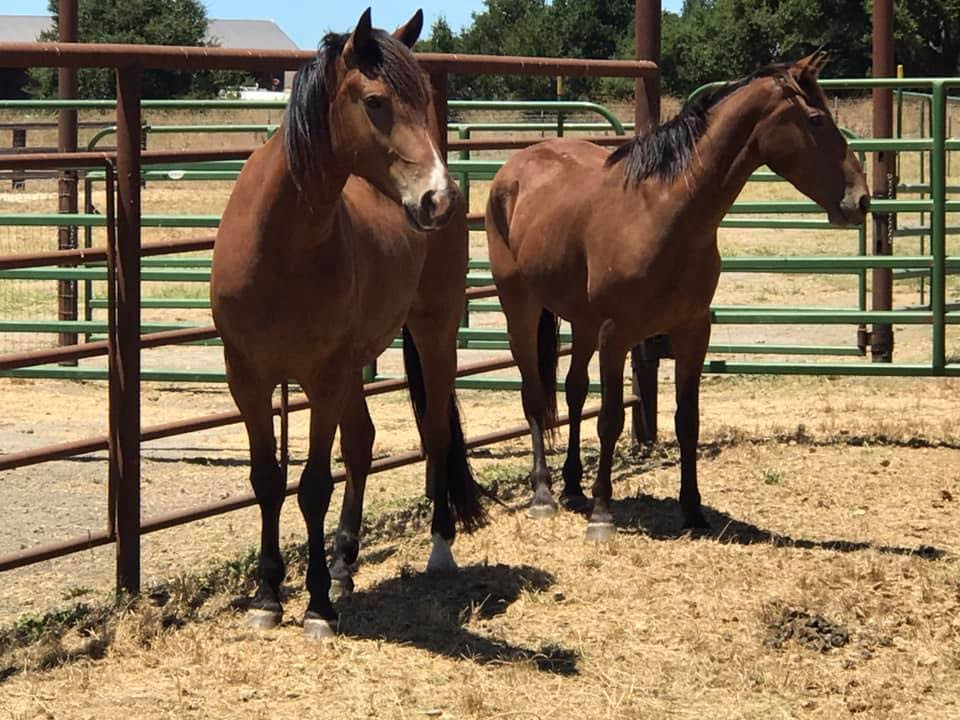
Six horses were in a kill pen in Oklahoma, one day away from shipping to slaughter, when AWHC supporters stepped in to save them. Yesterday, these lucky horses arrived in California, where they will spend the rest of their lives in a safe place.
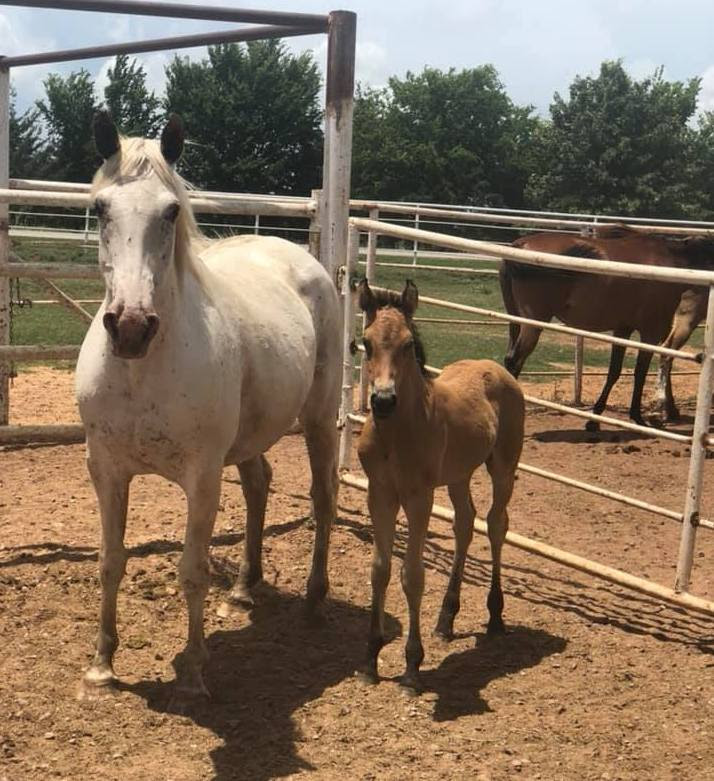
The “Oklahoma Six” are four BLM mustangs and a quarter horse mare and foal – just three weeks old! Earlier this week, you helped us raise enough money to bail them out from the kill pen and transport them from Oklahoma to two of our great sanctuary partners in California.
Three of the mustangs are young and unhandled. One is a 2-year old filly who was in the BLM’s holding facility in Pauls Valley, OK less than three months ago. Their quick turnaround from wild and free on the range, to BLM holding pens, to the slaughter pipeline tells a cautionary tale about the ultimate fate of the thousands of federally protected mustangs that are rounded up and removed from our public lands each year.
Thank you to everyone who stepped up to save these horses and to Chilly Pepper – Miracle Mustang for transporting them safely from Oklahoma to California. Special big thanks as well to our board members Alicia Goetz and Ellie Price and their sanctuaries – Freedom Reigns and Montgomery Creek Ranch – for giving these six lucky horses a safe place to live out the rest of their lives.
If you are receiving this email, you are uniquely positioned to push back against a dangerous plan on Capitol Hill that threatens the future of wild horses.
Tomorrow, the U.S. Senate Energy and Natural Resources Committee’s Public Lands, Forests, and Mining Subcommittee will hold an “oversight” hearing on the Bureau of Land Management (BLM) Wild Horse and Burro Program. Unfortunately, this hearing is completely stacked against wild horses and in favor of a plan that includes unprecedented mass roundups, surgical sterilization and stockpiling of mustangs in holding facilities.
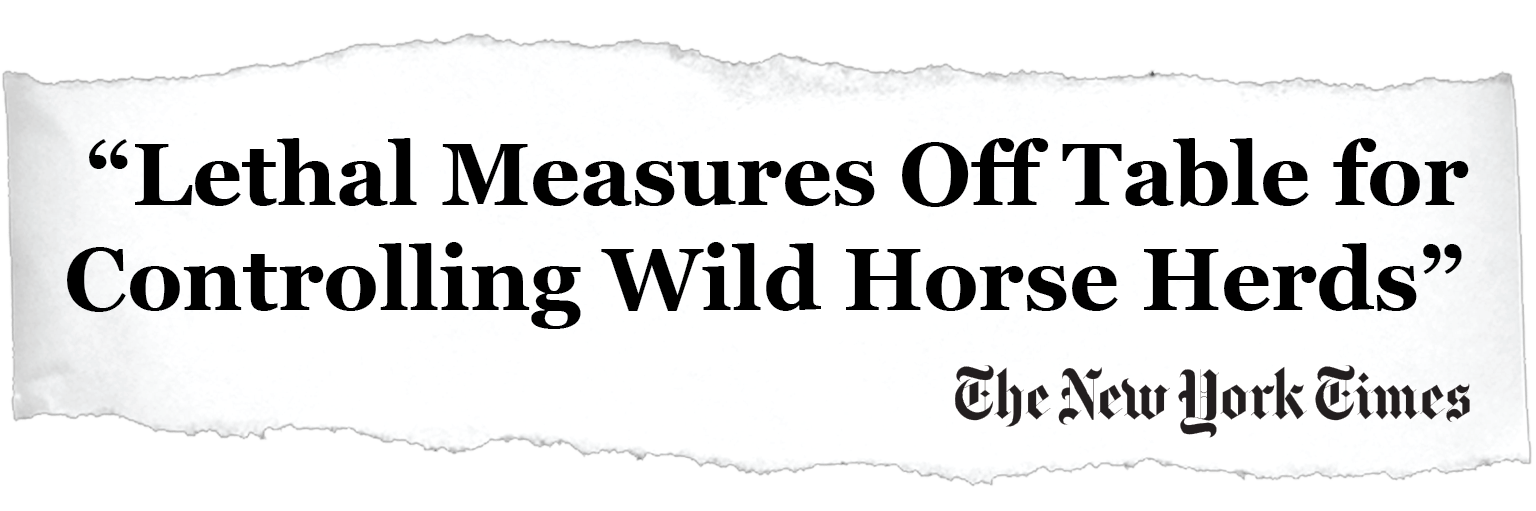
When we fight back to protect wild horses, it makes a real difference. In a huge win for our grassroots movement, the Trump Administration just announced that it will not pursue lethal measures – such as euthanasia or selling wild horses for slaughter – to manage America’s wild horse populations.
We’ve battled for three years to stop Congress from authorizing the mass killing of wild horses and burros. As always, we are the last line of defense for these national icons. The Administration’s policy shift shows that when we stand firm, we win!
It’s time to savor this news, but we cannot rest, because the Administration continues to pursue inhumane sterilization methods – such as surgically removing the ovaries of mares – that not only place the health and safety of wild horses and burros at risk, but also will take the wild out of these wild animals by destroying their natural behaviors.
This victory gives us hope for the battles ahead – it proves that actions we take to stand up for wild horses and burros make a real difference in the lives of these cherished animals.
Broomfield, Colo. – The Colorado Department of Agriculture has additional confirmed cases of vesicular stomatitis (VSV) in La Plata, Larimer, and Weld counties. The total count of premises under quarantine for VSV by county is outlined in the table below. CDA’s Animal Health division is updating this table with the latest data on its CDA VSV website.
As I write this, our field representative is out on Nevada public lands documenting the roundup of the wild horses living in the Triple B Complex. Roundup documentation is crucial work to hold the Bureau of Land Management (BLM) accountable for the devastating impacts of its inhumane management program to wild horses on our public lands.
These wild herds are at risk of being destroyed forever. The BLM’s 10-year plan for the Triple B and Antelope Complexes includes removing thousands of wild horses from public lands and castrating 50 percent of the stallions who remain in the wild, destroying their natural behaviors – the very essence of their wildness.
Here’s how we’re working to stop this cruelty: Last year we filed suit in the U.S. District Court in Nevada challenging the plan. Our case is currently with the Nevada Court of Appeals.
We’re also in the field to photograph, report, and monitor the situation on the ground. Our photos, videos, and reports hold the BLM accountable by informing the public and our elected leaders about the cruelty that is happening to America’s treasured horses on our public lands.
I apologize for the lapse in newsletters. For those of you who do not visit us via FaceBook, you don’t know what has been going on here so I will begin with an update.
In April we took in six donkeys from a sale barn who came to us very, very ill. Our vet prepared us for the fact that they might not all make it. The donkeys were diagnosed with influenza and another virus. One of them, only a baby herself, aborted her foal. Two weeks after that the mules who were not even near the donkeys, came down with strangles. (The donkeys did NOT have strangles) The whole farm was put in quarantine. We beefed up our bio security big time; hazmat suits for all, foot covers, gloves, bleach to clean EVERYTHING anyone touched. Foot baths outside every entrance to every barn, and a change of suits; clothing EVERY time we changed locations.
I am happy to report that the donkeys have all recovered. After being brought up to date with vaccinations and having their hooves, which were in horrid condition trimmed they will soon be ready to be adopted. We have negative test results on three of the mules, and two more will be tested next week. Hopefully they too will have negative results and be ready to go to new homes.
This ordeal has been incredibly stressful emotionally. It has seriously impacted our financial footing as well and it’s not over yet. We have incurred close to 9,000 in vet bills. We have been blown away by the amazing generosity of our loyal supporters. If not for this wonderful group of people I don’t know how we would have made it through this. I don’t have the words to adequately express our gratitude.
I would be remiss if I did not thank our amazing vet Kristen Clapp and uber technician Remington Morancy; they have been phenomenal. Thanks to State Veterinarian Steve Crawford for working with us as well. Of course super star Hannah Exel stepped right up to the plate and did whatever needed to be done. The help of our part time worker Kim Nelson and our Farm Fam pal Pomme took a bit of the load off as well. Wonderful SYA volunteer Pam Kissel willingly dressed in hazmat gear to make sure all the animals got groomed and some cuddle time. Those suits are like a wearable sauna. NOT FUN. In the thirteen years of running the rescue I have never had to deal with anything like this and hope to never have to again!
I hope to get back on track with regular newsletters.
Vesicular Stomatitis Case Confirmed in Weld County, Colorado
Stay informed!
Stay informed and help us protect your rights as Horse Owners
Join or Renew your Colorado Horse Council membership online today!
Did you know you can renew membership or become a new member online at the Equine City Hall? Just Click Here!
Save the postage and the time, and renew today!
Horses in Weld County, Colorado test positive for vesicular stomatitis
FOR IMMEDIATE RELEASE
July 5, 2019
Veterinarians and Livestock Owners Contact: Colorado State Veterinarian’s Office, 303-869-9130
Media Contact: Mary Peck, 303-869-9005, mary.peck@state.co.us
Broomfield, Colo. – Colorado has become the third state in the U.S. to have confirmed cases of vesicular stomatitis (VSV). Previous positive cases of vesicular stomatitis in 2019 have been diagnosed in Kinney and Tom Green counties in Texas and in Sandoval County, New Mexico.
On July 3rd, the National Veterinary Services Laboratory reported positive test results on samples submitted from two horses in Weld County. The two horses reside on separate locations in Weld County and have been placed under quarantine. The initial Colorado disease investigation was completed by a field veterinarian from the State Veterinarian’s Office at the Colorado Department of Agriculture.
“Vesicular stomatitis can be painful for animals and costly to their owners,” said Colorado State Veterinarian, Dr. Keith Roehr. “The virus typically causes oral blisters and sores that can be painful causing difficulty in eating and drinking.”
The Weld County epidemiological investigation indicates an incursion of VSV-infected insect vectors is the likely source of infection. Biosecurity measures and vector mitigation have been instituted on both locations to reduce the potential spread of the virus. The animals are being monitored daily and the index premises will remain under state quarantine until at least 14 days from the onset of lesions in the last affected animal on the premises. There are no USDA approved vaccines for VSV.
Vesicular Stomatitis Background
Vesicular stomatitis is a viral disease that primarily affects horses and cattle, and occasionally swine, sheep, goats, llamas, and alpacas. The transmission process of VSV is not completely understood, but includes insect vectors such as black flies, sand flies, and biting midges.
The incubation period ranges from 2-8 days. Clinical signs include vesicles, erosions, and sloughing of the skin on the muzzle, tongue, teats, and coronary bands. Often excessive salivation is the first sign of disease, along with a reluctance to eat or drink. Lameness and weight loss may follow.
Humans may become infected when handling affected animals, but this is a rare event. To avoid human exposure, individuals should use personal protective measures when handling affected animals.
Tips for Livestock Owners
Strict fly control is an important factor to inhibit the transmission of the disease.
Avoid transferring feeding equipment, cleaning tools or health care equipment from other herds.
Colorado veterinarians and livestock owners should contact the state of destination when moving livestock interstate to ensure that all import requirements are met. Contact information for all state veterinarian offices is listed here.
Colorado fairs, livestock exhibitions, and rodeos may institute new entry requirements based on the extent and severity of the current VS outbreak. Certificates of veterinary inspection (CVIs or health certificates) issued within 2-5 days prior to an event can be beneficial in reducing risks. Be sure to stay informed of any new livestock event requirements. See the Vesicular Stomatitis Guidelines for Shows and Fairs.
Important Points for Veterinarians
Any vesicular disease of livestock is reportable to the State Veterinarian’s Office in Colorado – to report call 303-869-9130. If after hours, the voice message will indicate which staff veterinarian on call.
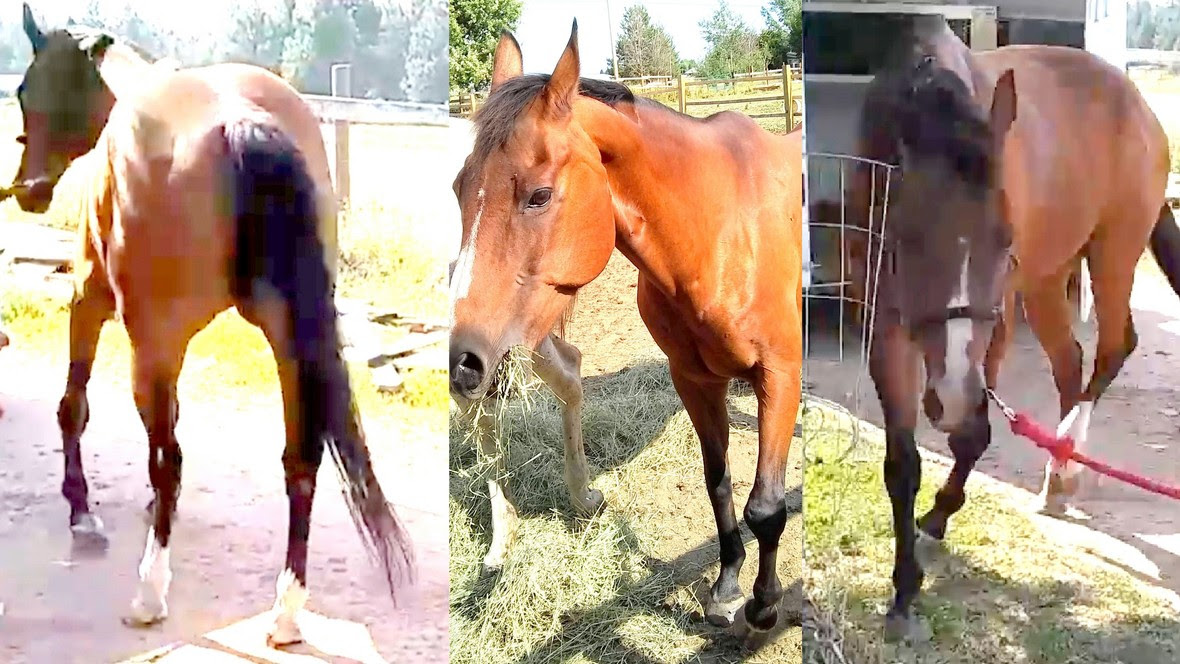
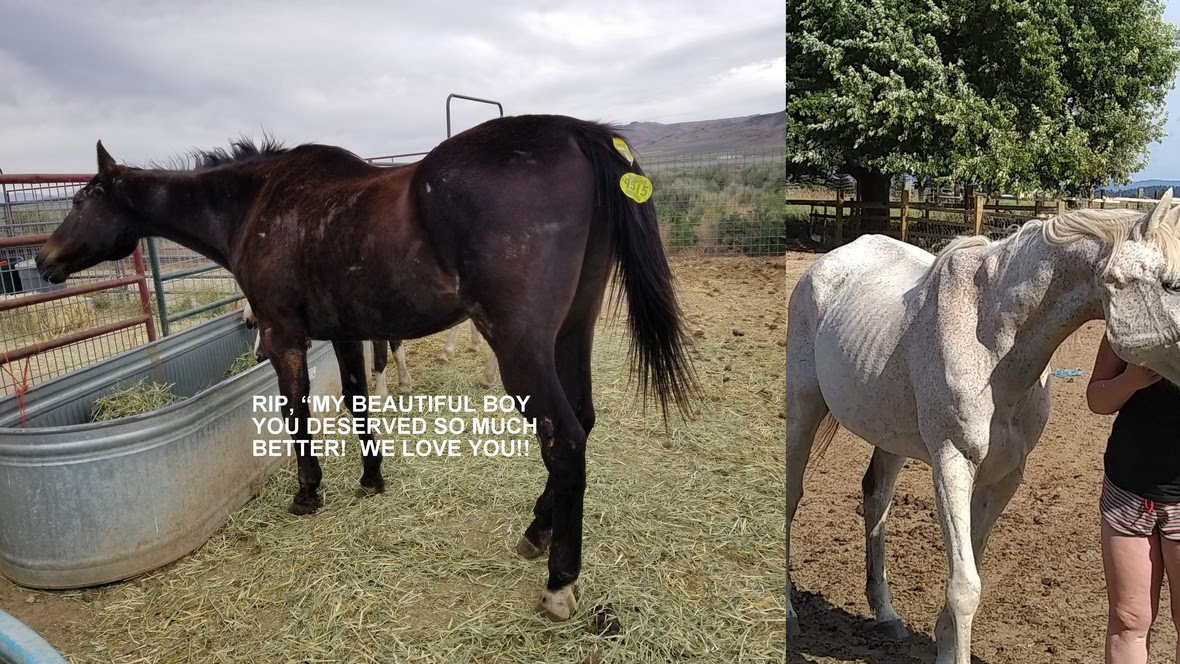
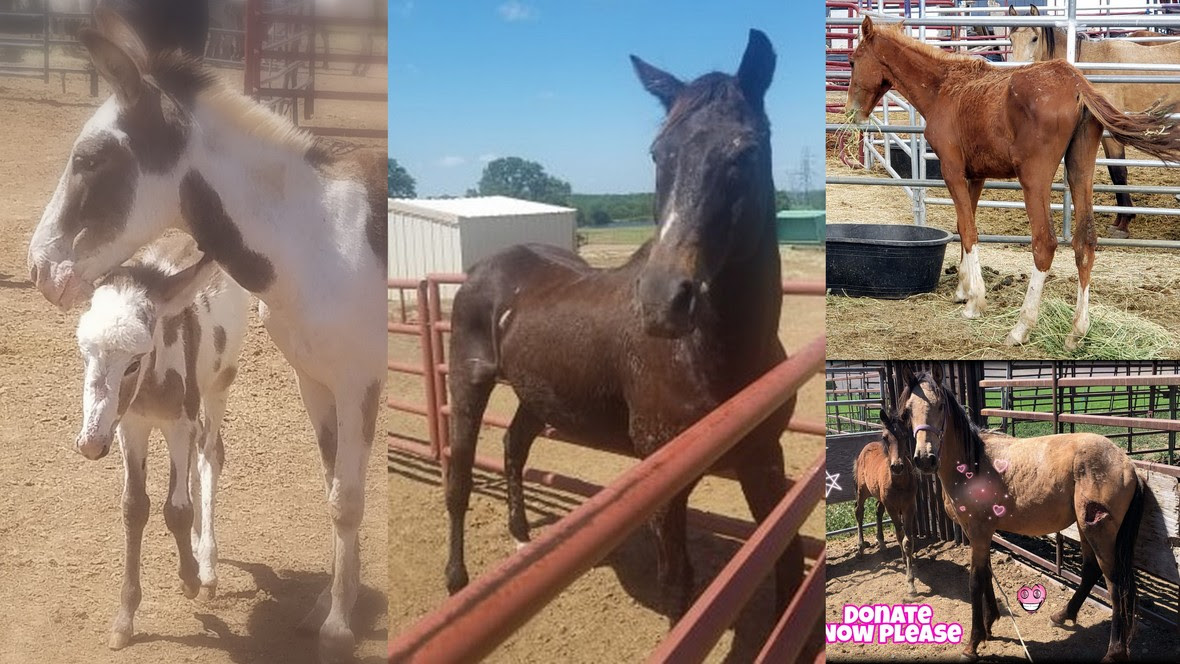
I am literally sick to my stomach and crying as I write this. The beautiful bay has a so called, “blown out knee”. We need to commit to save her right now. She is heading to the slaughter truck, if we don’t step up. Look at that leg, it has to be excruciating! That is how she stands (see middle pix).
I have to say I am saying YES, praying and believing that y’all would not let her down. Watching her move is beyond excruciating, and I cannot believe any human could leave a horse like that.
So she was headed to the slaughter truck, her knee basically broken, and in absolute agony. I am so angry and so sick. I just cried and cried when I saw her trying to walk. We need to call the emergency vet out asap, and I also told my person to GO AHEAD!. I am running on absolute faith, but the person who left this horse like this should be punished beyond belief.
On top of that we have her buddy, a 30 year old gelding who is slowly starving as his teeth are in beyond deplorable shape. He has horrible open sores in his mouth from his teeth poking into his gums, and is blind to boot. These horses have been through more pain than any horse should ever suffer. We were told the gelding has cancer, and you can see the tumors all over his head and neck.
We need to commit to both of these horses. AND, while I was writing this, I RECEIVED ANOTHER CALL about more orphans at the shipping yard.
SO WE NEED HELP, AND WE NEED IT NOW. PLEASE HELP US SAVE THESE 2 and provide what they need. I am sure the emergency vet will not be cheap, but we need to help this mare RIGHT NOW! Her pain ends tonight.
We also need to save the orphaned foals, bail them, vet them and get them home.
What a horrible way to live the “golden years”. Sometimes this is just way too much to even begin to deal with.
I told our person to call the vet, and again, I am absolutely running on faith. Faith that no one out there will let that mare suffer another minute more than she has to. Can you imagine walking on a broken leg with all that weight???? She can’t even bend over to get to water.
I know there are at least 2 more orphans, and we all know how those numbers can climb quickly.
_We had to put down “Our Beautiful Boy”, the one who was saved after Lucky Man got another home, prior to Matt picking him up. He too was in absolute agony and could barely even stand. He would have also been on the slaughter truck floor. _
There is way too much heartbreak. We had a $1000 vet bill from the last kids in WA, and they same day we had a huge bill in NV, and that is the day we had to euthanize Our Beautiful Boy; So between our last 2 vet bills, the ones we are incurring with these 2 kids, and the one for the new orphans, we will be hurting tremendously, and that is not even beginning to add up all the new expenses that will come with these kids.
I can only say THANK YOU, on behalf of all the horses you have saved. Especially from the ones who would have died during transport. The gift you have given these horses is amazing, and yes, once again I am asking you to help more horses.
It is definitely “GO TIME”!
WE NEED YOU TO SAVE THEM! PLEASE HELP IF YOU CAN!
Y’all are amazing, and YOU HAVE SAVED SO MANY LIVES! Thank you for always being there for the horses.
Thank you as always, for your amazing love and support. We treasure all our Chilly Pepper Family and appreciate the fact that YOU MAKE THIS ALL POSSIBLE! We will keep on fighting as long as we have the funds to make it happen, even though on days like today it is simply too much. :(
IF YOU WOULD LIKE TO KEEP HELPING US SAVE MORE LIVES, YOU CAN GO TO:
WIN (WILD HORSES IN NEED) is a 501c3 IRS EIN 55-0882407_
If there are ever funds left over from the cost of the rescue itself, the monies are used to feed, vet, care for and provide shelter and proper fencing for the animals once they are saved.
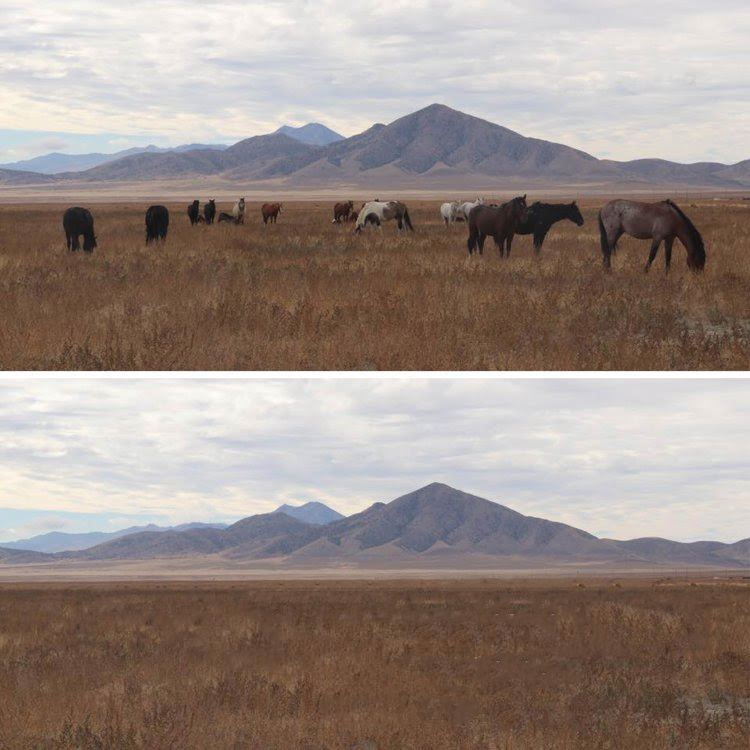
In just days, the Bureau of Land Management (BLM) will send helicopters into the Triple B Complex in eastern Nevada to capture and remove 800 wild horses from the public lands they call home. Over the next 10 years, the BLM plans to reduce the wild horses in this area to one mustang per every 4,800 acres while allowing intensive commercial livestock grazing to continue on the public lands designated as wild horse habitat.
July is the hardest month for wild horses in the American West. That’s when the Bureau of Land Management (BLM) begins its summer roundup season. It’s also the time of year when most bands have young foals and temperatures kick into the triple digits.
For hundreds of wild horses, July means the end of freedom. Families will be torn apart and chased for miles to the brink of exhaustion, then thrust into crowded pens where they’ll await a future in which the odds are stacked against them. And, this is just the beginning. Across the West, the roundups will continue through March.
Your support will help us hold the BLM accountable – and raise public awareness about what is happening to the wild horses and burros so many Americans cherish.
Our field observers are the eyes and ears for the public at roundups. We need resources to keep observers on the ground to document the cruelty that occurs at during these remote operations.
Our advocacy and policy programs address the underlying causes that perpetuate this inhumane and costly management practice.
Our fertility control programs provide a model for humane management that focuses on preventing large scale roundups in the future.
Our lawsuits challenge the BLM’s flagrant disregard of federal law protecting wild horses and the environment.
These are the last weeks of freedom for hundreds of wild horses in the West.
Just days after July 4, when America celebrates freedom, the Bureau of Land Management (BLM) will use helicopters in terrifying and often fatal roundups to rob hundreds of wild horses of their freedom.
Once captured, these iconic symbols of American freedom will be held in captivity for the rest of their lives. Of those who survive the roundup, many will then die in holding facilities in the weeks and months to follow. In holding facilities, the threat of slaughter looms large over their heads as the BLM captures more and more wild horses and burros from the wild and warehouses them at taxpayer expense.
In last summer’s roundups, foals were separated from their mothers and literally run to death. Helicopters ran horses into barbed wire and chased them for miles until they collapsed.We were there to make sure every abuse was documented.
Frequently, we’re the only public eyes and ears at these roundups. Documenting this cruelty and holding the BLM accountable is a fundamental step to creating change. Now we must build the resources necessary to be out on the range again, so we can document the roundups and the cruelty that will undoubtedly occur over the next few weeks.
As July 4th approaches, please remember the majestic wild horses who are living their last weeks of freedom, unaware of what’s to come.
These are the last weeks of freedom for hundreds of wild horses in the West.
Just days after July 4, when America celebrates freedom, the Bureau of Land Management (BLM) will use helicopters in terrifying and often fatal roundups to rob hundreds of wild horses of their freedom.
Once captured, these iconic symbols of American freedom will be held in captivity for the rest of their lives. Of those who survive the roundup, many will then die in holding facilities in the weeks and months to follow. In holding facilities, the threat of slaughter looms large over their heads as the BLM captures more and more wild horses and burros from the wild and warehouses them at taxpayer expense.
In last summer’s roundups, foals were separated from their mothers and literally run to death. Helicopters ran horses into barbed wire and chased them for miles until they collapsed.We were there to make sure every abuse was documented.
Frequently, we’re the only public eyes and ears at these roundups. Documenting this cruelty and holding the BLM accountable is a fundamental step to creating change. Now we must build the resources necessary to be out on the range again, so we can document the roundups and the cruelty that will undoubtedly occur over the next few weeks.
As July 4th approaches, please remember the majestic wild horses who are living their last weeks of freedom, unaware of what’s to come.
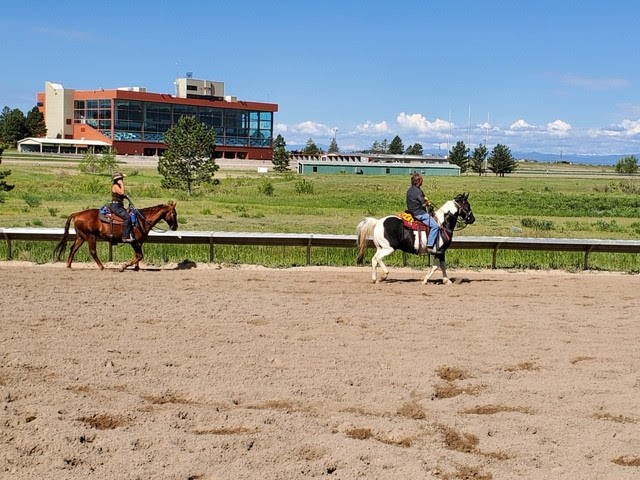
This year’s Heritage Ride was a success! Participants enjoyed riding their horses on the Arapahoe Racetrack and watching the Arabian, Thoroughbred and Quarter horses race.
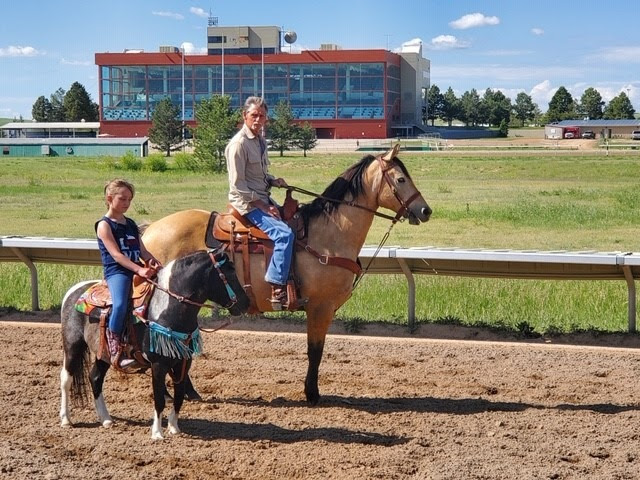
Riders took their horses through the Colorado Obstacle Challenge Series and 10 people won Cinch western shirts as a prize for their participation in the poker ride.
“The barn tours gave participants behind the scenes access to the racetrack and the opportunity to learn the innerworkings of the industry,” said Bill Scebbi, MNM, executive director of CHC.
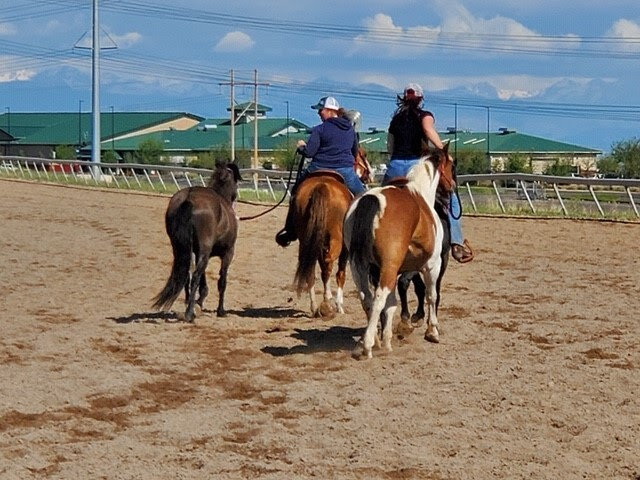
CHC thanks everyone who participated and continues to support Colorado’s equine industry.
Save the date for the next ride! The CHC will host a ride in Douglas County on September 7. More details to come.
You can still participate! Donate Here to help support the work of the Colorado Horse Council.
It’s not too late to renew your CHC membership this year! Renew today to benefit from exclusive member opportunities, services and discounts for the rest of the year.
Here are a few ways that your membership makes a difference:
-Membership fees help pay lobbyists to promote equine interests at the State Capitol
-Allows you to make informed decisions with legislative updates about the equine industry
Here are a few ways your membership directly benefits you:
-$1 million worth of excess liability insurance for equine activities
Microchipping your horse is more important than you may think. The grain-of-rice-sized chip can prevent theft, help recovery after disasters and gives your horse a permanent ID.
An estimated 40,000 horses a year are taken from their owners either by strangers or opponents in civil or legal disputes. Microchipping your horse allows you to report he/she as stolen and help authorities find your horse much easier.
After the chaos of a natural disaster, a microchipped horse is much easier to locate and return to you. As Colorado residents, we face the threat of fires, floods and tornadoes. Your horses could go missing in these disasters and an unchipped horse could be impossible to return to the correct owner.
Finally, it’s affordable. The microchip and lifetime registration is $20 through the Colorado Equine Microchipping program. From there, you can call a veterinarian at your convenience to insert and register the microchip. A horse microchipped through the Colorado Equine Microchipping Program will meet all the required criteria to register for events and races.
Looking for a unique way to support Colorado’s equine industry? Purchase a “Support the Horse” license plate for $30. All proceeds fund statewide research, education and promotion that enhances the equine industry in Colorado.
This year we are making it easier than ever, the process is now online. This makes the program more secure and easily accessible. Here are the simple steps to get started:
MARE # 2 WAS OUR “BONUS MARE”. She is in extremely critical shape. Please say a prayer for her! Her colt is also absolutely starved :(
PLEASE NOTE – OUR NEW MAILING ADDRESS IS
CHILLY PEPPER
_ PO BOX 233 _ GOLCONDA, NV 89414
It never seems to end. YOU made it possible to save the original 4 pregnant mares. During that rescue, we were given the option to save the emaciated mare you see in the above photo. There was no way we could leave her, or her starving colt, behind :(
In all honesty, she may be too far gone and have too much damage to her organs from being so starved. However, we will give her every single chance to get healthy and have a life. She will need blood work and to be seen by a vet.
We have stepped in for so many starvation cases, but sadly we have had 4 or 5 where there was simply too much damage done to their organs. Honey Bandit was definitely a miracle. If you haven’t seen his story, you should, if you want a reminder of the miracles that can happen. So we won’t quit, unless the horse asks us to respect that they are “done”. They will ALWAYS tell you.
Here is the link to his story. https://www.youtube.com/watch?v=sO2CFim0AYs. Just copy the link and put it in your browser. Then get your tissues and remember he is a happy horse today. He does have some issues, but none that bother him :) or that he is aware of.
GOOD NEWS on Lucky Man. We paid his fees, and YOU kept him off the slaughter truck!! Where it gets even better is this. Before Matt picked him up, someone saw the post and wanted him. So not only did you keep him off the truck, it bought him time to find another home, AND, IT ALLOWED US TO SAVE ANOTHER “direct ship child”.
So instead of saving 4 mares, plus their unborn foals, we saved 4 mares, the emaciated mare and her very thin colt, a 2 year old with a horrific injury, another colt, AND Matt is currently bringing home another 7, (not 5) horses that were ALL saved from slaughter. So the rescue of 9 turned into FIFTEEN!
Of course all the extra kids put a huge dent in the funds that were raised, so once again we need folks to help us get them all vetted, get the special feed & additional vet care they need, and simply get them home.
Y’all are amazing, and YOU HAVE SAVED SO MANY LIVES! Thank you for always being there for the horses.
Thank you as always, for your amazing love and support. We treasure all our Chilly Pepper Family and appreciate the fact that YOU MAKE THIS ALL POSSIBLE!
IF YOU WOULD LIKE TO KEEP HELPING US SAVE MORE LIVES, YOU CAN GO TO:
WIN (WILD HORSES IN NEED) is a 501c3 IRS EIN 55-0882407_
If there are ever funds left over from the cost of the rescue itself, the monies are used to feed, vet, care for and provide shelter and proper fencing for the animals once they are saved.
Broomfield, Colo. – On June 24, 2019, the Texas Animal Health Commission announced a confirmed case of Vesicular Stomatitis Virus (VSV) in a horse located in Kinney County. While several hundred miles from Colorado, the case is concerning to livestock owners in Colorado due to the potential of a northward movement of the virus throughout the summer.
The transmission of VSV is not completely understood but includes insect vectors such as black flies, sand flies, biting midges, as well as mechanical transmission and livestock movement.
“This recent confirmation of VSV in Texas serves as a reminder that livestock owners must be vigilant in safeguarding their herds from this virus,” said Colorado State Veterinarian, Dr. Keith Roehr. “Now is the time to start thinking about disease mitigation practices to protect Colorado’s livestock.” Learn more
To stay informed of equine diseases and equine health across the country and in your area, please refer to the
The Colorado Horse Council work very closely with the Colorado Ag Department and the the Equine Disease Communication Center to be certain the Colorado equine community is aware and informed of important information regarding your animals health.