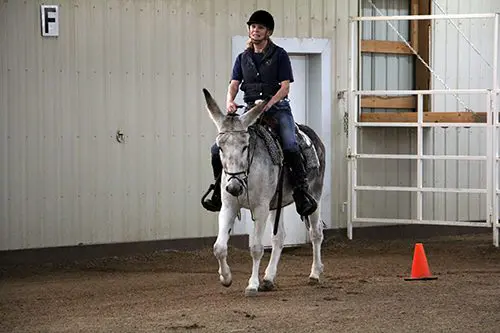
MULE CROSSING: The Language of Longears
By Meredith Hodges
Many of you know me as the foremost authority on the contemporary saddle mule, but what you may not know is how I earned such a title. Most of us who have become trainers began by riding and showing. Through our success, we gained recognition and subsequently clients who brought their animals to us for training. Our success with their animals posed a question for each of us at a critical stage in our careers and we had to make a decision whether we were going on the road to do clinics or something different. I opted for something different!
 Instead of going on the road to do clinics, I thought long and hard and decided to do an equestrian correspondence training course instead. I opted for this after considering that when I went to clinics as a student, I was one of 20 people and only got limited attention during those clinics. When I put into practice at home what I had learned at the clinics, I realized that I had only received the highlights of training and it was full of holes! When I tried to contact the clinicians to ask a question, I was either answered by someone in the office, or not answered at all. The clinicians were most often too busy and out of touch. The one thing I didn’t realize by making this decision was the incredible learning opportunity I had opened up for myself that I could, in turn, pass on to my clients.
I did my resistance-free video training series in as much detail as I could possibly muster. Each video represents a year’s worth of training, but as we all come to know, you can never know everything. The more you learn, the more you learn what you don’t know. I did learn fairly quickly that the relationship between equine and owner is unique to those individuals. That is, I realized it made more sense that I teach people how to train their own animals. After all, you wouldn’t ask someone to go out and make a friend for you? The relationship is truly your own and I adopted the policy that as a trainer, my responsibility would be to guide people through the process of training their own animals for the best possible results. This has proven to be true far beyond any expectations that I might have had!
This decision afforded me more time at home where I could communicate with others and help them with their animals. It also afforded me more training time with my 30 head of mules, horses and donkeys. I have always done the training of my own animals myself. I had an assistant for awhile who kept the old school masters and other broke mules exercised from time to time. However, the actual training of the mules I did solely by myself because I wanted to keep learning new things that would enhance my training program and make it better. The new things I learned I documented in the form of books, videos and television shows. What began as a quest to train and show mules in every equestrian discipline expanded beyond my wildest dreams!
 When they told me mules would not work well in a snaffle bit, I learned how to make that work. When they said they were not suitable for Dressage, I based my entire training program on those principles. When they told me not to give food rewards, I paid my mules for their efforts with a generous reward of crimped oats. When they told me not to talk to my equines, I spoke three languages to them: verbal language, body language and “touch” language. I can truthfully say that today I realize that it wasn’t the mules that were so stubborn, but rather…it was me! This positive kind of stubbornness did pay off, as I was to soon discover.
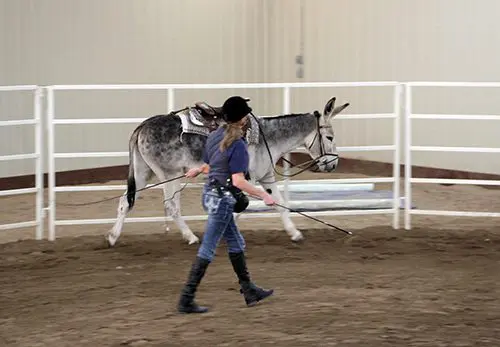
Beginning with the “A B C’s” (walk, trot, canter, whoa, back), my verbal language with them evolved over time into actual conversations. The tone of my voice indicated my pleasure or displeasure with their actions. Calling their names and then stating a command prompted their immediate attention. When working with multiple animals, phrases like “Get back on the rail!” and “Stop kicking your brother!” initiated a positive response and validated my expectations that they could indeed understand what I was saying beyond the normal commands. I watched their reactions to the tour guests we had at the ranch as they walked through the barn and met these animals. If a guest made a remark, the animals responded with an appropriate show of emotion. If it was a snide remark, they would lower their heads and splay their ears in a most dejected way. A positive remark would elicit a show of attention with ears perked toward the person who made the comment. This has shown me that they do understand English, even if they cannot speak it!
Body language is probably the most important of all the “languages.” These animals will mirror you and react to what your body is telling them. If you position yourself in front, you can turn them or stop them. If you walk up to them in an aggressive way, they will show fear. If you go to a gate or the stall door and wait with an inviting attitude, they will come to you. Of course, learning accurate body language is a responsibility that we must put upon ourselves to really be effective. I just watched the reactions of my animals to everything I did and said. If I received a negative response, I would change my approach until I got it right. When I got it right, so did they!
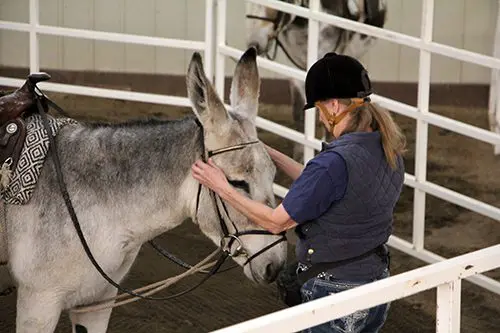
“Touch” language is simply how you touch your animal whether it is with your hand, a grooming tool or a whip. Touch needs to be empathetic but firm enough to do the job. Touch is a powerful tool. It can be soothing and relieve anxiety. It can be pleasurable or painful. Touch can indicate direction depending on how it is used. We begin with imprinting, or touching of the foal all over its body, but this is not the beginning and end of imprinting. Imprinting sets the stage for the kind of interaction you and your equine will have during your entire life together and can often bridge a gap of misunderstanding when the other two languages are not working. Never was this more apparent to me than just recently!
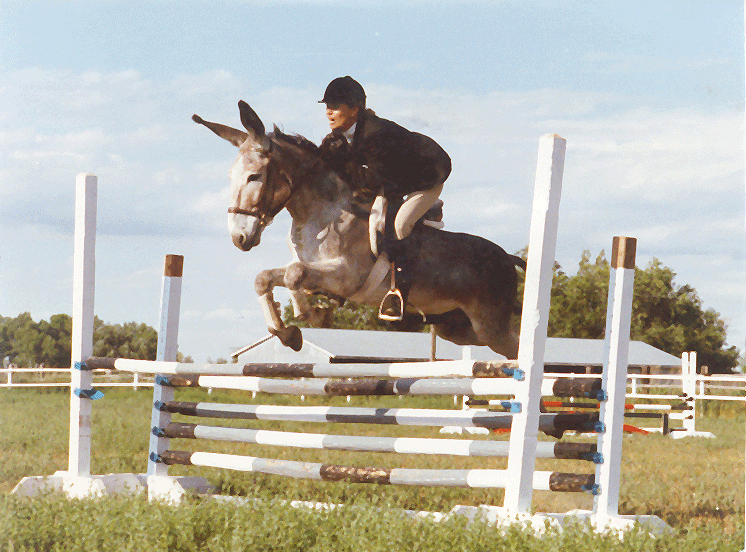
 Little Jack Horner had gone through my entire training series right along with my mules and had learned everything that I taught them. He may not have made it to Fourth Level Dressage, but he made it to Second Level Dressage with gait lengthening and lateral work. He overcame his “donkey” behaviors and gave a phenomenal performance, jumping four feet in exhibition at Bishop Mule Days. His Reining was accurate though somewhat limited by his donkey conformation. Still, he could always elicit a supportive laugh and a wide grin! He competed successfully at dressage driving shows and won world championships in driving at Bishop Mule Days.
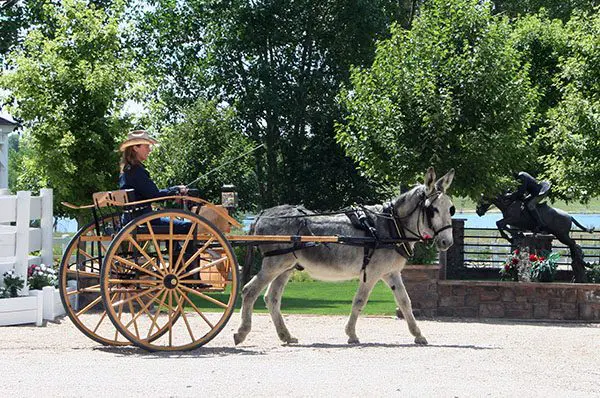
Little Jack Horner was to star yet again in the making of my biography, our latest Those Magnificent Mules documentary project. I doubt that I had driven Little Jack Horner in fifteen years. In fact, since he turned twenty, he had not done much but take part in more sedate roles in our TV shows and videos with an occasional bareback ride around the ranch. At 30 years old, I wasn’t really sure how he would react to being hitched to the Meadowbrook cart again after so many years, so I thought I had better do a dress rehearsal.
During the dress rehearsal, I discovered that Little Jack Horner didn’t know what to do once I put on the harness. He was tied in the tack barn and when I tried to ground drive him forward, he just backed up until he was out of the building, then he went forward to the hitching area. I was rather puzzled. Still, I went ahead and hitched him to the cart and we stood there for some photos before I backed him from the hitch rail. I verbally asked him to go forward…nothing. I did not have my driving whip with me, so I used the end of the reins on his fanny to move him forward which he then did, but kept going straight until he ran into the fence and stopped.
I thought this was very strange, so I asked my ranch manager to get my driving whip. With the whip in hand, I began to talk to him with the whip. A simple tap to the side and he turned from the fence. Another tap in the middle of his spine sent him smartly forward at an animated walk. Another tap to the other side turned him the other way and we were soon doing figure eights, stopping, backing and driving as if there was never a problem at all. During the film shoot, he did all these things and even offered several hundred feet of trot before he was too tired to continue.
 It was during this experience that I realized that Little Jack Horner had become deaf and could not hear one word of what I was saying, even when I was yelling. I was sitting in the Meadowbrook cart, he had blinders on his harness bridle and could not see me, so verbal language and body language were of no help to him at all. Lucky for us, we still had the “touch” language that we had developed between us and we thoroughly enjoyed the experience of driving yet again.
It is evident to me that every detail that I had taken the time to learn in our 30-plus years together culminated in the results I see now with all of my equines. We have learned so much about each other! Now that we are all a lot older, a lot slower and a lot less coordinated, we are still afforded the luxury to continue to learn and grow together in a safe and enjoyable way. It doesn’t get any better than this!
To learn more about Meredith Hodges and her comprehensive all-breed equine training program, visit LuckyThreeRanch.com, MEREDITH HODGES PUBLIC FIGURE Facebook page, or call 1-800-816-7566. Check out her children’s website at JasperTheMule.com. Also, find Meredith on Pinterest, Instagram, MeWe, YouTube and Twitter.
Covered in TRAINING MULES & DONKEY: A LOGICAL APPROACH TO TRAINING, TRAINING WITHOUT RESISTANCE, EQUUS REVISITED and A GUIDE TO RAISING & SHOWING MULES at www.luckythreeranchstore.com.
© 2010, 2011, 2016, 2024 Lucky Three Ranch, Inc. All rights reserved.
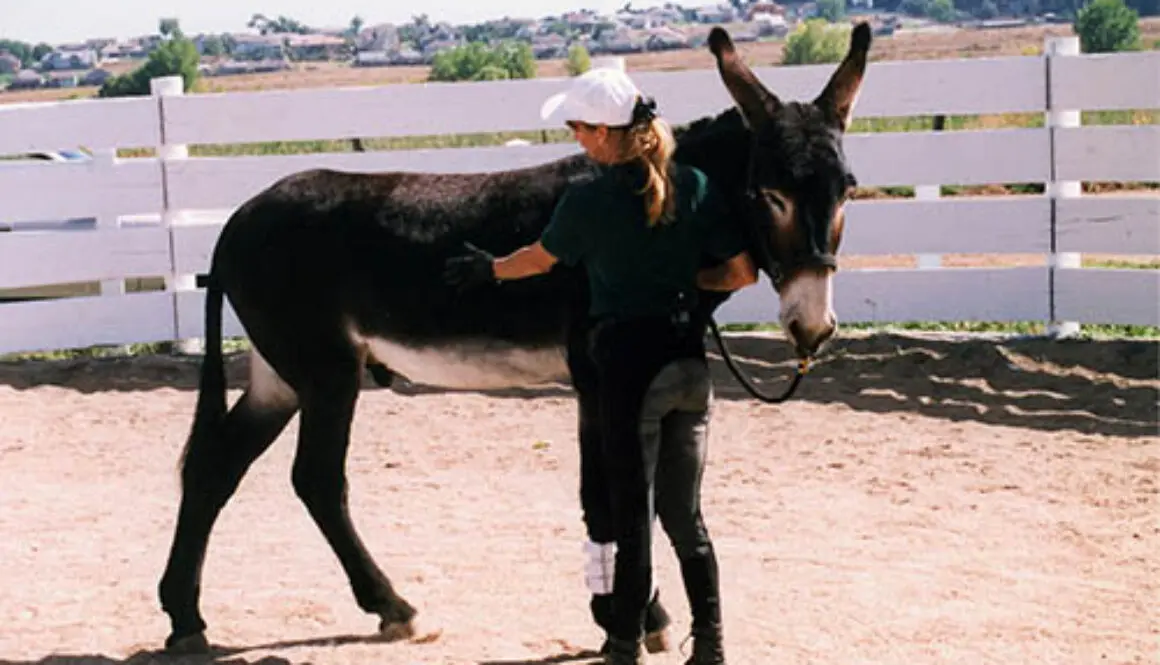
 By Meredith Hodges
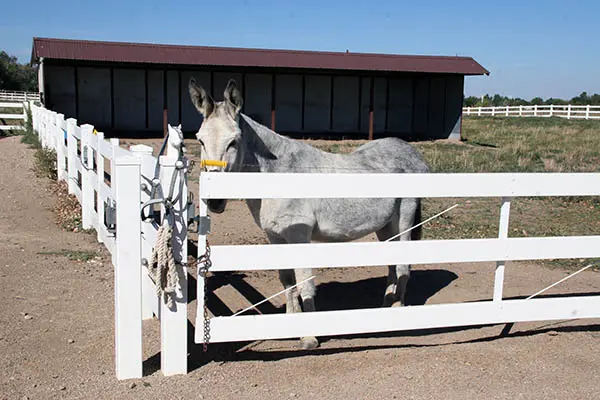 jack has a roomy area, free of refuse and debris, and adequately fenced. The fences should be high enough to discourage his leaning over the top and strong enough to bear his weight on impact. Also, they must be constructed so that there are no protrusions that could cause him injury. If females (or other animals) are present, the jack may run back and forth along the fence and catch his head on anything that is protruding. Hot wires along the inside of a weaker fence will often serve this purpose. However, a hot wire used alone is not sufficient. If your jack becomes frightened, he could run through an electric wire before he even knows that it is there. Giving him a clean, comfortable area where his limits are clearly defined will help him to be a calmer and more manageable animal.
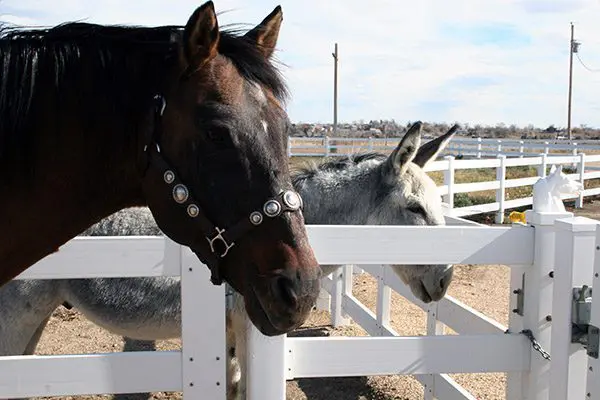 Many people opt to keep jacks in solitude, but this is not really good for them. Being a natural herd animal, they need social interaction. When they don’t have company nearby, jacks can become depressed (donkeys have actually been known to die from depression—they can stop eating and simply give up). To remedy this, jacks can be pastured or penned next to other animals, as long as the fencing is adequate between them. Of course, you also need to take into consideration the personality types of the animals involved, as well as being careful to make sure they are compatible. This can fulfill their need for companionship and keep them happy in confinement. As long as there are no cycling horse or donkey females around, jacks can be pastured next to mules of both genders. I had my own jack, Little Jack Horner, penned next to our teaser stallion for many years and they actually liked each other! We never had any trouble with them at all.
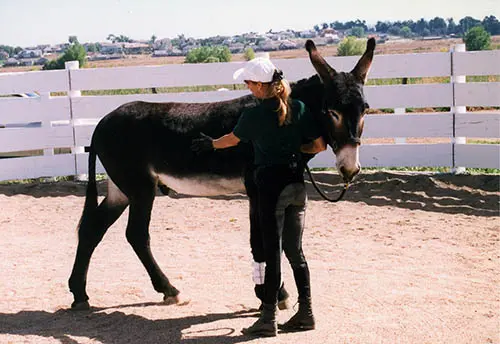 When he is flawless with his leading training, you can get him used to the bridle and a surcingle or lightweight saddle, and then move on to ground driving. Lunging is not as important, since most donkeys do not like to lunge. I suppose they don’t see much purpose in going around in a circle more than once to come back to the same place over and over again. Taking the time to properly train your donkey jack at halter and in the drivelines will enhance his obedience, and will make him more comfortable and relaxed. During the breeding process, it can even speed up his readiness.
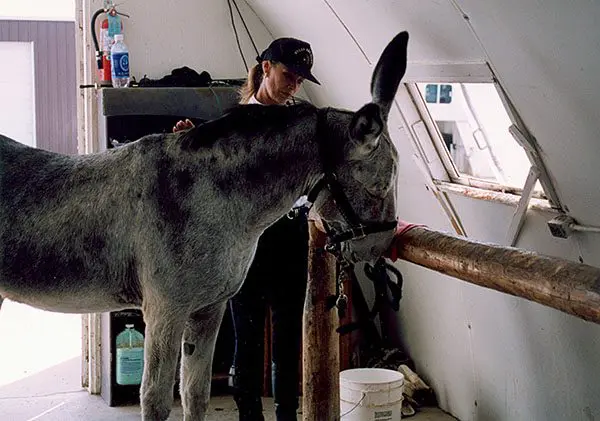 or out the door). If you are going to breed him, the mare should first be prepared. Next, once you are both out the door, ask him to whoa and square up all four feet. Then you can lead him to the breeding area, where you can then tie him to the hitch rail a little ways away from the waiting mare. By being consistent in your manner of going from the stall to the breeding area, the jack will learn not to be pushy and aggressive toward you.
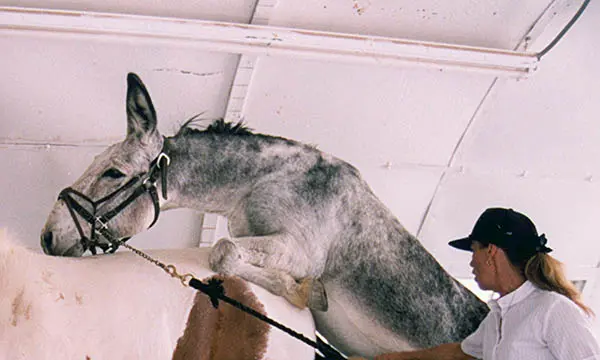 Just to be on the safe side with your jack while breeding, use either a muzzle or a dropped noseband (snugly fit low on his nose)—this will prevent biting injuries to you or to the mare. When he is finished, make him stand quietly behind the mare while you rinse him off. Allow him that last sniff to the mare’s behind, and then take him back to his stall (or pen), ask him to stand still while you remove the halter and then let him go. That last sniff appears to be an assertion of his act and of his manhood. If you try to lead him away before he sniffs, he might not come with you and he might become even more aggressive toward the mare. Remember to do things with your jack in a routine way, and always with safety in mind—this will allow him to relax and use the manners he has learned. NOTE: Women who are menstruating should never handle jacks or stallions during that particular time, since the scent can trigger aggressive and dangerous behaviors in these animals.
 plenty of time and done your homework during his leading lessons, your jack will learn to be obedient on the lead shank, even during breeding.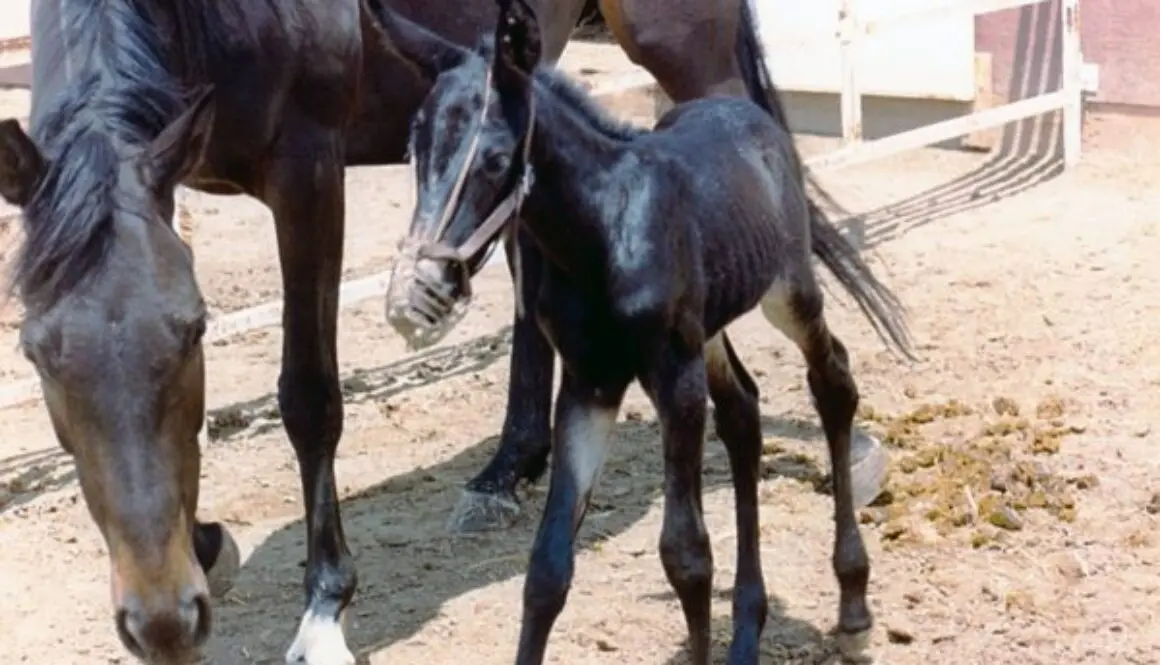


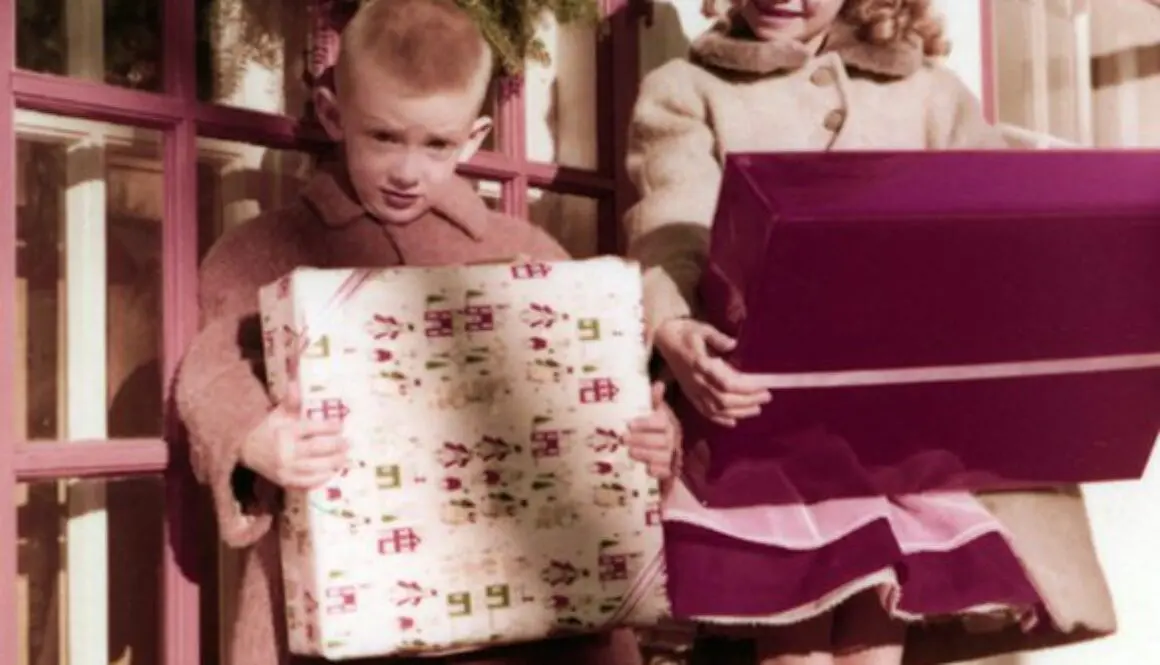
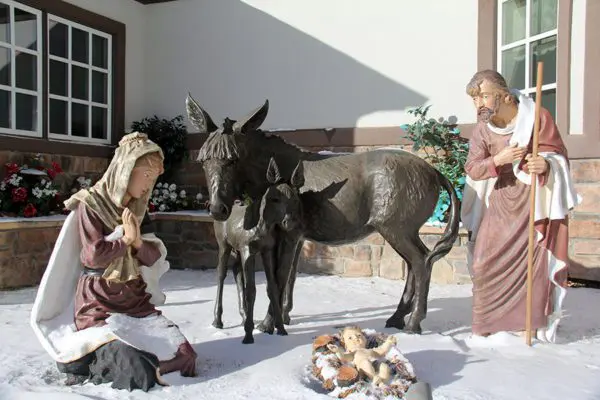 My favorite holiday of the year has always been Christmas! The sights, sounds and smells of Christmas transport me to a magical place for the whole month of December, and the excitement and joy of yesterday still ring true today. I cannot think of a more deserving holiday than one that celebrates the birth of Jesus Christ and promotes so much hope and serenity throughout the world, if only for a day. Christmas reminds us all that the spirit of sharing and giving is timeless and takes only a willing attitude and a little bit of creativity.
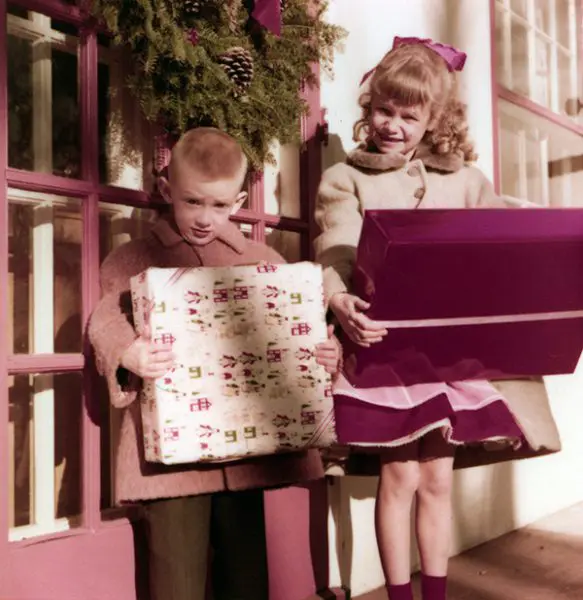 watched a 1955 film called On The Twelfth Day of Christmas. As you might guess, it was based on the old English song, “The Twelve Days of Christmas.” Every year, the film brought wild bursts of laughter, as we watched a proper Edwardian lady’s townhouse in England become filled to overflowing with gifts from her suitor. Not only did she get the gift designated for each day, but also the same gifts from prior days plus the new one. By Christmas, her little townhouse was filled with 12 partridges in pear trees, 22 turtle doves, 30 French hens, 36 calling birds, 25 gold rings, 30 geese a laying, 28 swans a swimming, 32 maids a milking, 27 ladies dancing, 30 Lords a leaping, 22 Pipers piping and 12 drummers drumming! Laughter filled our house daily from that day forward, all the way up to Christmas. Of course, as children, we were also reminded of the “naughty and nice” list.
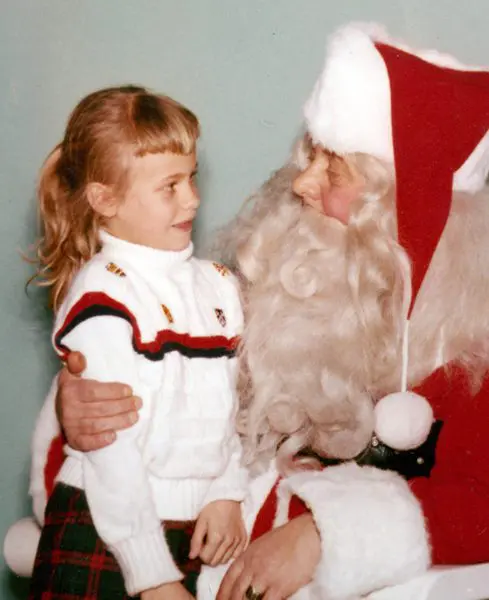 Christmas baking for days on end with my Grandma is a favorite memory. We got to bake great gifts for many friends and family members (and we all knew there would be time to exercise and take off the weight…LATER!). We children were wide-eyed and filled with wonder as we passed the evenings listening to our favorite Christmas carols and our elders’ stories of Christmases past. And we absolutely knew that Santa really could drive eight tiny reindeer across the sky, with Rudolph lighting the way with his red nose, bringing presents to little children all over the world. All of these experiences bonded our entire family together.
 We kids always awoke extremely early on Christmas Day, bouncing down the stairs to see what Santa had left us. The cookies and milk were gone and the presents from Santa were under the tree, but we were not allowed to touch them until our parents and grandparents got up. That wait was excruciating, but it was oh so much fun when the adults finally got up! After opening presents, everyone had a light breakfast, because the early afternoon would bring our traditional Christmas dinner with friends and family. My mother made the most amazing spread of perfectly roasted turkey and stuffing, mashed potatoes and gravy, an incredible salad filled with everything you can think of from the garden, sweet potatoes and a lovely cranberry sauce. The meal was always topped off by my grandmother’s unique and decadent chocolate roll, a light chocolate cake with real whipped cream and homemade chocolate sauce on top.
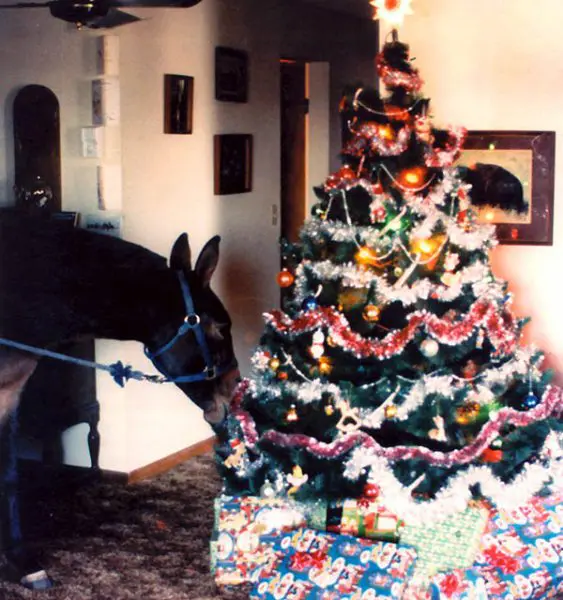
 original farmhouse at Lucky Three Ranch, the old floors were sturdier than those in my present home, so the mules were actually allowed to help with the decorating of the Christmas tree!
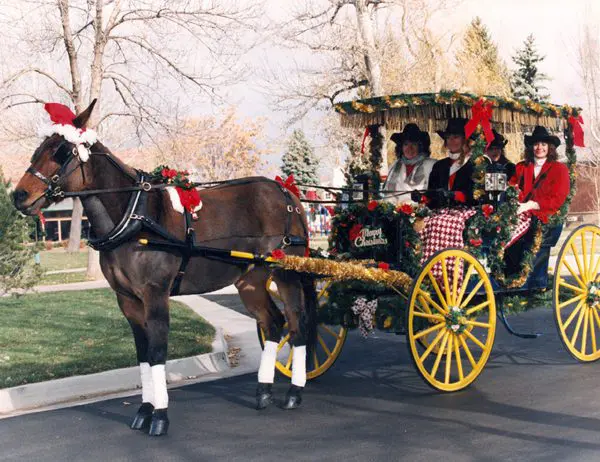
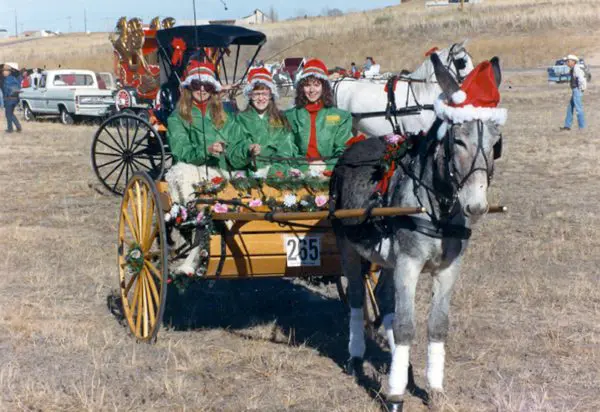 my mules, horses and donkeys became an integral part of each holiday season. My favorite tradition now is the time spent sharing a warm hug with each of my equines and giving them an extra measure of oats on that very special day that we call Christmas!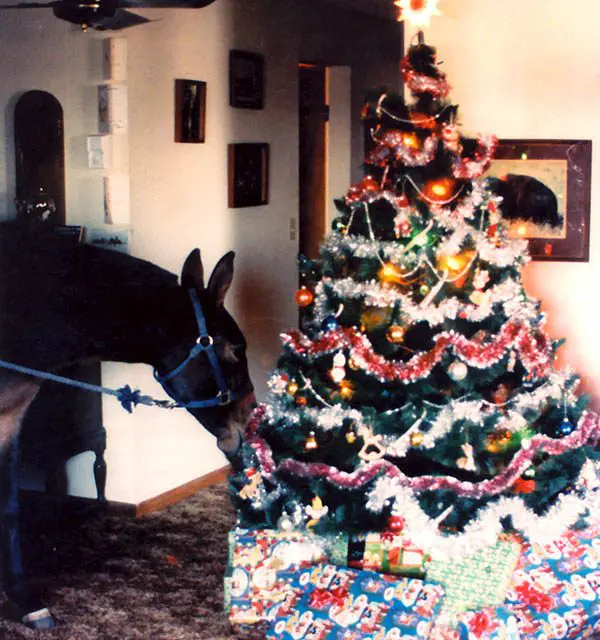
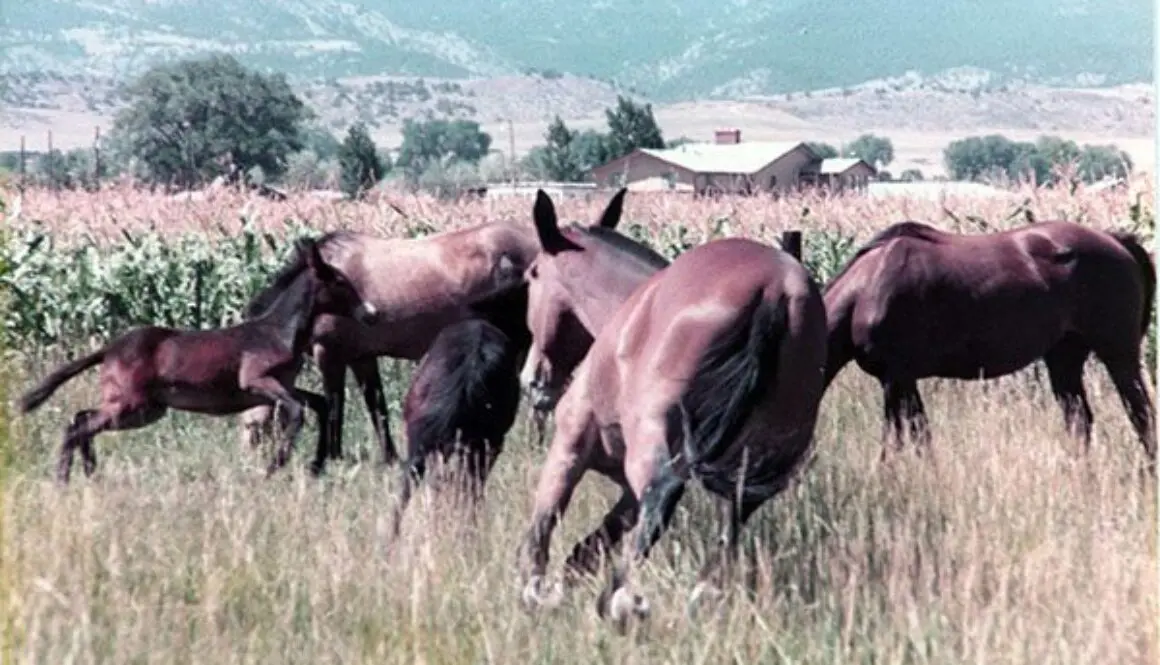
 In the beginning, my home, Lucky Three Ranch was a 10-acre sheep ranch with a small house and hay barn, an old Quonset hut, a feed barn, four three-sided sheds, and a perimeter fence made from sheep fencing with barbed wire on top. It was crossed-fenced around the sheds with some heavily chewed board fences and anything else the previous owner thought could be used for fencing. I’d already had experience with horses, but it wasn’t until my first mule, Lucky Three Sundowner and my first donkey jack, Little Jack Horner, finally arrived at the new Lucky Three Ranch that my lessons with Longears really began!
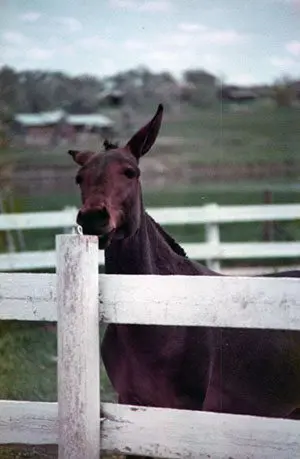 One of the first things I found out about Longears is that they are incredible artists, and they will “sculpt” anything and everything they can get their teeth, rumps or hooves on! My Longears immediately set to work sculpting the posts on three sheds that were near the house and the fence posts around them. We tried everything to get this to stop, but to no avail, and in three short years, we ended up with posts that were no bigger than toothpicks in some places and marvelously contoured from top to bottom, into all kinds of remarkable shapes. We hated to put a cramp in our mules’ artistic style but, clearly, the wooden posts and sheds had to be replaced.
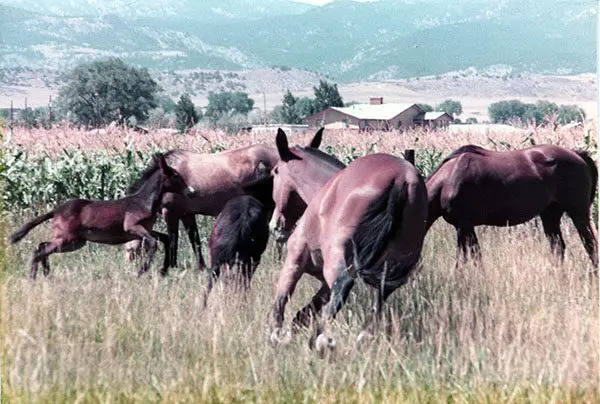 By now, we had bred three more mules, so while we were working on replacing the three sheds, we put the whole herd of mules and mares into a five-acre pasture. One day, while we were working on the new sheds, the whole herd suddenly showed up behind us! Apparently, one of our equines had pulled a “Houdini,” opening the gate and letting everyone out of the pasture. Being the affectionate and curious animals they are, our Longears (and horses) then decided they’d better come see if we needed any help.
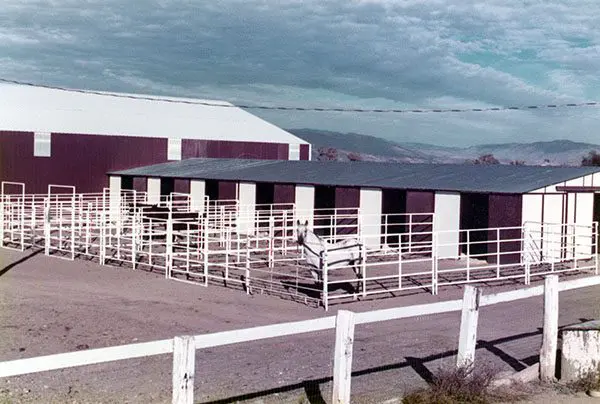 the north side of the barn began to get soft and muddy again and more pea gravel was needed. Rather than doing the runs one run at a time, the seven mules on the north side of the barn were turned out, and we took down only the panels on the north side, so the delivery truck could dump the pea gravel directly on the site. The remaining mules on the south side of the barn were left in their stalls and runs.
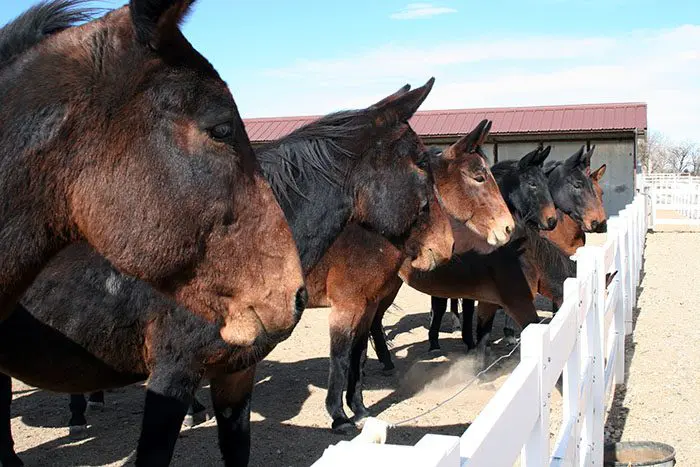 We spent the next several years taking down barbed wire, mending old field fences and replacing the old sheds with steel Port-A-Stall sheds, replacing cross fences with vinyl, building two more steel barns and lining our indoor arena with steel. As we all know, Longears are very intelligent, and they will use their “smarts” to figure out a way to simplify a task. If you want to step over a fence but it’s a little too high, what do you do? Well, if you’re a mule, you sit on it to push it down, and then you can step over it. Although the horse fencing we used to replace the sheep fencing was fairly high, my Longears still managed to sit on the middle of it, bowing it out into incredible, irregular shapes…after they had first shorted out the hotwire, of course. This was their daily ritual. Maybe they had a crew meeting first thing every morning and planned how they’d do it. Who knows?
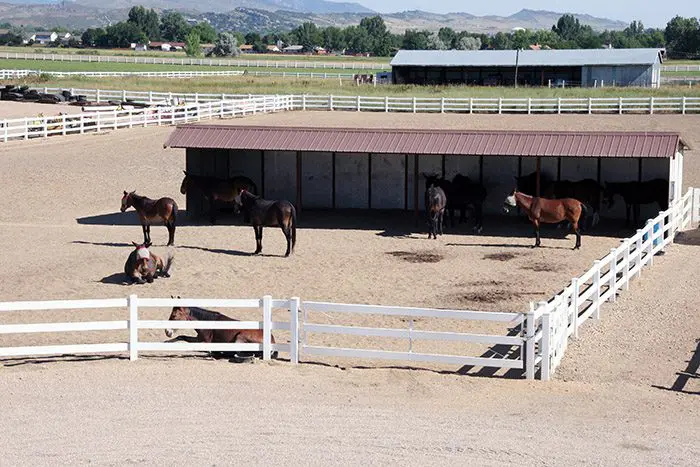 But to this day, I still don’t know how they shorted out the hotwire! One thing my Longears have taught me through our years together is that, if you are going to have mules, you’d better learn to have a good sense of humor or you will never survive their pranks! We learned to drill holes in the posts for a hotwire across the top of the new vinyl fencing and that worked very well, but that was only after they had removed all the vinyl rails from the fence overnight. They were delighted that I had given them their own “Tinker Toy” set. They never left the pen, although they could have! Each time our mules have made “art,” pulled pranks, or managed amazing escapes, we learned how to improve our system and materials, until finally upgrading to an all-steel facility with vinyl fencing topped with a relatively inaccessible hotwire. Now we no longer need to worry about what the mules and donkeys might do…until the next time. (PLEASE don’t tell Ely I said that!)