wild burros
eNews: NPS extends comment deadline! Speak up for North Dakota’s ONLY wild horse herd today >>
The following is from the American Wild Horse Campaign:
We’ve got a lot to share with you in this week’s edition of eNews, including an action you can take to stand up for North Dakota’s only wild horse herd, the latest roundup report from the Moriah Herd Area, and a blog post shedding light on the tragic killing of a wild stallion in Nevada.
Read on to learn more.
Comment Deadline Extended: Speak Up for the Theodore Roosevelt Herd

The National Park Service (NPS) has heeded a call from the public to extend the comment period for the management plan for the Theodore Roosevelt wild horses to Nov 24. However, the agency has reaffirmed its commitment to eliminating this historic herd, and we need you to take action today. Read our latest blog, and then submit your comments calling on the NPS to leave at least 150 wild horses in the Park!
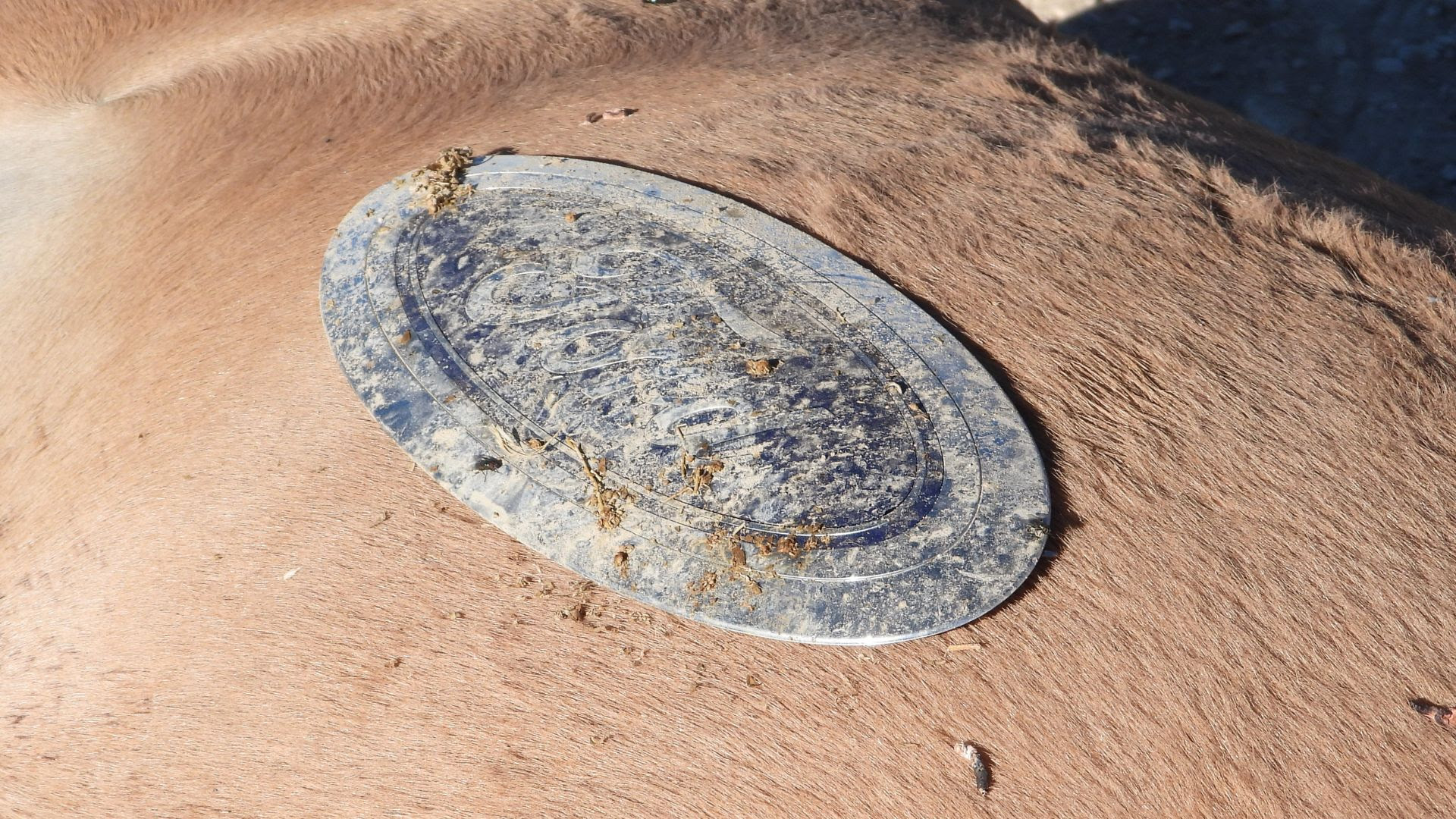
Wild Stallion Slain in Nevada, Body Marked with Ford Logo

Photo by Monica Ross for AWHC
On Wednesday, a representative with the American Wild Horse Campaign (AWHC) discovered the body of a federally-protected wild stallion with a recent gunshot wound in the abdomen. In a grisly twist, the body was adorned with a silver Ford mustang emblem placed near the wound. Read our report on this tragic killing here.
As Calico Roundup Ends, Moriah Roundup Begins

Photo by Monica Ross for AWHC
The roundup of Nevada’s Calico Complex wild horses ended last week with a total of 329 wild horses permanently removed and 15 deaths. We are now on the ground at the Moriah Herd Area removal operation 48 miles west of Ely. Click below to read the latest from the field.
Thanks for reading. And thank you for continuing to stand up for our cherished wild horses and burros!
— AWHC Team
Combatting the false narratives around wild horses
The following is from the American Wild Horse Campaign:
Here at the American Wild Horse Campaign, we’re committed to reforming the federal government’s cruel and costly wild horse and burro roundup program and to ensuring wild horses and burros roam the American West for generations to come.
One of the driving factors behind helicopter roundups is that wild horses and burros are often scapegoated for the issues facing the western landscape. The Bureau of Land Management (BLM) and other federal agencies often use these outdated misconceptions about these animals to justify the current roundup, removal and stockpile cycle.
Even worse, industries that support the roundup of wild horses and burros, like ranchers and other commercial interests, push these false narratives in order to free up more of our public lands for extractive purposes.
That’s why combatting the myths that blame wild horses and burros is critical to our work. To that end, we’ve put together a list of answers to frequently asked questions that advocates often get so that you can be ready to push back against false narratives plaguing our wild herds!
- Are wild horses and burros overpopulated?
NO! Wild horses and burros are not overpopulated. In reality, the only animals truly overtaking the West are the privately owned cattle and sheep permitted to overgraze our public lands. Wild horses are present on just 27 million acres of BLM land in the West, while ranchers have access to livestock grazing on over 155 million acres. Not only that, but 88% of the public lands that the BLM manages have no wild horses or burros present. - Are wild horses and burros responsible for overgrazing on public lands?
NO! The main cause of land degradation in the American West is livestock grazing. A recent study by Public Employees for Environmental Responsibility (PEER) found that not only do livestock outnumber wild horses and burros on public lands by more than 125:1, but livestock grazing is the reason why 72% of rangelands did not meet the required Land Health Standards. Further, a congressionally mandated study by the National Academy of Sciences found that, in one year, livestock consumed 70% of grazing resources on public lands, while wild horses and burros consumed less than 5%. - Are wild horses native?
Wild horses are a native re-introduced species. According to research out of the University of California Santa Cruz’s prestigious Paleogenomics Lab, fossil records and genetic results confirm that horses were part of the North American fauna for hundreds of thousands of years prior to their extinction on the continent around eleven thousand years ago. The genetic connection between extinct North American and present-day domestic horses means that the wild horses in the American West share much of their DNA and evolutionary history with their ancestors. - Why do roundups happen?
Roundups are a symptom of the federal government’s failure to humanely manage our nation’s wild horses and burros and its decision to maintain wild populations at low levels in order to allocate most of the resources on their habitat to commercial livestock. - Why do wild horses and burros have to be managed at all?
They live on land that is shared by multiple interests, including livestock grazing and other extractive uses. Often, natural predators like mountain lions are eradicated by hunters and a government program that kills predators for the benefit of ranchers. Under these man-made and artificial conditions, some form of management is necessary. With that being said, the BLM’s roundup and removal approach is not only inhumane, but also completely unsustainable and has brought the program to the brink of fiscal collapse. - Do wild horses and burros end up in the slaughter pipeline?
Yes. While the agency cannot sell wild horses or burros directly to slaughter auctions, countless wild horses and burros are being funneled into the slaughter pipeline thanks to the BLM’s disastrous Adoption Incentive Program (AIP). - Why don’t you sue to stop roundups?
We do! While we would like to be able to go to court to stop every roundup, litigation is far from certain. Many factors need to be considered with each new case we bring. If we rush into litigation without a strong foundation for our case and lose, we could end up setting a negative precedent that harms wild horses and burros for generations to come. That’s why we choose our battles wisely to ensure the best possible outcome for our wild herds. It’s important to note that we evaluate every roundup proposal during the public comment period for litigation, before a helicopter ever takes off. If we are able to sue, we do.
It’s vital that we fight back against the false narratives being pushed by the livestock industry and the federal government. Please forward this email to share these questions and answers with your friends and family so that we can get the truth out about our wild herds and end these myths once and for all!
Thank you,
American Wild Horse Campaign
The work your support makes possible
The following is from the American Wild Horse Campaign:
Earlier this week, we told you about one of our investigations into the Bureau of Land Management’s (BLM) off range programs that revealed that some trainers participating in the BLM’s Trainer Incentive Program (TIP) sold mustangs into the slaughter pipeline and one horse even starved to death on a trainer’s property.
These crucial findings would have never been brought to light without the support of wild horse advocates like you. You make our work to protect wild horses and burros possible.
Outside of our investigations into the BLM’s off range programs, your donations enable us to expand a number of key initiatives that are advancing the cause of protecting wild horses and burros.
In the field, we’ve embarked on an exciting new initiative called the Land Conservancy Project. This innovative program aims to preserve and enhance habitat for America’s wild horses and burros. The goal is to support self-sustaining wild horse populations in ecological balance with other wildlife. To this end, AWHC recently acquired 3,300+ acres of prime habitat in Nevada’s beautiful Carson Valley to serve as a pilot program for the project. Can you chip in to help us continue funding exciting pilot projects like the Land Conservancy Project? >>
We’re also expanding our work with community groups conducting fertility control programs on local wild horse herds. For the past four years, we’ve implemented the world’s largest humane management program for wild horses on Nevada’s Virginia Range. Now, we recently received a federal grant to support the expansion of our fertility control program to Utah’s Cedar Mountain herd!
And on Capitol Hill, we’re advocating for several critical bills being considered that would advance humane reforms to the federal management of our nation’s wild herds – including the Wild Horse and Burro Protection Act of 2023 (H.R. 3656), which seeks to prohibit costly and inhumane helicopter roundups of wild horses and burros. Please, can you make a contribution to help fund our essential work advocating for pro-wild horse and burro legislation on Capitol Hill? >>
We also fought for provisions to be added to the Fiscal Year (FY) 2024 appropriations bills that would require the Bureau of Land Management (BLM) to enact several key reforms to its Wild Horse and Burro Program, such as:
- Requiring the BLM to use up to $11 million to implement substantial humane fertility control vaccine programs to manage wild horse and burro populations in the wild, diverting funds away from roundups.
- Ending the cash incentive in the BLM’s disastrous Adoption Incentive Program (AIP), which has funneled hundreds of wild horses and burros into the slaughter pipeline.
- Prioritizing partnerships with non-profit organizations for the management of wild horses and burros, including working with military veterans and wild horse organizations.
Thank you in advance for chipping in.
AWHC Team
Here’s what our Investigations Team has uncovered.
The following is from the American Wild Horse Campaign:
The American Wild Horse Campaign (AWHC) has been advocating for transparency and accountability in all of the Bureau of Land Management’s (BLM) initiatives, including the Adoption Incentive Program and the training programs for mustangs and burros.
For years, the BLM invested in a training program called the Trainer Incentive Program (TIP), which incentivizes trainers to adopt wild horses or wild burros, gentle them, and find them permanent homes. Once completed, the trainer is paid for their training services. However, only a few months ago, the agency abruptly ended the TIP and announced it would begin the process of partnering with a new organization to invest in wild horse and burro training programs.
Although humane training programs can be very effective in preventing our beloved wild equines from being sent to slaughter,AWHC’s Investigations Team found serious animal welfare issues within the TIP program, raising concerns about the potential treatment of mustangs in new training programs.
In 2021, the AWHC Investigations team received alarming information about trainers in the TIP. It was revealed that some of the trainers participating had sold their BLM wild horses into the slaughter pipeline. In addition, one trainer was found to havemalnourished animals on his property.
We submitted a comprehensive 21-page report to the BLM with our findings, but unfortunately, the response was underwhelming and our concerns were disregarded. This lack of action spurred us to file a Freedom of Information Act (FOIA) request to learn about any investigative steps or corrective action taken.
According to the records, the BLM failed to investigate the incident thoroughly, leaving the very animals it is supposed to protect in harm’s way. Despite the severity of the allegations, the records show that only three internal emails were exchanged regarding the incident. Moreover, our Investigations Team uncovered that the BLM was aware of starving horses on the trainer’s property and that one horse even died due to “prolonged weight loss.”
It requires considerable effort to uncover crucial information like this – information that we then share with the media, legislators, and the public.
Thank you,
The American Wild Horse Campaign
The aftermath of roundups: Rampant animal welfare violations at BLM facilities
The following is from the American Wild Horse Campaign:
Last year, the BLM began to evaluate its holding facilities for wild horses and burros using standards set by its own Comprehensive Animal Welfare Program (CAWP). The agency made these assessments public, exposing numerous animal welfare violations within the BLM’s holding facilities. These findings serve as evidence that these pens are unsuitable for our wild herds.

The BLM assessed 17 of its 28 holding facilities so far, and the reports reveal several concerning violations, such as:
- Insufficient access to hay and water
- Pens without salt or mineral blocks
- Lack of shade in outdoor pens
- Failure to comply with vaccination policies
- Poorly maintained facilities
- Inadequate record-keeping practices
- Failure to follow proper biosecurity measures to prevent the spread of contagious diseases, and more.
Thousands of wild horses and burros are confined in these overburdened and unsafe facilities → and American taxpayers are footing the bill.
According to the BLM’s own estimates, it costs the American taxpayer up to $48,000 over the lifetime of a wild horse or burro to keep him or her in a government holding facility. This broken system is cruel and expensive, and it’s only getting worse as more and more wild horses and burros are piled into these facilities each year.
Thanks for taking action for the voiceless.
— AWHC Team
UPDATE: The BLM just announced their 2024 roundup schedule
The following is from the American Wild Horse Campaign:
The Bureau of Land Management (BLM) recently unveiled its Fiscal Year (FY) 2024 roundup and removal schedule, and unfortunately, the agency is targeting even more horses and burros than it did last year.
The BLM announced that it’s planning to round up 8,896 wild horses and burros in total and permanently remove 8,236 of them from their homes in FY24 – a significant increase from the FY 2023 roundups. Nevada will again be hit the hardest with a staggering 5,862 wild horses and burros slated for removal.
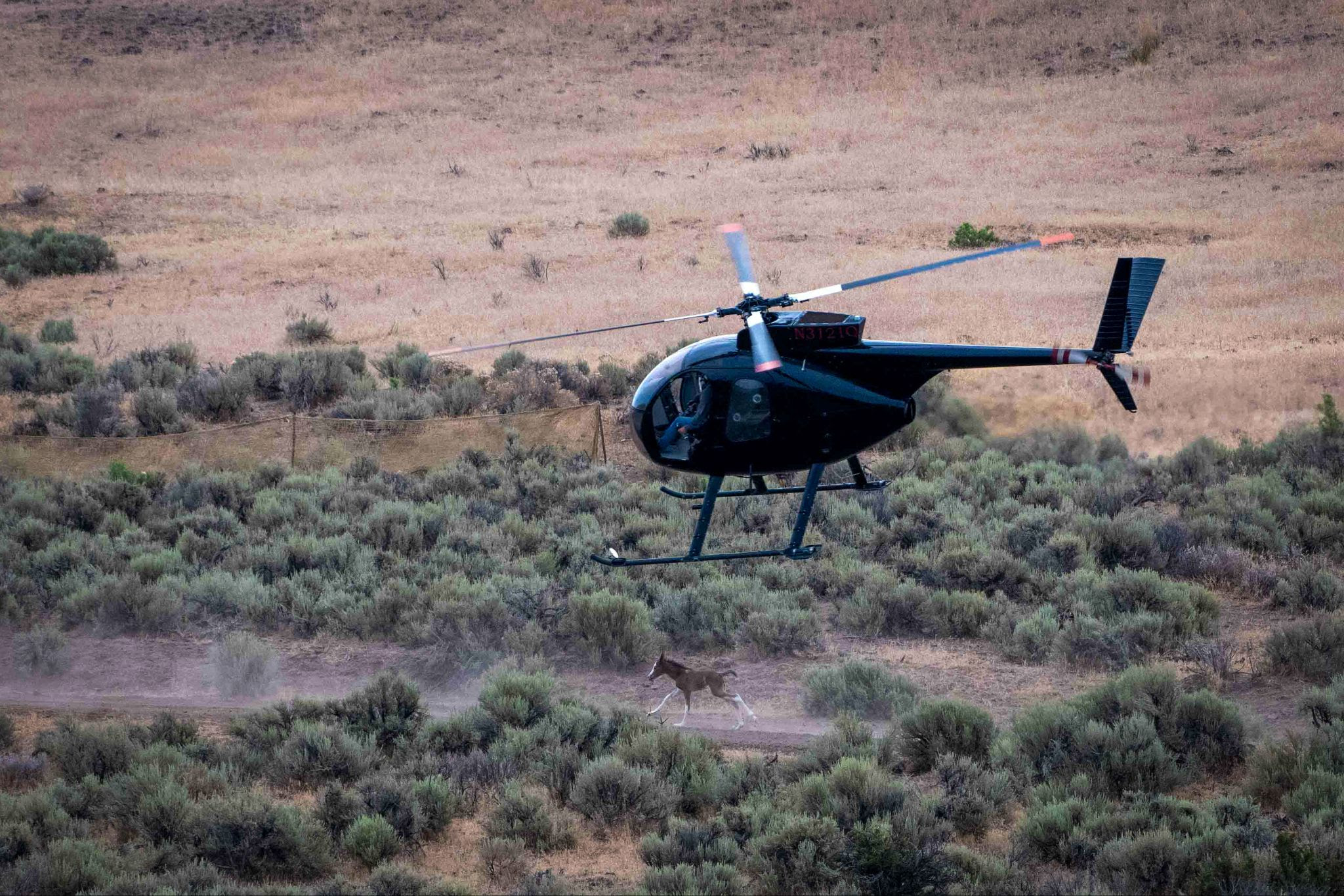
To make matters worse, the agency is planning to use helicopters for all but two of these roundups. These operations often leave horses and burros traumatized, cause severe injuries, and can even result in the deaths of these innocent animals. That’s why we send observers to every roundup possible to document any abuses they see.
But we’ve seen year after year that the BLM and its contractors are placing our observers farther and farther from the trap sites, making it nearly impossible for them to see the operation and assess the treatment and conditions of the horses and burros. For example, during the ongoing roundup in the Calico Complex,our observers have been kept up to two miles away from the trap site, and even then, our view is often obstructed by the contractors.
This unscientific and inhumane policy of mass roundups as a “management” tactic for our nation’s iconic, federally protected wild horse and burro populations is not only unsustainable – it’s cruel.
We’re fighting to end this inhumane treatment of our wild herds, but until we can bring about the lasting change these innocent animals need, we need to ensure accountability and transparency within our federal government.
Thank you,
American Wild Horse Campaign
Our latest findings.
The following is from the American Wild Horse Campaign:
The American Wild Horse Campaign’s Investigations Team has uncovered some dark information about the Bureau of Land Management (BLM)’s summer 2022 roundup in the Twin Peaks Herd Management Area (HMA).
Here’s the grim truth of what happened, and how our Investigations Team was able to uncover it:
The Twin Peaks HMA is located on the California/Nevada border, spanning an impressive 800,000 acres of land. This beautiful HMA was home to over 3,000 wild horses and burros before the helicopters descended on the expansive western landscape. The agency rounded up 2,450 wild animals, including many young and vulnerable foals who were just born only a few months before.
Photo of the 2022 Twin Peaks roundup by RJ Stein Photography
The BLM reported 31 deaths during the roundup, but when our team dug in and submitted a Freedom of Information Act (FOIA) request, we uncovered the heartbreaking reality – 69 additional animals died at the government holding facilities during and immediately after the roundup.
Fourteen of these deaths were very young foals, who were chased by helicopters in high summer temperatures, and for long distances over rocky terrain. The records we received revealed the brutality and pain they endured. One note in the death records stated: “This foal was unfortunately found dead in one of our isolation pens…foals are foundering due to being run too far during the gather.” Another revealed: “…suspect this foal’s death was from the stress of being run long distances in rough terrain and in high temperatures.” And there were many more notes just like those. It was heartbreaking.
Not only that, but during the roundup there were several very concerning animal welfare violations that occurred. Our observers on the ground documented BLM-contracted helicopters chasing far too many wild horses into a small pen, causing the pen to collapse. Two horses died, several were injured, and the contractor’s staff was placed in danger.
This roundup was conducted in extreme heat and the horses were chased long distances. AWHC brought these concerns to not only the onsite BLM Incident Commander, but also sent a formal complaint to BLM leadership. Despite this, there were no changes implemented during the roundup.
The animal welfare violations we documented and the records we received pulled back the curtain on the BLM’s inhumane Wild Horse and Burro Program and illuminated the impact of summer roundups on the most vulnerable animals. Meredith, AWHC is committed to using this information as a catalyst for change. We will work tirelessly to hold the BLM accountable for its actions and continue to advocate for improved policies and practices that prioritize the welfare of these magnificent creatures
Your support will empower us to amplify these records, engage with policymakers and mobilize our grassroots army. Together we can create a brighter future for America’s wild horses and burros.
Thank you for stepping up and supporting wild horses and burros.
AWHC Investigations Team
What happens to wild horses and burros after they have been captured?
The following is from the American Wild Horse Campaign:
Helicopter roundups are dangerous and expensive operations that result in wild horses and burros being traumatized, separated from their families, injured, or in the worst case, killed. But the cruelty doesn’t end when the helicopters land.
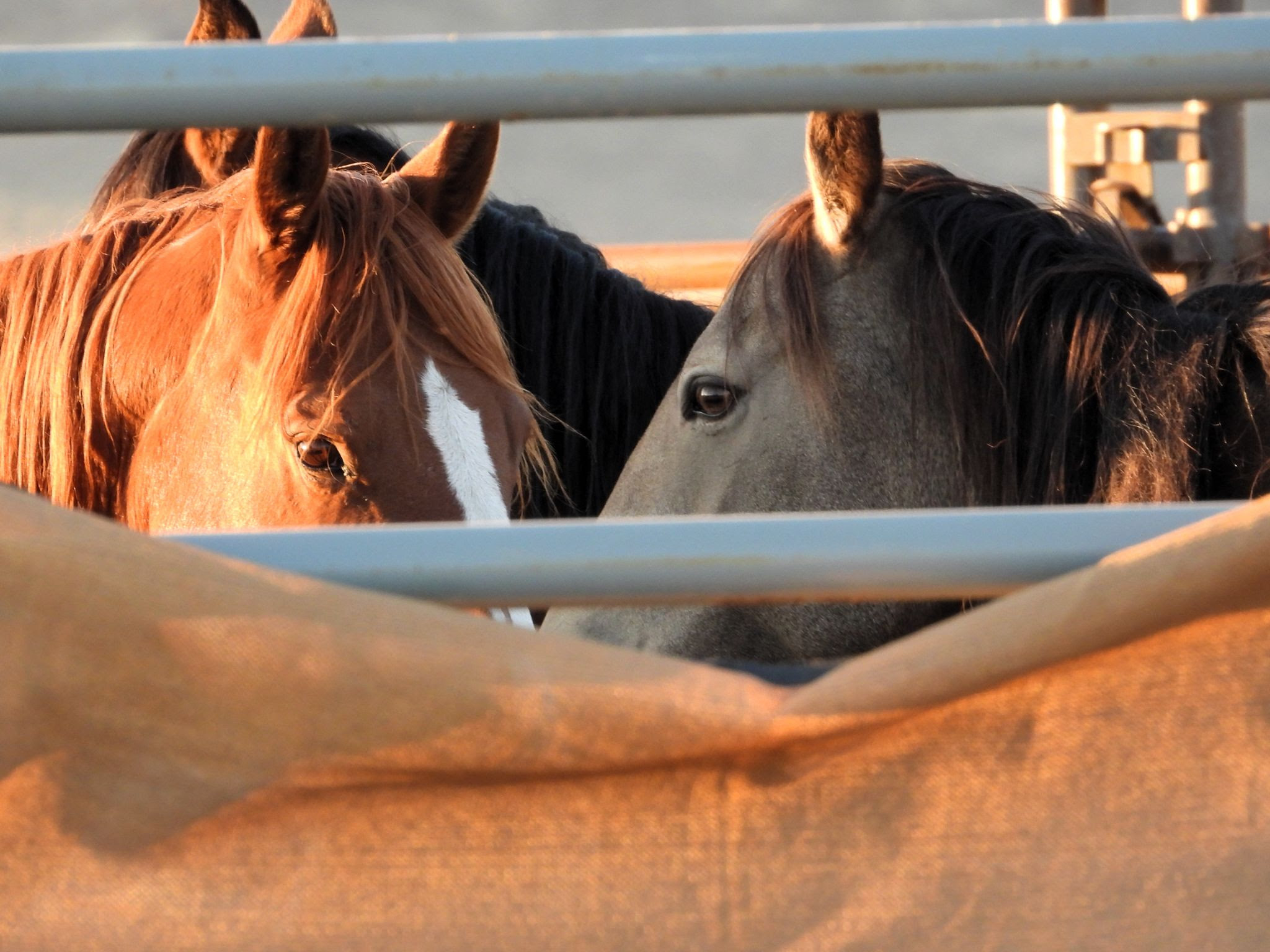
Once captured, these innocent animals are immediately sorted and split apart from their families. Horses have very unique and complex social structures, so they often call out for their family members while being sorted – a heartbreaking sound to hear.
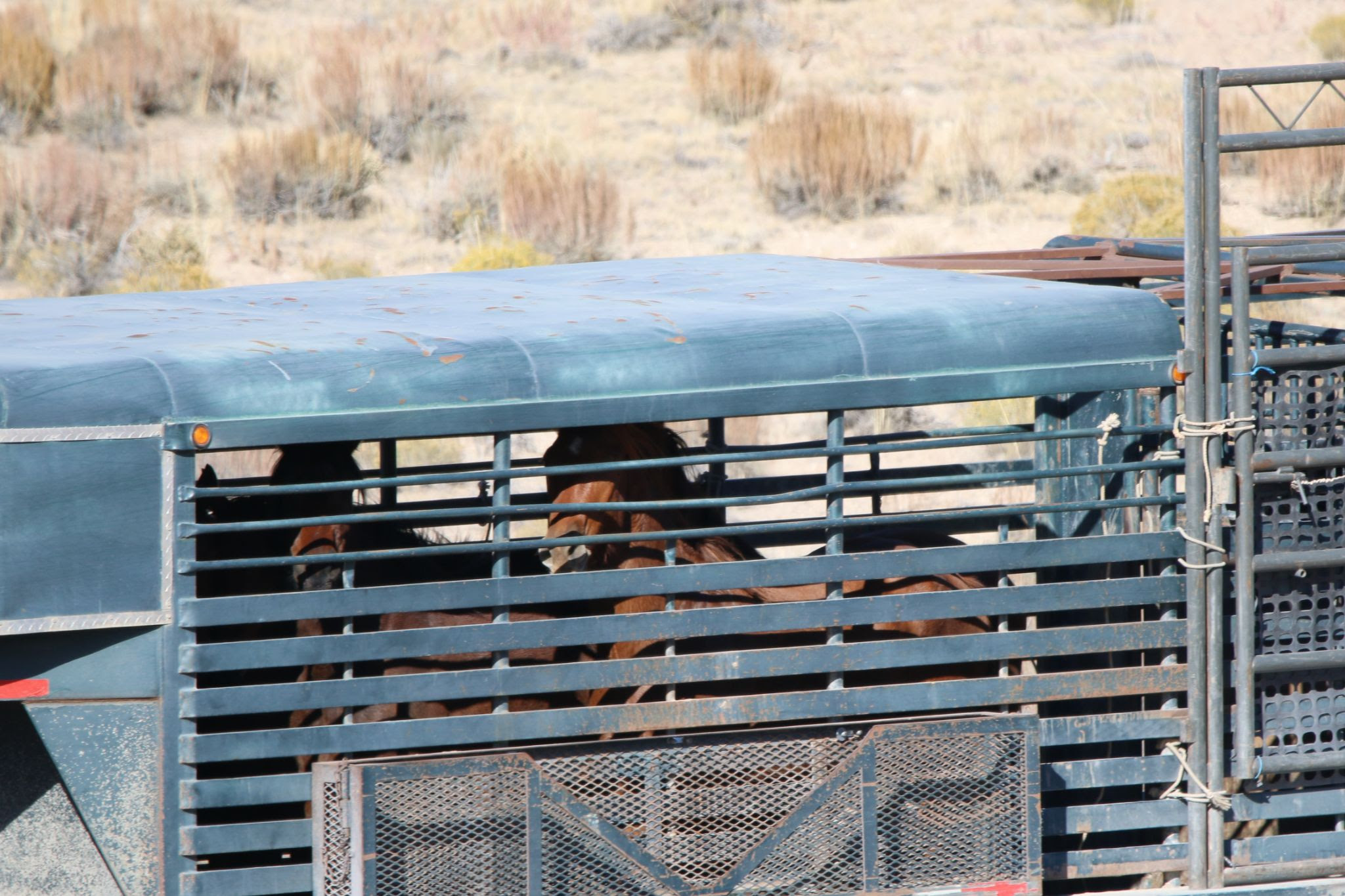
The animals are then trucked to Bureau of Land Management (BLM) holding facilities which are often overburdened and understaffed. Just last year, a disease outbreak killed 146 wild horses in Colorado, and a holding facility in Wyoming was closed for months due to “strangles,” a very contagious disease that was running rampant through its pens.
As of August 2023, there are 64,588 wild horses and burros in government holding facilities. According to the BLM’s OWN estimates, it costs the American taxpayer up to $48,000 over the lifetime of a wild horse or burro to keep him or her in a government holding facility.
After every roundup, AWHC files a Freedom of Information Act (FOIA) request for updates on the captured animals after they’ve reached the holding facility. While the BLM touts a death rate of just 0.1% at roundups, our investigative team has uncovered that the death toll skyrockets during the first 30 days in holding following the roundup.
For example, last summer the BLM rounded up 1,022 wild horses and burros from the Blue Wing Complex in Nevada. At the conclusion of the roundup, the BLM reported the deaths of 14 wild horses and burros. But through our FOIA requests, we found that in the 30 days after the roundup began, an additional 38 wild horses and burros perished in the holding facilities where they had been sent.
Even more horrifying, 30 of those deaths were burros who died as a result of lipemia or hyperlipidemia, which often occurs when an animal stops eating. Our records show that an additional burro died of the same cause weeks later, bringing the total to 31 burros dying of hyperlipidemia. Based on preliminary information and veterinary research, it’s reasonable to conclude that these burros stopped eating due to the stress of the roundup operation.
As if that isn’t bad enough, the FOIA records also reveal that in the three months after the roundup, an additional 25 horses and burros died in the holding facility. Their causes of deaths ranged from complications during gelding, to colic, to spinal cord injuries and more. This brings the total deaths since the start of the roundup to approximately 77 wild horses and burros,a much larger number than the 14 animals the BLM reported as dead.
As the BLM continues its final roundups of the 2023 season, more wild horses and burros may meet the same fate. We’re counting on you to support our efforts in getting FOIA records and holding the BLM accountable for its inhumane treatment of our wild mustangs and burros. Will you help us continue our critical work to protect our wild herds?
Thank you.
AWHC Team
In case you missed it…
The following is from the American Wild Horse Campaign:
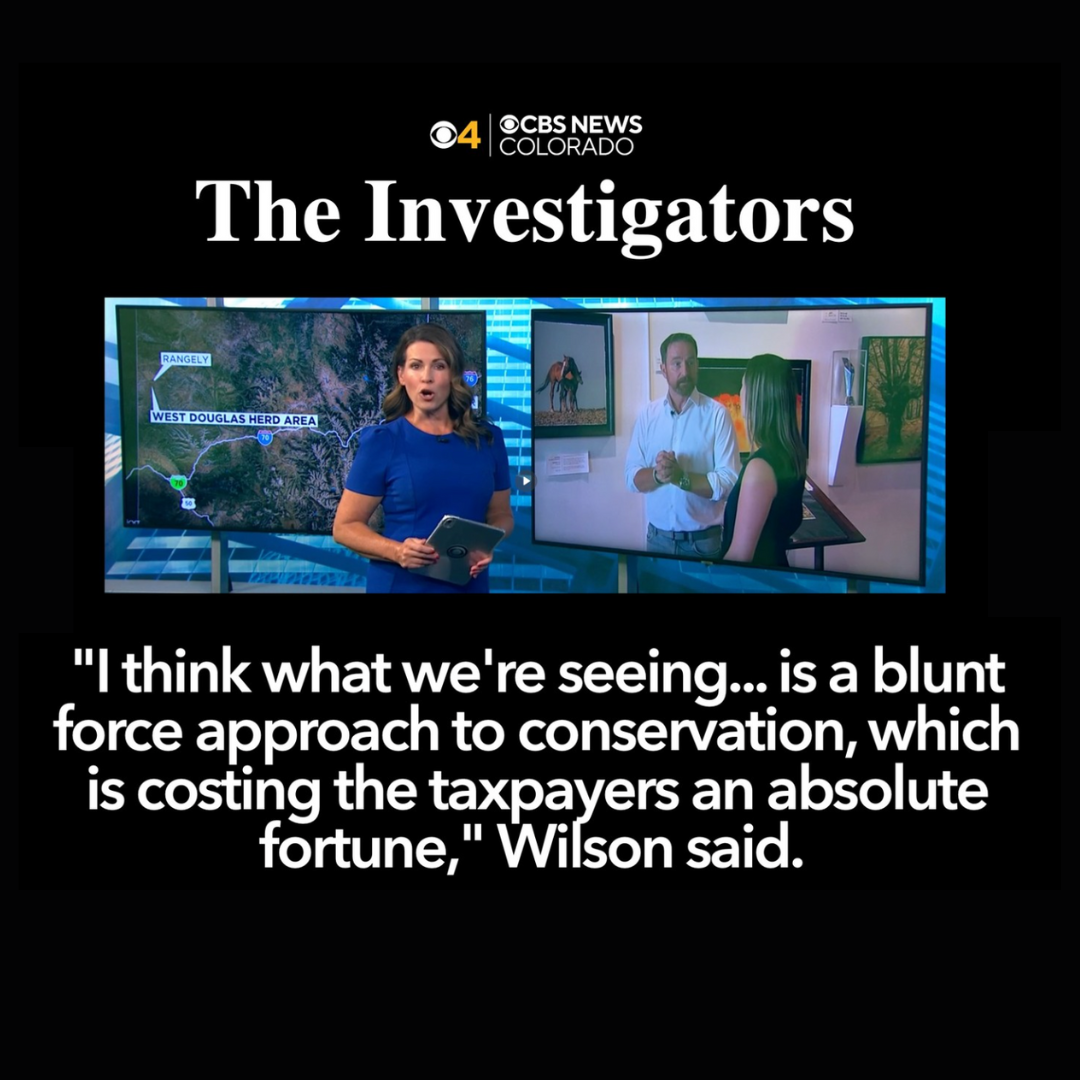
Did you see the American Wild Horse Campaign on CBS Colorado? One of our team members, AWHC spokesperson Scott Wilson, was recently interviewed by investigative reporter Katie Weiss.
Scott had a chance to talk about Colorado’s West Douglas herd roundup. Here’s what he had to say:

The roundup, which occurred in the West Douglas Herd Area (HA), was expensive and cost the taxpayers $187,000 in federal tax dollars. It also resulted in the complete eradication of the horses who call West Douglas home. You can click here to see the full article and learn about the atrocities that the West Douglas horses faced.
One of the most important things that the American Wild Horse Campaign does is educate the public about what’s happening to wild horses and burros, and the inhumane ways the federal government is treating them. We know there’s a better way, and that’s why we’ve been working to spread our message to as many folks as we can.
Thank you,
AWHC Team
Jenni escaped a lifetime of holding
The following is from the American Wild Horse Campaign:
For the past four years, our team has implemented the world’s largest humane fertility control program for wild horses on Nevada’s Virginia Range. This groundbreaking initiative has proven that there is a better way to humanely manage our nation’s wild horses – and now, we’re expanding this critical program to another herd in Utah.
The wild horses of the Cedar Mountain Herd Management Area (HMA) live on 200,000 acres of land deep in the Utah desert. These animals are truly majestic and magical, living free according to their own rules. The herd is brimming with color: pintos, buckskins, and roans abound.
This herd has been subjected to routine helicopter roundups in an unsustainable approach that has resulted in loss of freedom and family for countless wild horses. But now, we are implementing a humane fertility control program to keep these iconic wild horses in the wild, where they belong. So today, we’d like to tell you about a very special Cedar Mountain wild horse, and the importance of fertility control programs for western herds.
Jenni is a beautiful black pinto mare who roams the rough terrain of the Cedar Mountains. She was part of a large band, but sadly, when the helicopters descended on her family last year, they were all captured. We don’t know exactly how, but Jenni managed to avoid the fate of her family and escaped. The day after the helicopters left the area, we found her running all alone – it was heartbreaking.
The horses in this area are elusive, so it was only recently that we saw the brave pinto mare again. Thankfully, she was no longer alone – in fact, she was far from it. The mare not only had a new band of family members but also a small black foal with a white blaze and two white socks by her side. Her name is Ripley.
Jenni and her foal. Photo by Tandin Chapman.
By shifting the management of these horses towards humane fertility control instead of helicopter roundups, it is our hope that the Cedar Mountain mustangs like Jenni will never have to face the helicopters again, and her new foal will never know the trauma she endured. The cornerstone of this initiative is the remote darting of wild mares with the scientifically proven fertility vaccine known as ‘PZP,’ just like we do on Nevada’s Virginia Range.
Fortunately, the Bureau of Land Management (BLM) has given AWHC a federal grant that funds the Cedar Mountain program. But it’s critical that we sustain our flagship fertility control program in the Virginia Range and expand this approach to other herds in the West.
Jenni’s story encapsulates all of the things we love about wild mustangs – their tenacity, resilience, toughness, and determination to live a free life. Ensuring lifelong freedom for these special mustangs is why we are working collaboratively with the Utah BLM and the livestock permittee whose cattle graze in the mustangs’ habitat. We ‘re grateful for their support of our common goal to protect the horses and ultimately eliminate the need for helicopter roundups in their habitat.
The support of wild horse allies like you enables us to continue operating our humane fertility control program on Nevada’s Virginia Range, which has had a 66 percent reduction in the foaling rate since it began. Additionally, there have been no roundups on the Virginia Range since we started the program!
Thank you for your support in the fight to protect America’s wild horses.
— AWHC Team
Litigation Update: How we’re fighting for our wild herds in the courtroom
The following is from the American Wild Horse Campaign:
Our wild herds are safest in the wild, where they can roam free with their families. But thanks to the Bureau of Land Management’s (BLM) inhumane management policies, these innocent wild equines are being deprived of their right to live free on western public lands where they belong.
That’s why we’re working every day to put an end to brutal helicopter roundups and keep wild horses and burros out of overburdened holding facilities. Today, we’d like to tell you about some of the important legal work we do to protect our wild herds.If you can, will you chip in to help us power our Legal Fund and then read on to learn about how we’re fighting to protect wild horses and burros in the courtroom? >>
These wild animals cannot defend themselves in our legal system. That’s why we are dedicated to being their voice in the courts of law. And Meredith, when we sue, we win.
We are currently in the midst of two intense legal battles in federal court. Most recently, we filed suit in Wyoming, continuing a decade-long litigation battle against the BLM over the agency’s plan to remove every single wild horse from the Great Divide Basin and Salt Wells Creek Herd Management Areas (HMAs) and drastically reduce the population of the Adobe Town herd.
AWHC filed a lawsuit against this plan because it would lead to the eradication of these herds without any scientific basis for doing so.Now the legal battle has reached its final stage, and we’re fighting with everything we’ve got to protect these iconic herds.
Not only that, but we are also suing the BLM over the implementation of its controversial Adoption Incentive Program, which pays individuals $1,000 to adopt a wild, unhandled horse or burro. The BLM implemented this program without conducting any of the required environmental analyses that it was obligated to perform. We are currently waiting for a decision from the judge on whether the program was implemented illegally or not.
Another key aspect of our legal work is our in-depth investigations into the federal government’s actions and policies. One way we do this is by using the Freedom of Information Act (FOIA) – a law that allows members of the public to request government records. However, frequently the agency either refuses to turn over documents or releases incomplete or excessively redacted records, forcing us to file a lawsuit to compel full disclosure of all requested records.
Right now, we have over 17 Freedom of Information Act (FOIA) lawsuits open against the BLM and the U.S. Forest Service in order to compel them to turn over key records that will help us expose abuse, fraud, and waste within federal programs affecting wild horses.
FOIA has been critical to our investigation into the AIP and has proven that the program has funneled hundreds, if not thousands, of wild horses and burros into the slaughter pipeline.
Thank you,
AWHC Team
eNews: AWHC Spokesperson Speaks with CBS News about Colorado roundups
The following is from the American Wild Horse Campaign:
We’ve got a lot to share with you in this week’s edition of eNews, including AWHC spokesperson Scott Wilson’s new interview with CBS about the recent roundups in Colorado, the latest roundup reports from California and Nevada, and a blog highlighting the plight of Oregon’s majestic wild horse herds.
Read on to learn more!
Roundup Reports: Get the Latest on Wild Horse Roundups
The Bureau of Land Management’s (BLM) final few wild horse helicopter roundups of the summer roundup season have begun in California and Nevada. AWHC’s humane observers are onsite at the Surprise Complex capture operation and will be deploying more observers to cover the upcoming Desatoya herd Management and the Calico Complex roundups. Click here for our latest roundup reports.
| READ THE LATEST REPORTS |
AWHC Spokesperson Speaks with CBS

AWHC spokesperson, Scott Wilson, was recently interviewed by CBS Colorado’s Katie Weiss about the state’s West Douglas Herd Area wild horse roundup. Wilson delivered a rebuke of the operation, saying “I think what we’re seeing…is a blunt force approach to conservation, which is costing the taxpayers an absolute fortune.” What’s more, CBS uncovered that the BLM permits more than eight times more cattle than horses on the land. Click here to watch the interview and read the full story!
| READ MORE |
What’s going on with Oregon’s wild horses?

Oregon is known for its captivating forests, untamed coastline, and limitless outdoor adventures. However, not everyone is aware of the presence of wild horses that roam the Oregon high desert. Discover the captivating herds of Oregon, the obstacles they encounter due to federal mismanagement, and the valuable role played by AWHC in safeguarding these iconic herds. Click here to read more.
| READ MORE |
Thanks for reading. And thank you for continuing to stand up for our cherished wild horses and burros!
— AWHC Team
Happy National Public Lands Day!
The following is from the American Wild Horse Campaign:
“There is nothing so American as our national parks….The fundamental idea behind the parks…is that the country belongs to the people, that it is in process of making for the enrichment of the lives of all of us.” – Franklin D. Roosevelt
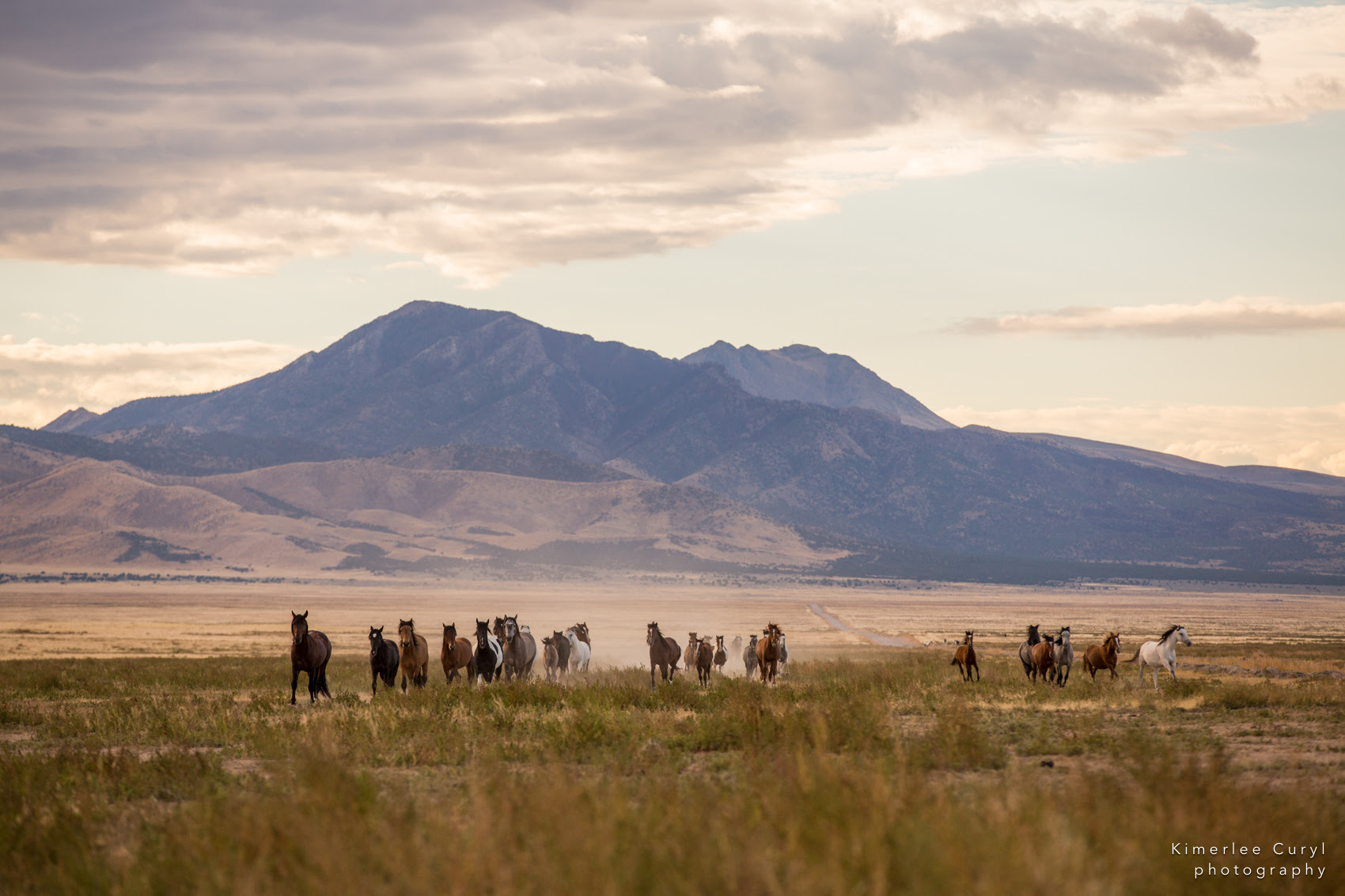
Today is National Public Lands Day, a day celebrating the magnificent landscape that our nation’s beloved wild horses and burros call home.

Photo by Kimerlee Curyl
The conservation of our public lands — and the wildlife that inhabit them — is a proud statement of what Americans value. It’s a testament to our nation’s innate desire to protect what’s wild and free.
Currently, there are 640 million acres of federally protected land across the United States where elk trek the plains, eagles soar across the large western sky, and where wild horses and burros roam the rugged landscape.
But Meredith, our public lands, and our wild herds who inhabit them, are in danger. A century and a half ago, the U.S. supported almost two billion acres of public lands – nearly three times what it is today.
And alongside this dwindling public landscape has been the systematic elimination of America’s wild horses and burros’ habitat. These federally protected animals now live on just 27 million acres of public lands in ten Western states.
Worse, the federal government is determined to continue shrinking wild horse and burro populations even further as inhumane helicopter roundups continue, all while giving 97% of those lands — your lands — to the commercial livestock industry that has been lobbying for the removal of these innocent animals for decades and that wants to replace them with cattle and sheep grazing that we, the taxpayers, subsidize.
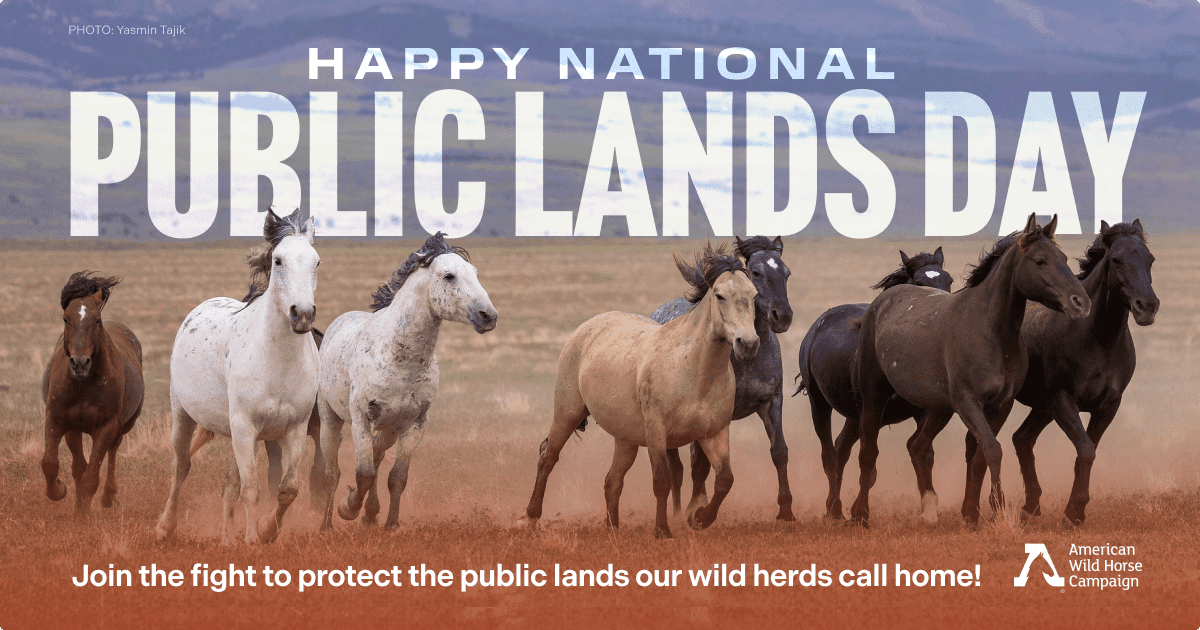
We know that there is a better way to manage our nation’s wild horses and burros on public lands where they belong. That’s why we’ve been fighting day in and day out in the field, in the courts, and on the Hill to conserve wild horses and burros for generations to come and protect the lands they call home. If you’re with us, please share this graphic on social media and join our fight.

Happy National Public Lands Day!
– The American Wild Horse Campaign
THANK YOU!
The following is from the American Wild Horse Campaign:
Over the course of the last week, we asked you to step up and help fuel our efforts to document the federal government’s inhumane helicopter roundup and removals. And Meredith, you rose to the occasion.
We set an ambitious goal of raising $30,000 to replenish our observation fund so we are able to continue deploying our humane observers to the remote corners of the West to photograph the federal government’s treatment of our beloved wild horses and burros.
Well, I’m happy to report that thanks to your support, we hit our goal! From all of us at AWHC, thank you for your passion, generosity and dedication to protecting America’s wild herds.

Thanks to your support, we have the resources to send our observers to the BLM’s final three roundups of this season and ensure no mistreatment of wild horses and burros goes unrecorded.
The record our humane observers create by documenting these operations gives us the fuel to fight for transparency and accountability within the BLM and allows us to inform and educate the media, and Congress about the inhumane treatment these beloved animals face.
There’s still over a month left in the BLM’s summer roundup season, so there’s a lot more work to do. We’ll make sure to keep you updated on our efforts in the coming days and weeks.
With gratitude,
— Suzanne + the AWHC Team
[FWD] Why roundup documentation is so important
The following is from the American Wild Horse Campaign:
| We know that on a Monday afternoon you’re probably quite busy, but this is important:
Today is the last day of our fundraising drive to bolster our critical Observation Fund, but as of right now, we’re still about $7,000 away from our $30,000 goal. Right now, helicopters are flying in California and are set to take off in Nevada soon, so we can’t afford to fall short.
To read more about the critical role that observers play in our work, check out the email from Scott that we’ve forwarded below if you haven’t already seen it. Raising these funds is the only way our team can document and call attention to the widespread abuse of horses and burros at these federal roundups — please pitch in if you are able to!
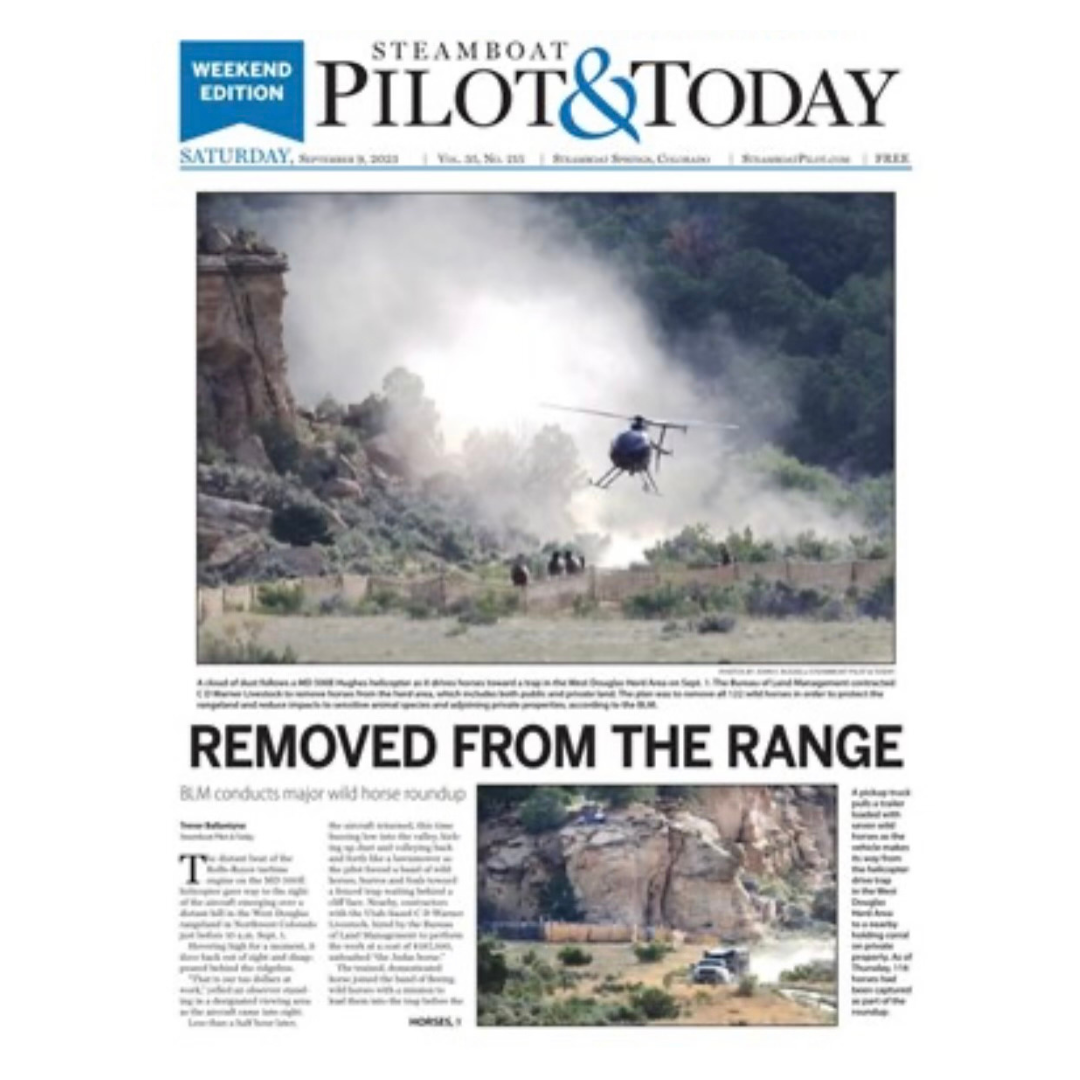
Thank you in advance for your help, AWHC Team ———- Forwarded message ——— Hi, I’m Scott, a photoadvocate and spokesperson for the American Wild Horse Campaign. I reside in Colorado, and have been photographing the wild herds that roam the state’s public lands for a few years now. In 2021, I became heavily invested in this issue when I got word in that my local herd in Sand Wash Basin was going to be rounded up. To me, it felt personal – I had to do something. Together with advocates and local and national organizations, we worked hard to put a stop to the roundup. We garnered national media attention and got the ear of state and federal officials who tried to compel the Bureau of Land Management (BLM) to call off the operation. Ultimately, the operation proceeded, but I take some solace in the fact that less horses were removed, and the agency told us that this herd will likely never face a helicopter stampede again. While on the ground at the operation, I documented everything – telling stories of triumph and escapes, reunifications and the tragic injuries and deaths. More attention was garnered as a result of this documentation, and our chorus of advocates grew. Since that time, I have documented the removal operations of more Colorado wild herds. Most recently, I was on the ground at the controversial West Douglas Herd Area roundup, where every single wild horse was forcibly taken from the lands they have called home for centuries. We couldn’t let this removal happen in vain – the team at AWHC took my reports and photographs and disseminated them to the media. The results have been impactful – the Steamboat Pilot featured roundup coverage on its front page while other regional outlets including the Colorado Sun, the Durango Herald, Colorado Public Radio, Westword, and CBS used our imagery, information and quotes to let my fellow Coloradans know what was happening to our wild horses.
We know that when the American people hear about what’s happening to these beloved animals, they are outraged. It’s our job to build public awareness and the grassroots army necessary to rise up and advocate for the conservation of America’s mustangs and burros. Observing, documenting, and disseminating video and photos of the roundups is essential to raising this awareness. Thank you so much for being a part of our advocacy efforts. Scott Wilson
|
We’re setting an important goal
The following is from the American Wild Horse Campaign:
There is a month and a half left of the summer roundup season, and hundreds of wild horses are still being targeted for capture and removal. Right now, the United States Forest Service has helicopters in California’s Devil’s Garden Wild Horse Territory, and in just a few days, the Bureau of Land Management (BLM) will begin a new series of roundups in California and Nevada.
| RUSH A DONATION → |
Since July, the BLM has conducted 11 helicopter roundups in five states, and thanks to your support, we have been able to deploy our humane observers to the majority of them. Now, the BLM is set to begin its final three roundups of the season, and we plan to send our observers to document all of them. This is no easy task – these roundups occur in some of the most remote corners of the West, and getting our observers there and equipped is expensive, but it’s necessary.
Starting Monday, BLM helicopters will take flight in the Surprise Complex, which comprises three Herd Management Areas (HMA) in California – the High Rock HMA, Fox Hog HMA, and Wall Canyon HMA. The agency plans to capture 494 wild horses and permanently remove 404 of them.
Our observers will be the public’s eyes and ears on the ground, reporting back on what happens to our beloved herds during these often traumatic and potentially life-threatening operations. Our team will then disseminate their reports to the public, the media and to lawmakers on the Hill. There are so many people out there that don’t know what’s happening to wild horses, and we need to change that.
| RUSH A DONATION → |
Thank you for stepping up.
The American Wild Horse Campaign
Remembering Bubba
The following is from the American Wild Horse Campaign:
As you may recall, September is World Animal Remembrance Month. This time is dedicated to remembering all the animals who have touched our lives, but are no longer with us.
In that spirit, we want to take a moment to honor Bubba, Wyoming’s famed curly stallion who recently passed away.
We find solace in knowing that he died on the range, wild and free.

Bubba was one of the lead stallions of the Salt Wells Creek herd in the Red Desert of Wyoming. He was known as a ‘curly’, carrying in his genes some of the most unique DNA in the world that produces a crimped mane and curly coat.
In 2021, a large portion of Bubba’s family was torn apart when the Bureau of Land Management (BLM) conducted a large-scale helicopter roundup in the habitat he and thousands of other mustangs called home. Bubba survived the roundup and remained free, but unfortunately sustained an injury to his knee.
Bubba’s memory lives on, and his death strengthens our resolve to protect the family he has left behind.
Attorneys on behalf of the American Wild Horse Campaign (AWHC) have filed suit against the BLM for its plan to eradicate the public lands that 43 percent of Wyoming’s wild horses inhabit. In fact, the BLM is planning on removing every single wild horse from the Salt Wells Creek herd, Bubba’s former home. We will not back down from this fight.
The AWHC has been involved in critical litigation for more than a decade against the BLM to protect these herds – and now we face the final showdown. We must do what we can to save these wild horses.
With the sadness of this beloved stallion’s passing, we press on.
The American Wild Horse Campaign
Join us in commemorating World Animal Remembrance Month >>
The following is from the American Wild Horse Campaign:
September is World Animal Remembrance Month – a time dedicated to honoring the memory of animals who are no longer with us.
In that spirit, we here at the American Wild Horse Campaign (AWHC) would like to commemorate all of the wild horses and burros who have lost their lives or their freedom this year in the Bureau of Land Management’s (BLM) inhumane helicopter roundups.
| SIGN ON |
So far this year, thousands of wild horses and burros have been captured in BLM helicopter roundups and removed from their homes on the range, stripping them of their freedom, and cramming them into overcrowded holding facilities where they endure the biting cold and the searing heat with no shelter from the elements. Just this year, hundreds of mustangs have suffered severe injuries during these brutal operations, and so far 41 have tragically lost their lives, including more than a dozen young foals.
As if that’s not bad enough, our investigation team has also unveiled that since 2020, we have documented more than 1,700 wild horses and burros in kill pens, confirming hundreds were adopted through the BLM’s disastrous Adoption Incentive Program (AIP). While the AIP, which pays adopters $1,000 per adopted BLM horse or burro, is meant to give these animals a permanent home, the sad reality is that the program is being abused by individuals scheming to defraud taxpayers at the expense of these magnificent animals.
Wild horses and burros don’t deserve to endure the mistreatment and abuse they suffer thanks to the BLM’s cruel mismanagement. That’s why our mission at AWHC is to keep them in the wild where they can live safely and freely – where they belong. We fight everyday towards that goal, but we need you in this fight with us.
| SIGN ON |
Thank you,
AWHC Team
Expanding fertility control throughout the West
The following is from the American Wild Horse Campaign:
For over a decade, the American Wild Horse Campaign (AWHC) has been a leader in the fight to uphold America’s promise to wild horses and burros by ensuring their lifelong freedom and welfare on our public lands.
Earlier this week, we told you about our groundbreaking Land Conservancy Project, an innovative new program to acquire and restore key habitat so that America’s wild herds can live free in ecological balance with other wildlife. Now, we’ve got another exciting update to share with you.
This month, we received a federal grant from the Bureau of Land Management (BLM) to support the humane fertility control program that we are implementing on wild horses in Utah’s Cedar Mountain Herd Management Area (HMA)!
| SHARE THE NEWS ON FACEBOOK >> |
| SHARE THE NEWS ON TWITTER >> |
The project brings together diverse stakeholders – including the Utah BLM, the ranching permittee in the HMA, and AWHC – with the shared goals of humanely managing the Cedar Mountain horses, stewarding their habitat, and eventually eliminating helicopter roundups and removals in this area. We thank the BLM for its support of this program, which is a model for collaboration in the wild horse conservation space.
Over the last 12 years, AWHC has worked with and supported community groups conducting fertility control on local wild horse herds, and implemented the world’s largest humane management program for wild horses on Nevada’s Virginia Range. We’ve also led successful initiatives on Capitol Hill to secure dedicated funding for fertility control measures, sending a clear message from Congress to the BLM about the need for a fundamental shift in management priorities.
The Cedar Mountain program is the latest expansion of this critical work.
The Cedar Mountain wild horses are truly majestic and magical, living free according to their own rules in this ruggedly beautiful corner of Utah. The herd is brimming with color: pintos, buckskins, and roans abound. But Meredith, these mustangs have been subjected to routine helicopter roundups to keep their numbers in check. This approach has cost taxpayers tens of millions of dollars and cost thousands of the Cedar Mountain horses their families, their freedom, and, for some, their lives.
We know there is a better way to manage our cherished wild horses, and it is our hope that with the implementation of this collaborative program, the Cedar Mountain mustangs will never have to face the helicopters again.
| SHARE THE NEWS ON FACEBOOK >> |
| SHARE THE NEWS ON TWITTER >> |
Thank you,
AWHC Team