This holiday season, we hope you’re not too saddled with work or stressful travel plans and are enjoying some quality time with friends, family and loved ones.
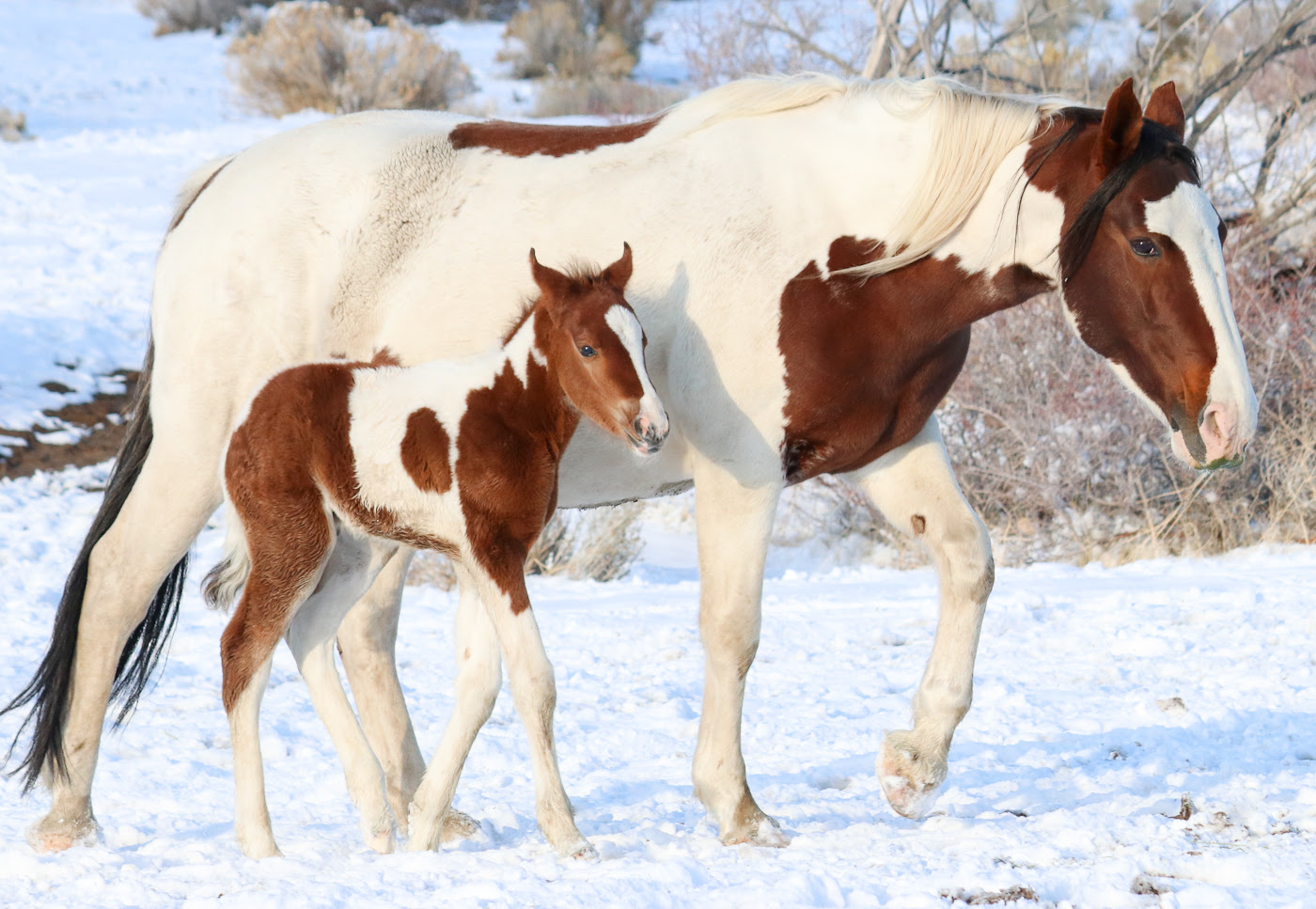
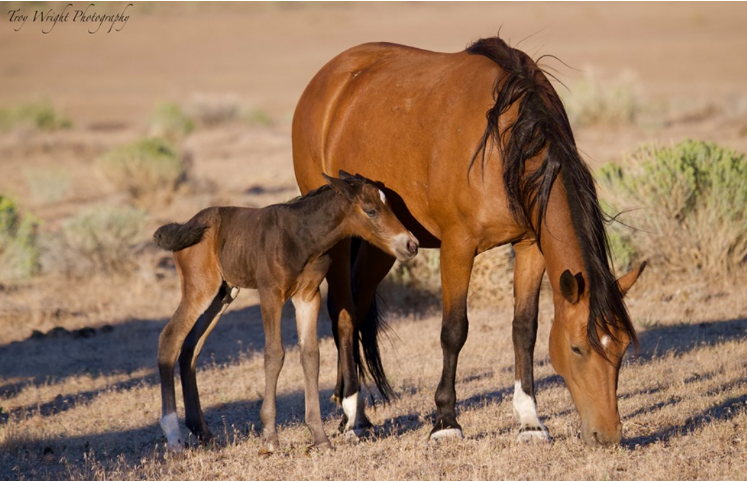
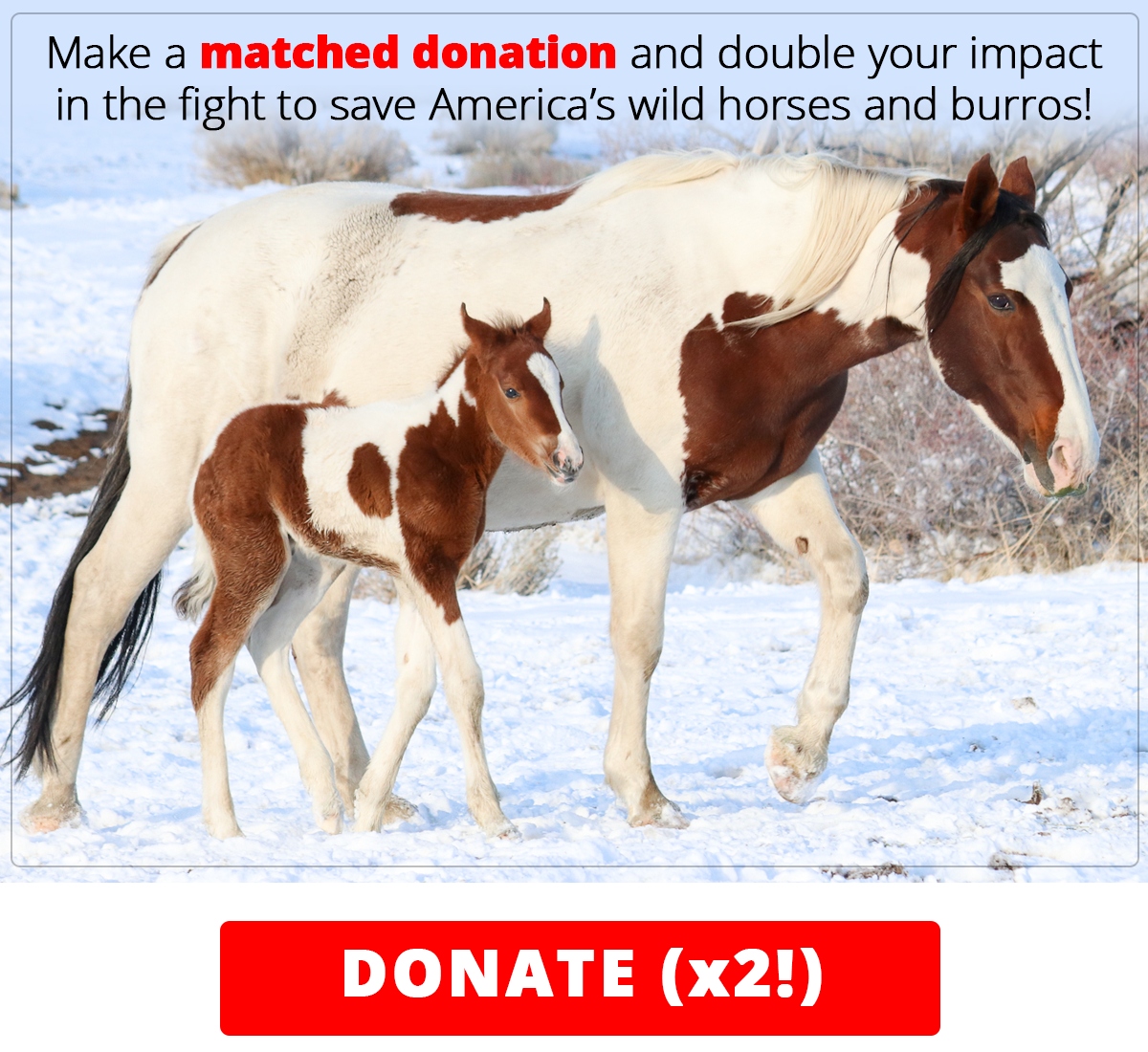
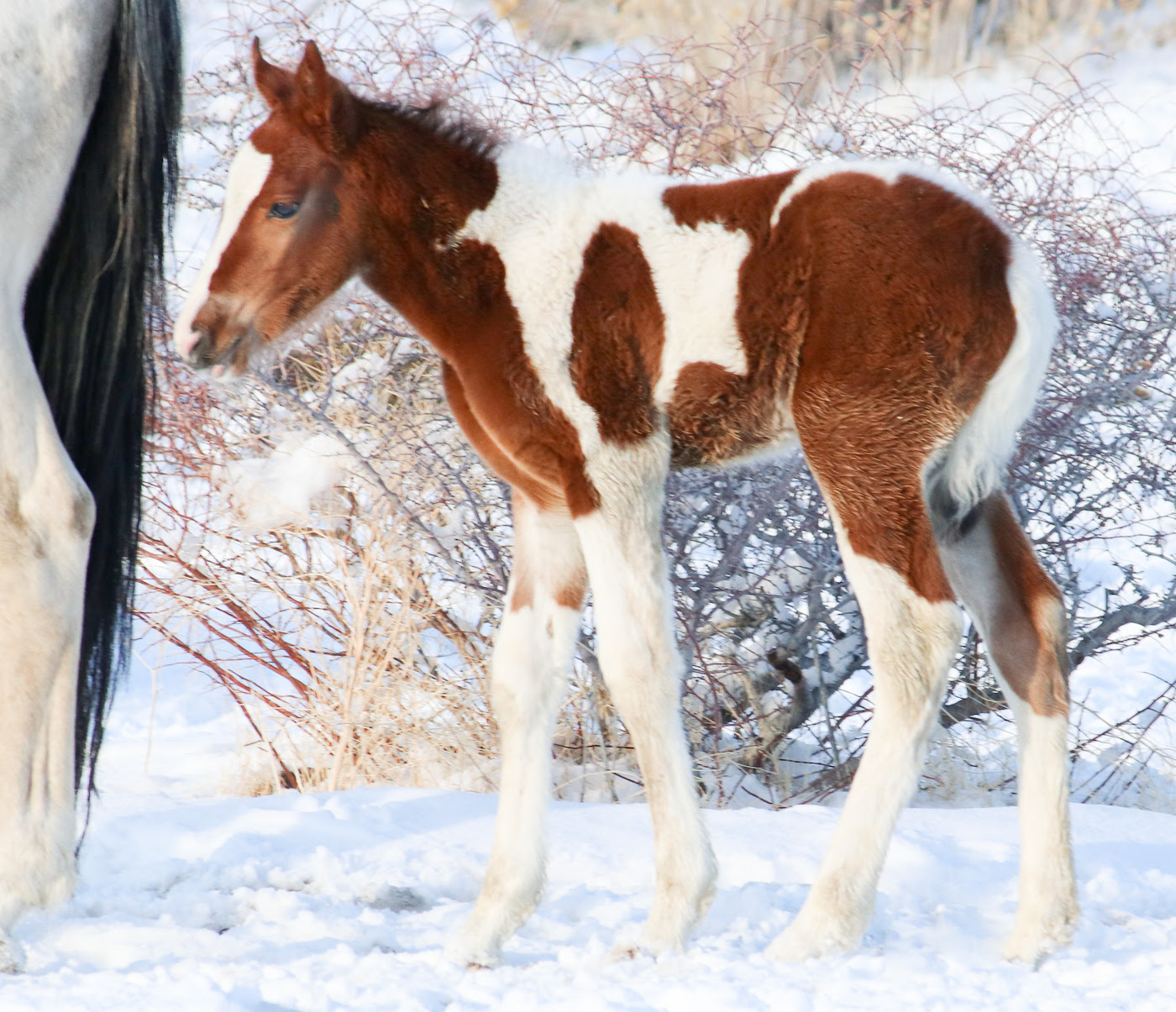
On the topic of family, we wanted to introduce you to one of the newest additions to the Virginia Range in Nevada: Flurry.
Flurry really loves his mom, Empress — You can find them together exploring the wide expanses of the Virginia Range side-by-side.
Flurry was born recently during one of the first snow storms of the season, and he, his mom and the rest of his herd are doing well. We’ll be keeping a close eye on them, since Flurry, Empress, and their herd are wild horses currently documented in our precedent-setting humane management program.
It’s photos and moments like these that remind us why we’re in this fight together. Empress, Flurry, and all of America’s wild horses and burros deserve to be wild and free with their families.
As we gather with our families this holiday, we want to express our heartfelt thanks to you, our loyal supporters, for all you do to make freedom a reality for wild mustangs like Flurry. Each and every day, with your support, we work to make sure that Flurry and other wild horses have a future in which they can not only survive, but also thrive.
On behalf of everyone at AWHC, we are grateful to you for being part of the AWHC family. Our very best wishes to you and your loved ones, the happiest of holidays and a healthy and joyous New Year.
If you’re like me, the news that Congress is going to give the Bureau of Land Management $21,000,000 to round up as many as 20,000 wild horses next year broke my heart.
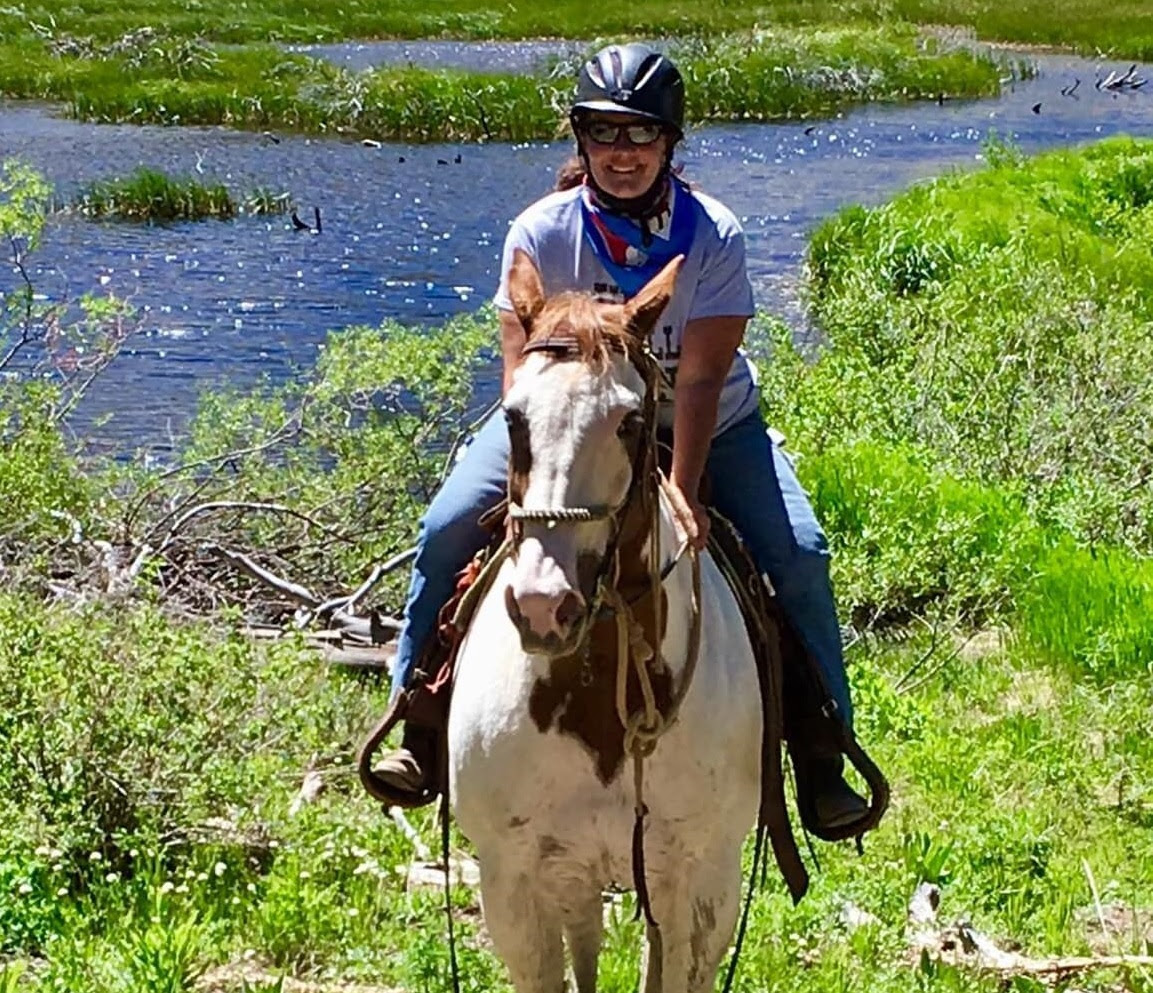
My name is Deb Walker and I’m the Nevada Field Representative for AWHC. In these moments of heartbreak and hardship, it’s important we remember why we’re in this fight and why we should continue to have hope.
For me, this is personal
When I was younger, I experienced my first glimpse of wild horses in Owyhee above Elko, Nevada. My dad and I were absolutely in awe watching the horses.
When I grew older, my husband and I made a habit of visiting northern Nevada to see wild horses (from a respectable distance). Every Thanksgiving, I would gather my camera, grab a coffee, and head out to go see them.
Fast forward to when I approached retirement from the Air Force. My husband asked me where I would like to go and retire. For me, that decision was easy: I wanted to retire in northern Nevada where I could live as close to wild horses as possible.
And it’s what ultimately motivated me to work with AWHC as its Nevada Field Representative.
What I do
I think my dad, who recently passed, would certainly approve of my work. I want my two daughters and my three grandchildren to have these experiences and make the same memories with the horses like I did.
That’s why the news about Congress giving the green light to accelerate roundups next year just motivates me to work harder. As the Nevada Field Representative, I get to work with a team of incredible volunteers in the largest humane management program for wild horses in the entire world.
Since April, our team administered more than 1,200 PZP fertility treatments to wild horses — that’s almost double the number the BLM, with its $80-million-a-year program budget, did in an entire year!
Together, we’re proving that there is a more humane and cost-effective way to manage wild horse populations that does NOT require roundups or risky sterilization surgeries.
That’s why, despite this week’s disappointing news, I am hopeful about what we can accomplish together for our wild horses and burros in the New Year.
Thank you for being a part of our AWHC family,
Deb Walker
Nevada Field Representative
American Wild Horse Campaign
As the dust settles on the Fiscal Year 2020 spending agreement reached by Congress this week, we wanted you to know that the fight is far from over and that there will be ample opportunities for us to defend wild horses and burros in the New Year.
We also want to highlight two significant positives that were included in the spending bill that are a direct result of your advocacy and leadership from key officials in Congress.
Congress attached strings to the $21 million budget increase for the BLM Wild Horse and Burro Program
The spending bill states that the additional funding will not be made available until 60 days after BLM submits a report to Congress detailing its plan for future wild horse management. This is a direct result of alarm bells raised by House Natural Resources Committee Chair Raul Grijalva, Subcommittee on National Parks, Forests and Public Lands Chair Deb Haaland and ten of their colleagues about increasing the agency’s budget by nearly 30% without following proper oversight channels.
While we remain disappointed that Congress awarded the BLM millions more tax dollars without strict requirements to prevent BLM from using all the funds to round up and sterilize wild horses, this new provision is a significant improvement over previous versions of the spending bill. It gives the House committee with oversight over the BLM — the Natural Resources Committee — a chance to scrutinize the plan and, potentially, take steps to rein in the BLM, before funding is authorized.
Huge thanks for this major development goes to Grijalva, Haaland, Judiciary Chair Jerry Nadler, and their colleagues who formed this bipartisan effort to protect our wild horses and burros by signing a letter to request proper oversight.
Forest Service Wild Horse and Burro Slaughter Ban
Another positive development in the FY 2020 spending bill is language that prohibits the U.S. Forest Service from destroying healthy wild horses and burros and selling them for slaughter. Previously, Congress prohibited the BLM from lethal management of wild horses and burros, but the ban did not extend to the Forest Service, which manages a much smaller but still significant number of federally-protected wild horses and burros in the West.
The expanded prohibition is a direct response to the Forest Service’s threat to sell California wild horses for slaughter and a result of the leadership of U.S. Senator Dianne Feinstein — a long time champion of horse welfare — and U.S. Reps. Ted Lieu, Dina Titus, Grijalva, and California State Assemblymember Todd Gloria who worked with AWHC to pass legislation to improve protections for California’s horses from slaughter.
Everyone who contacted their elected officials over this past year to seek protections for our cherished wild horses and burros should take a moment to appreciate the fact that our grassroots advocacy is working. Although this work is a marathon, not a sprint, and there are disappointments along the way, we are making progress on the road to saving America’s iconic wild herds.
So, as we fire up our legislative and legal teams for the challenges ahead, we want to thank you for staying strong and committed. You are the key ingredient to our successful advocacy for our wild horses and burros, and together, we remain the last line of defense between these beloved animals and their destruction.
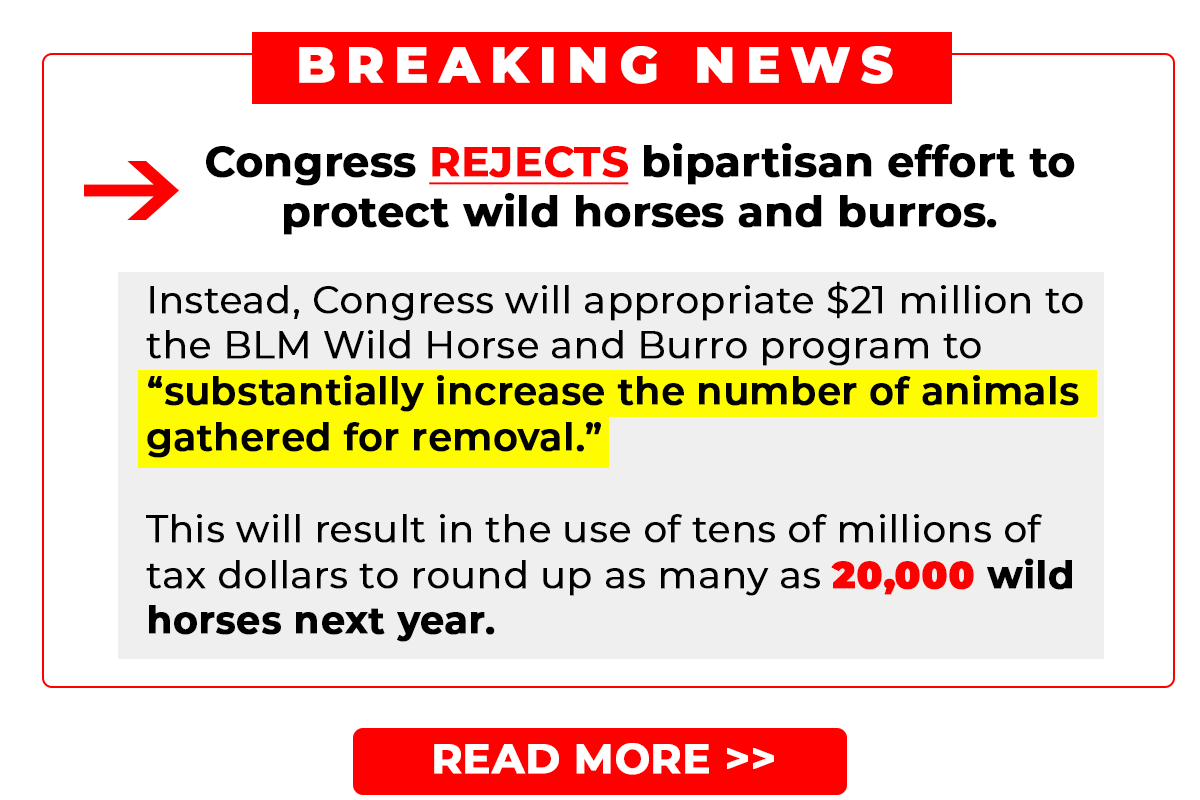
Yesterday, the House and Senate unveiled an agreement on the fiscal year 2020 spending legislation. The final bill rejects the efforts of bipartisan lawmakers to prevent federal funds from being allocated toward cruel sterilization surgeries and accelerated roundups.
The vast majority of Americans, from both parties, oppose these surgeries and roundups.
But, this bipartisan effort to protect wild horses and burros was rejected in favor of a backroom deal cut by Washington D.C. lobbyists for the National Cattlemen’s Beef Association, the Humane Society of the U.S., the ASPCA, and Return to Freedom that seeks federal funding for the roundup of as many as 20,000 wild horses and burros from our public lands next year.
This week marks the 48th anniversary of the signing of the Wild and Free-Roaming Horses and Burros Act of 1971, and the spending bill unveiled yesterday marks a sweeping and unparalleled betrayal of these beloved and iconic animals by groups that say they want to protect them.
But we’re not giving up! The words of then-President Nixon in his signing statement for the Wild and Free-Roaming Horses and Burros Act stand as true today as they did in 1971.
“Wild horses and burros merit man’s protection historically … as a matter of ecological right–as anyone knows who has ever stood awed at the indomitable spirit and sheer energy of a mustang running free.”
Then, as today, the American people stand firmly on the side of protecting America’s majestic public horses and the public lands they live on.
WHAT YOU CAN DO TODAY:
Arm yourself with the facts. The groups that are behind this devastating funding bill are using deceptive language to justify their actions. Learn the truth by clicking here.
We reached out to you about a bipartisan coalition of lawmakers in Congress who are taking a stand to champion language during budgetary negotiations that would help protect wild horses and burros next year.
Led by the Chair of the House Natural Resources Committee, Raúl Grijalva, these lawmakers are working to prevent federal funds from going toward inhumane sterilization surgeries and accelerated mass roundups (which is being supported in a plan called the ‘Path Forward’).
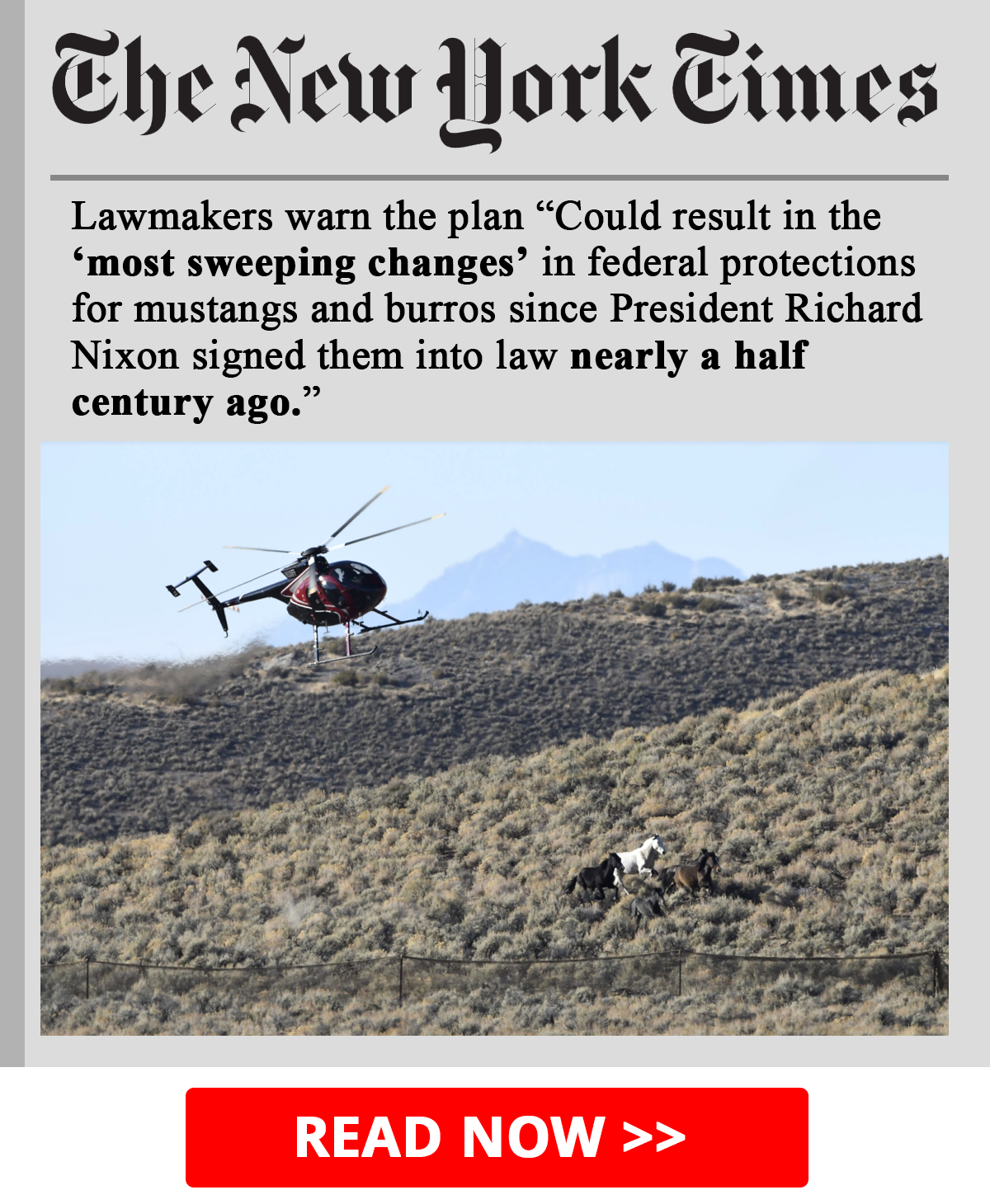
Thousands of you reached out to your members of Congress (thank you!) and news of this bipartisan mustang protection effort has been carried across the nation, including in The New York Times.
We have terrible news. 15 more wild horses from Fish Springs have lost their freedom, and the community is heartbroken. Beloved and well-known stallions, Rocky, Shadow and Rusty, and their families are no longer free and are incarcerated in BLM holding pens near Reno joining Samson and his family.
Worse, the BLM refuses to hear the will of the people and is intending to leave the…
The Bureau of Land Management (BLM) is currently conducting a roundup at the Desatoya Mountain Herd Management Area located approximately 77 miles east of Fallon, Nevada.
The BLM plans on permanently removing 431 wild horses from the area with the intention of leaving just 127 in the herd (leaving one horse per 1,273 acres of public land). Our field representative was on the ground and joined local advocates in warning the BLM to properly flag ALL barbed wire fencing to prevent scared wild horses from colliding with it.
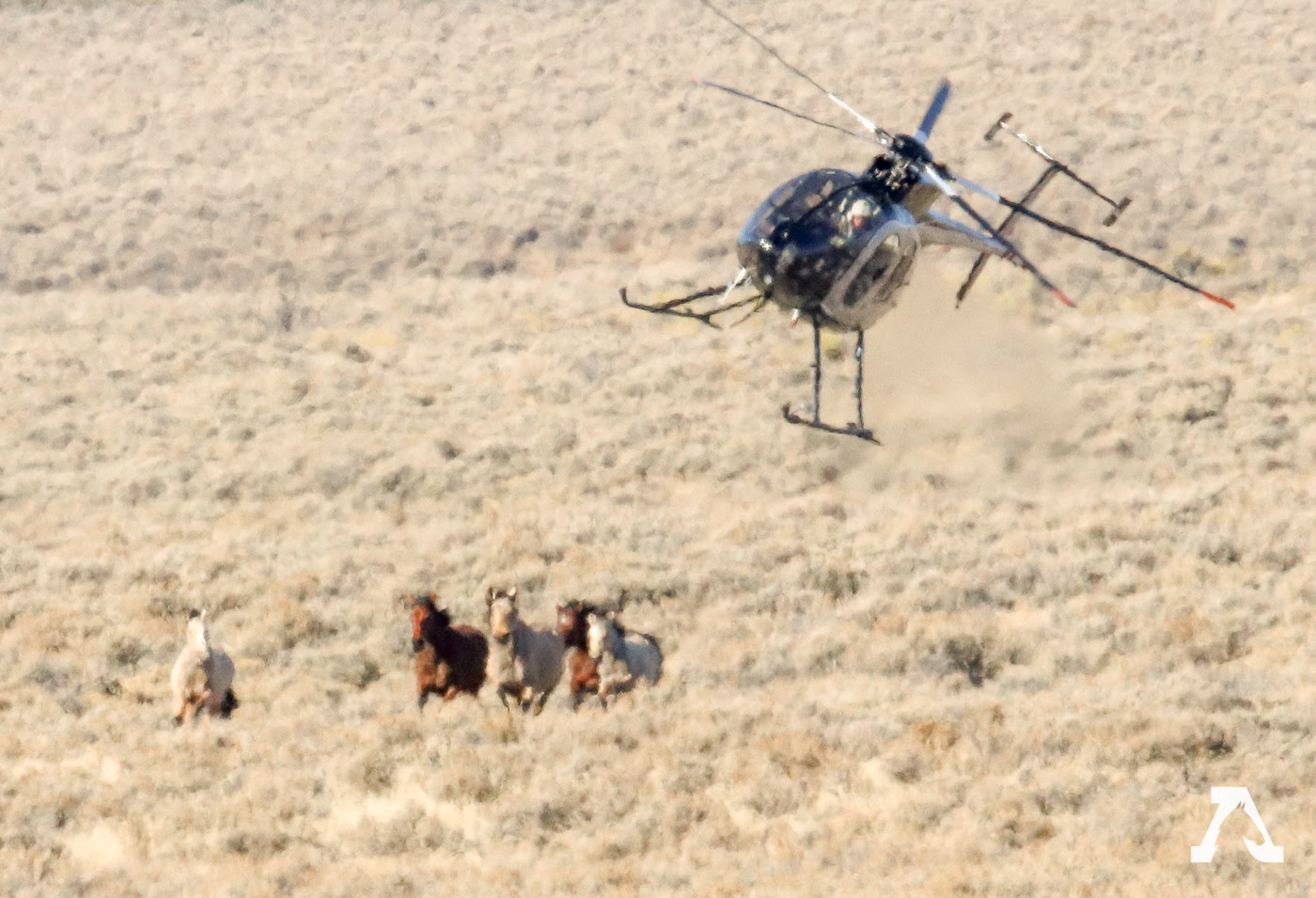
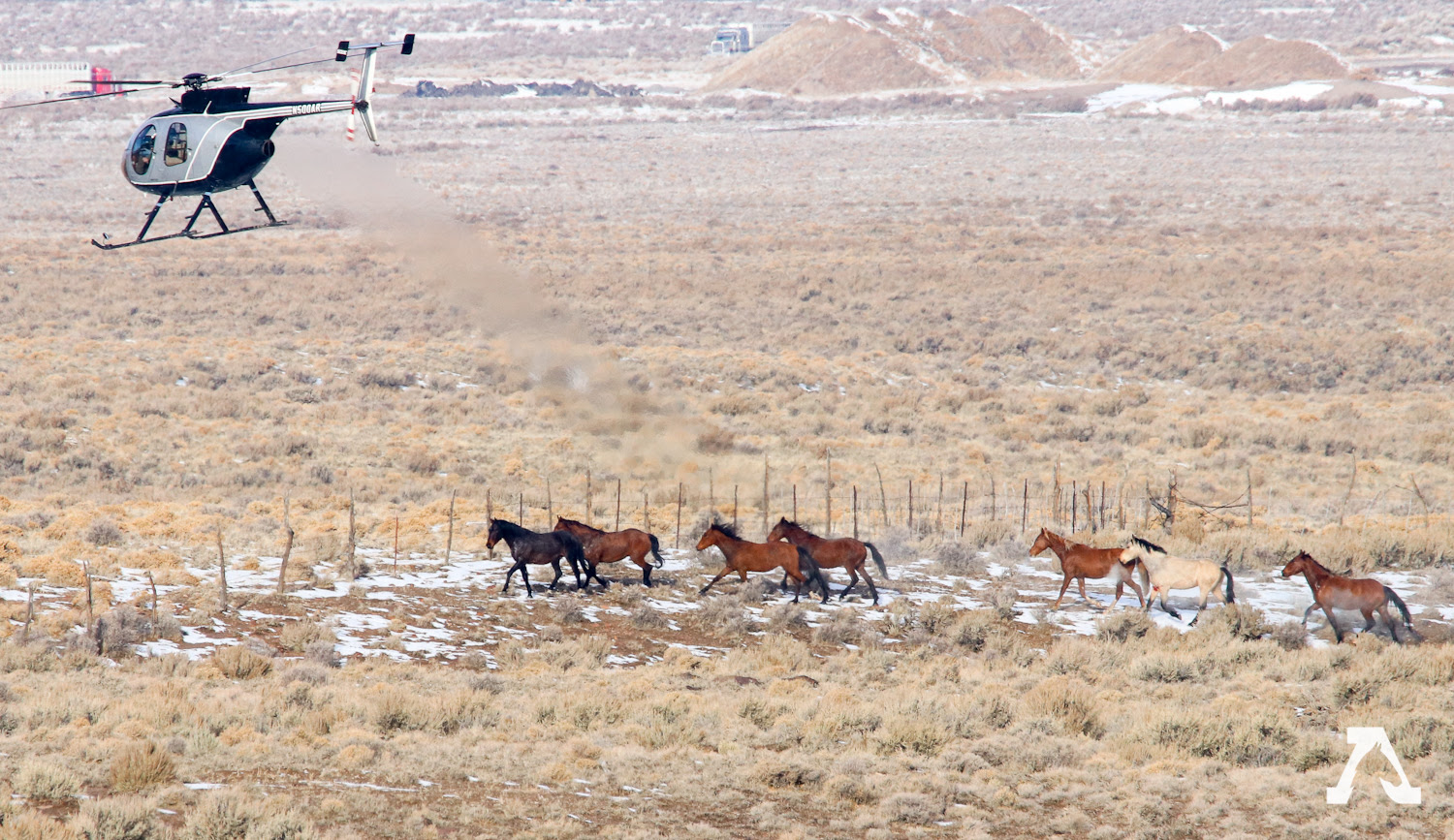
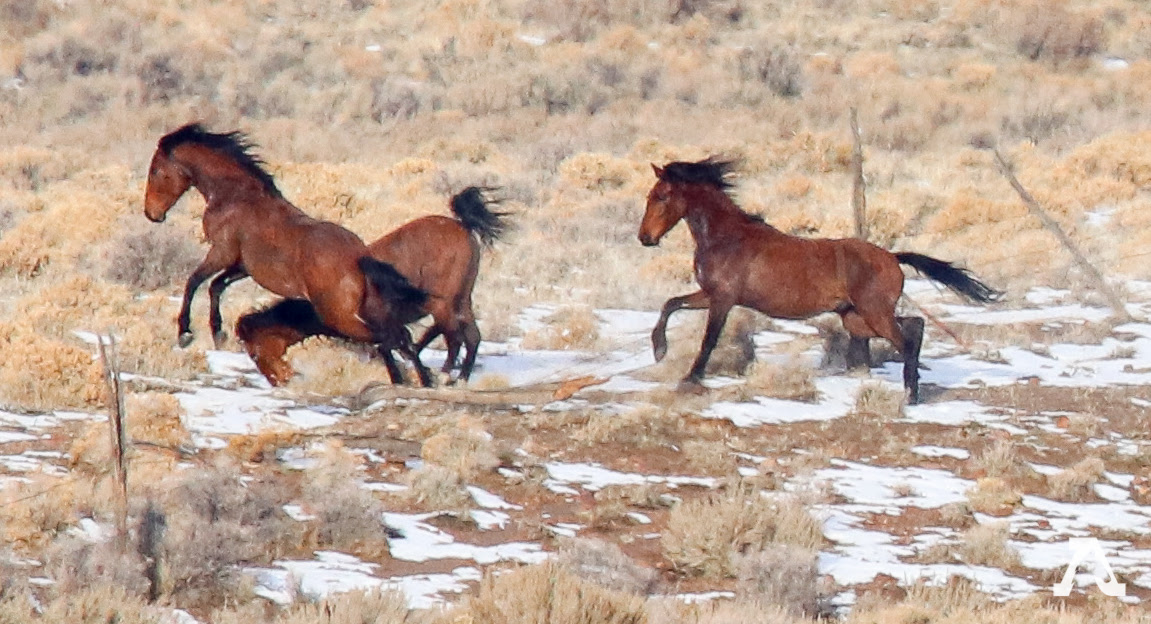
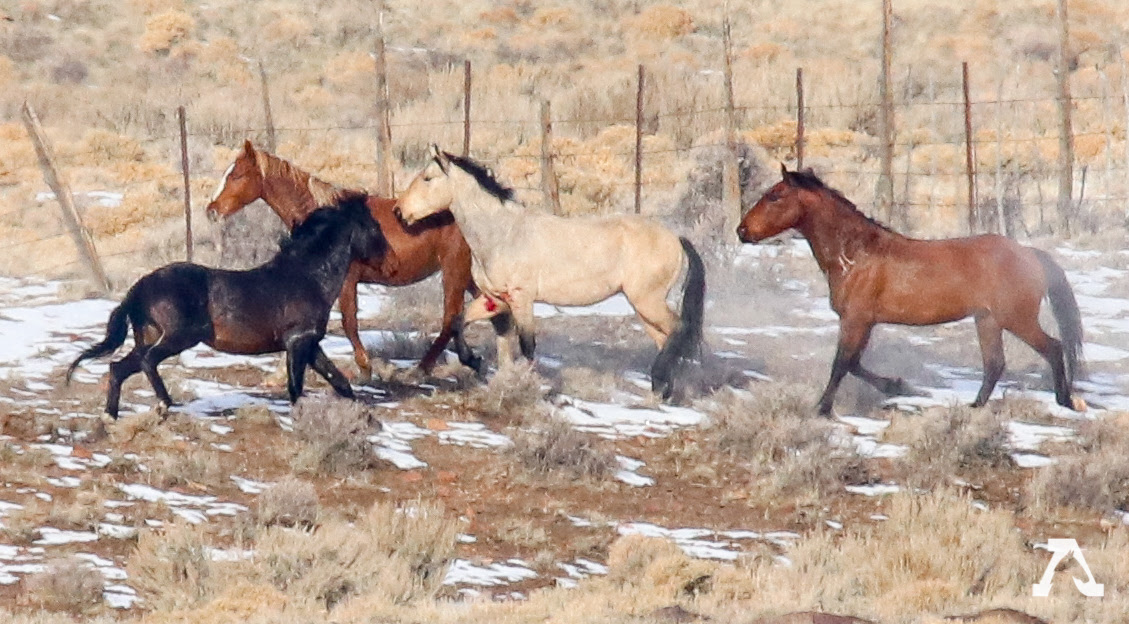
Our warnings were not heeded and terrified wild horses fleeing helicopters crashed through multiple barbed wire fences as a result.
This is just further proof that these roundups are unnecessarily cruel (and entirely unnecessary)!
AWHC’s field representatives are sometimes the only eyes, ears, and oversight on the site of roundups throughout the West. But AWHC does more than just document these roundups, our legal counsel just filed a complaint with the BLM over this recurrent problem and we intend to hold the agency accountable.
We’re also working to make roundups a thing of the past by demonstrating that there are safer, far more humane and cost-effective ways to manage wild horse populations (in fact, we’re implementing the world’s largest humane management program for wild horses right here in Nevada).
We know these photos are heartbreaking and the news of these roundups can be disheartening. But we can’t lose hope — When we lose hope, our wild horses lose their voice and their chance to live in peace in the wild.
With a heavy heart, we have sad news to share with you.
The Bureau of Land Management set up a trap outside the Fish Springs Herd Area near Gardnerville, Nevada to remove wild horses over the Thanksgiving holiday. Unfortunately, an entire family of wild horses lost their freedom as a result. Two treasured stallion brothers and four generations gone in a flash.
This is Samson.
Samson is a beautiful and respected stallion, known and loved by the local community — And known internationally among the tens of thousands of people who keep up with him and his fellow Fish Springs horses on Facebook.
After being caught in the trap, Samson and his family were loaded onto trailers and shipped to BLM holding pens near Reno. Soon the family could be separated by the BLM and sold off to the highest bidder.
We know Samson and his family belong together and deserve to be free. That’s why we’re organizing a national petition drive to keep them together and return them to the wild.
Samson’s family includes his brother Jet, and his mares Old Momma, her daughter Apple, Apple’s daughter Dumplin’ and Dumplin’s baby little Sam (pictured together below). Old Momma has been on the Fish Springs Range for more than 20 years and wants to go home.
They lost their freedom because one resident called the BLM to formally complain about these wild horses on his property.
The local community pressure was enormous, calling on the resident to remove the trap, which he finally did.
The very person who called in the complaint with the BLM regrets doing so and wants Samson and his family to stay together on their home range in Fish Springs.
P.S. — The BLM’s removal of Samson and his family shows, once again, the heartlessness of this agency’s wild horse and burro management policies. Please consider supporting our work to fight these policies and keep wild horses and burros in the wild by making a donation (every dollar makes a difference in this critical fight!)
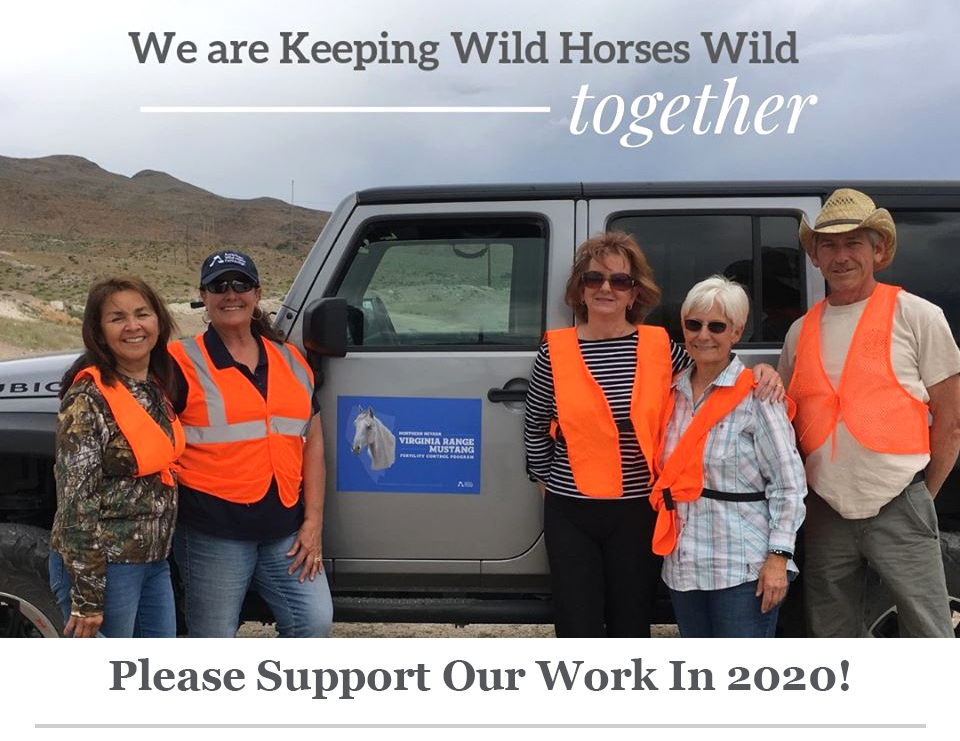
AWHC has an incredible team of staff, specialists and volunteers across the country working to keep America’s wild horses and burros wild.
The Bureau of Land Management is trying to convince Congress that mass roundups and surgical sterilization of wild horses are the only solutions to managing America’s wild horse and burro population. With the capitulation of the ASPCA, HSUS and Return to Freedom to the livestock industry agenda, we’re the last ones standing fighting for the future of wild herds.
Make no mistake: the scale of the removals proposed — a staggering 130,000 wild horses and burros over the next ten years — will result in both the destruction of wild horses and burro populations in the wild and the mass slaughter of those held in captivity.
AWHC is fighting back hard, in Congress, in the courts and in the field where we’re implementing humane management programs to prove that wild horses and burros can be managed without harming them.
The Acting Director of the Bureau of Land Management labeled wild horses and burros as the greatest threat to public lands. He’s spreading disinformation and throwing his support behind cruel plans that could result in the wholesale slaughter of these beautiful animals in our lifetimes.
We refuse to let him get away with this. So when you make a donation to support AWHC, here’s where your money is going:
Education and Advocacy — From Nevada and Utah, to Oregon and Wyoming, sometimes the only public observer on site for roundups is one of our field representatives. But we do more than document these cruel acts. Over the past ten years, we’ve grown our grassroots base 100x in size so that we can be a powerful collective voice for protection of wild horses and burros and against their slaughter.
In The Wild Management — In northern Nevada, AWHC is implementing the world’s largest humane management program for wild horses. The cornerstone of this highly successful program is the remote darting of wild mares with the birth control vaccine PZP. We’re proving that there is a cost-effective, humane, and safe way to manage wild horses that would make roundups and slaughter a relic of the past.
Legislation — From statehouses to the U.S. Capitol, AWHC ensures that wild horses and burros have a voice in both state and federal government. We spearheaded state efforts like California’s AB 128 (which passed this year) and fought successfully in Congress to defeat language that would allow for the transfer and mass killing of wild horses.
Litigation — AWHC and our coalition partners have a strong record of successful litigation, winning over 90% of the cases we file. We’re currently involved in six major lawsuits to prevent inhumane surgical experiments on mares as well as prevent the removal of thousands of wild horses throughout the West. Over the years, we’ve put in place precedents that will stand the test of time, upholding important legal protections granted by Congress to America’s iconic mustangs and burros.
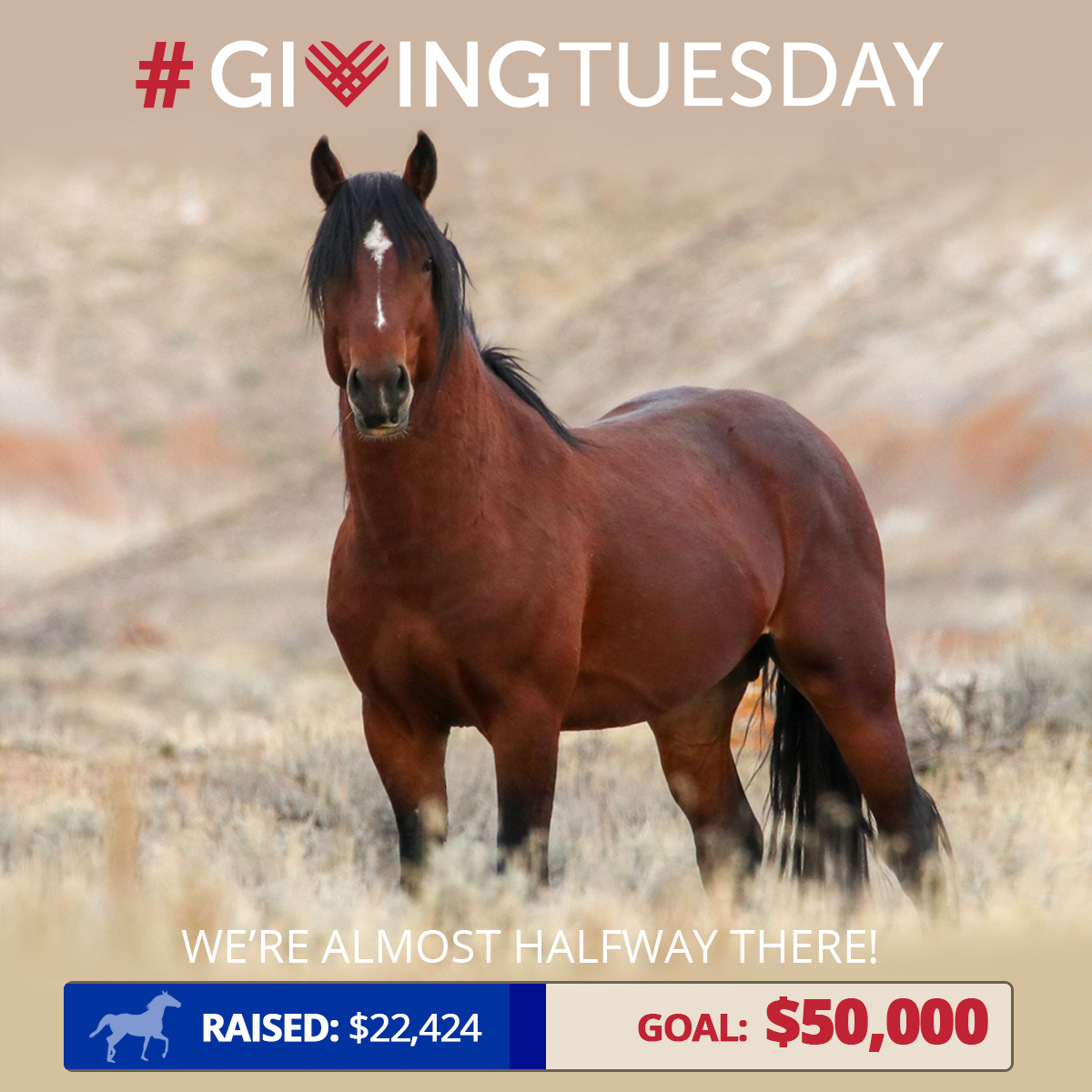
We wanted to share this incredible news with you: A generous donor is pledging to match ALL donations up to $50,000 between now and midnight tomorrow for #GivingTuesday.
This year, a $5 billion plan was introduced that would put wild horses and burros on the pathway to extinction. The commercial livestock industry is pushing for the implementation of this plan that would accelerate roundups and remove an unprecedented number of wild horses and burros from our public lands.
Our wild horses and burros don’t have corporate lobbyists and PACs to advocate on their behalf. But our staff, our volunteers, and generous supporters like you? We give them a voice and we give them a fighting chance.
We will never stop fighting. Your donation helps us support legislation to prevent the slaughter of horses and powers our legal team to make roundups a thing of the past.
It gives our team the resources and tools it needs to document roundups and our volunteers the equipment necessary to dart horses with fertility control to prove there is an ethical, cost-effective way to manage wild horses that doesn’t include inhumane roundups and slaughter.
For many of us, the #CyberMonday deals are hard, if not impossible, to beat. They offer the perfect opportunity to purchase presents and gifts for coworkers, friends, and family ahead of the holiday season.
But did you know that if you are purchasing through Amazon, you can help us save wild horses and burros? By using our nonprofit link (here!), a portion of your purchases will go towards our work to keep wild horses and burros wild.
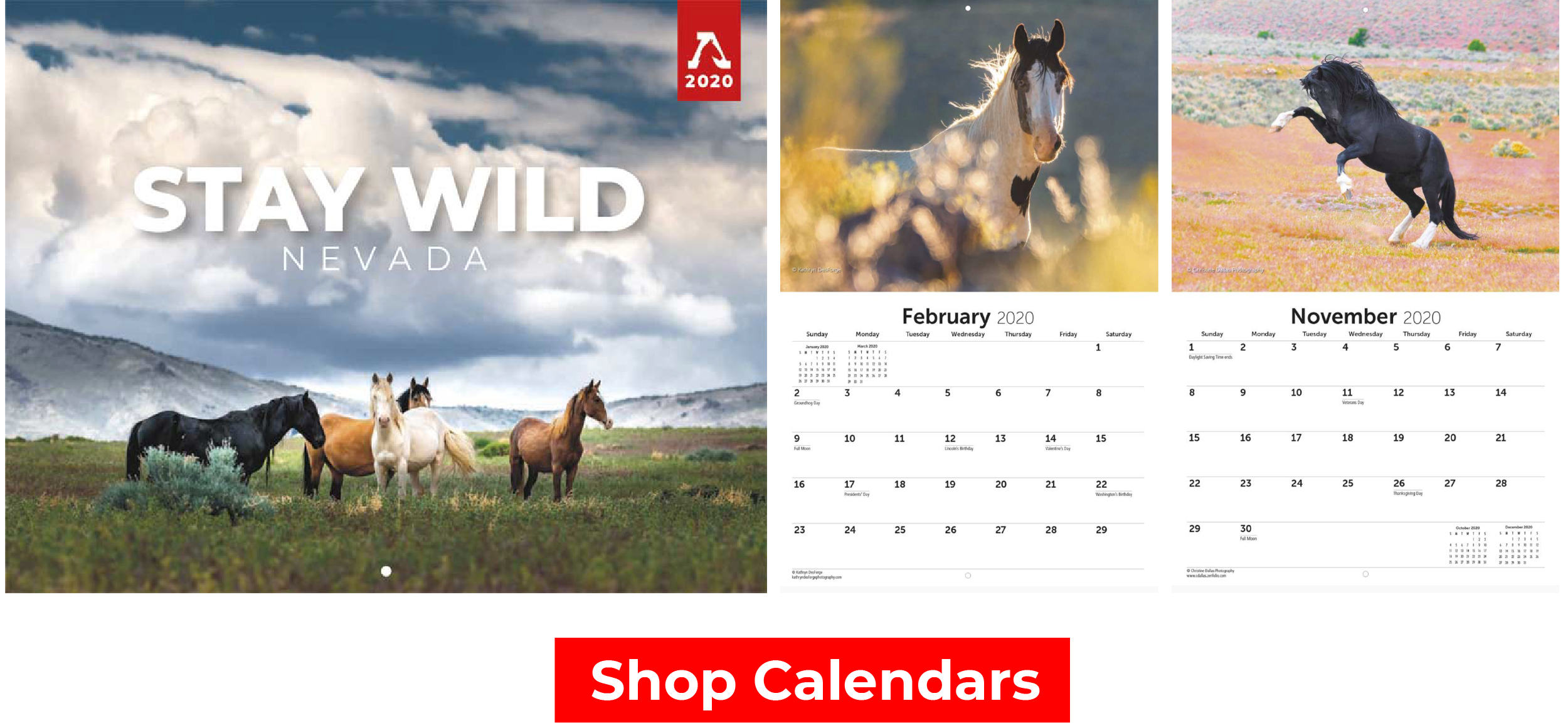
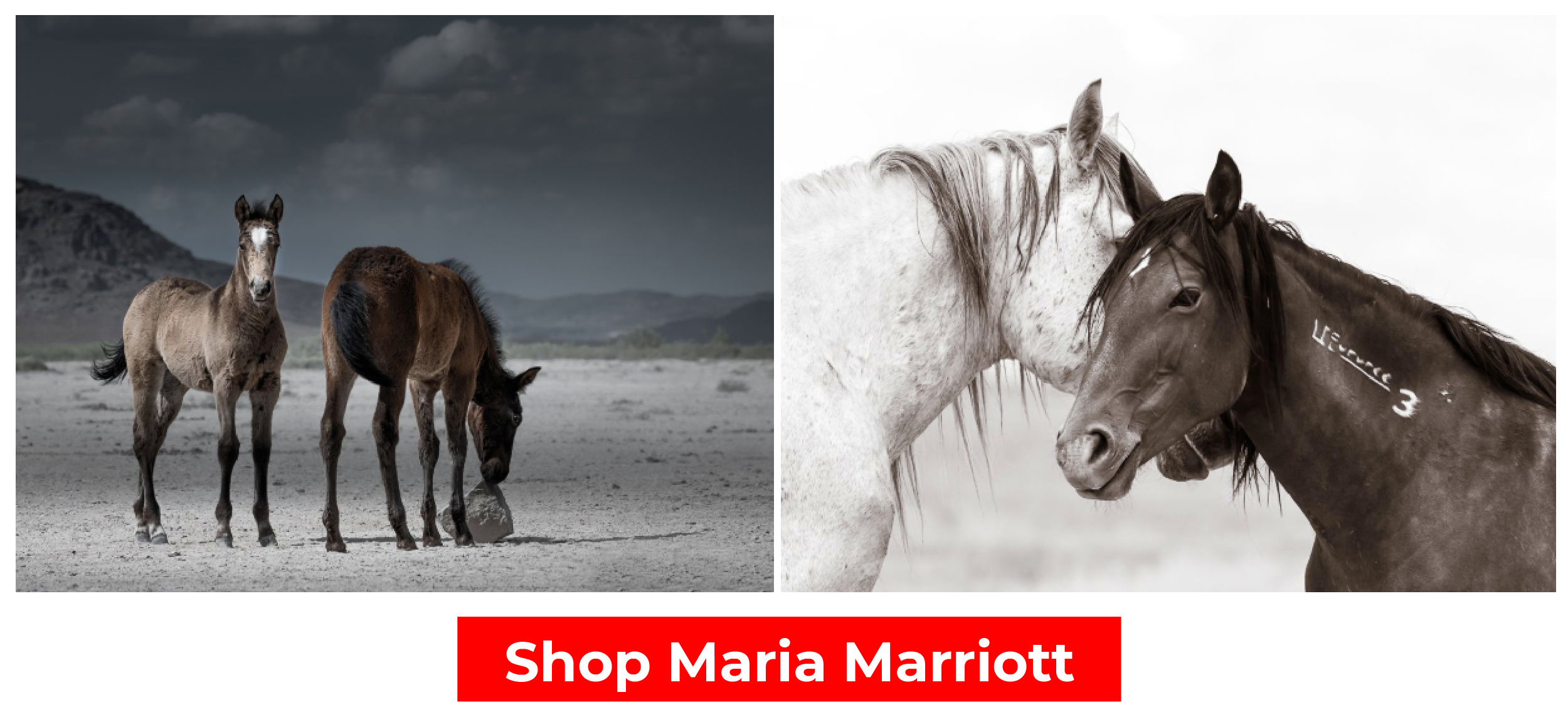
And if you haven’t checked it out, you can get your hands on everything from calendars to coffee, clothing and prints to make the perfect gift for the animal lover in your life (or, just treat yourself!).
Go wild with your gift-giving this year and a portion of the proceeds will go toward the fight to keep wild horses and burros wild!
We’re thinking about gratitude this week, and want you to know how deeply grateful we are that you are part of our “herd.”
We know that some of the news we share with you is heartbreaking and sometimes difficult to stomach. But it’s important to remember that, together, we’ve accomplished some incredible work this year despite the obstacles — And that’s thanks to you and your continued support.
At a time when the threats against wild horses and burros continue to grow, we’ve experienced an outpouring of support from all across the nation by dedicated and compassionate people who are taking a stand to defend these beautiful animals.
Never underestimate the impact you are making. It’s making all of the difference. So on behalf of our team and America’s wild horses and burros: Thank you.
Warmest wishes to you and your family for a very Happy Thanksgiving.
We’re officially one week away from #GivingTuesday, which is one of the largest days for charitable giving in the United States for the entire year. Our ability to hit our annual fundraising goal at the end of the year depends on having a successful #GivingTuesday.
Here’s Why We Need Your Help: Over the past weeks, we’ve been sharing the news with you. The BLM outlined a $5 billion plan that could result in the removal and potential wholesale slaughter of America’s wild horse population in our lifetimes.
The Congress is currently considering giving the BLM more money to accelerate roundups and begin implementation of the plan. This is the biggest threat to mustangs and wild burros in generations and it could begin early next year — Which means we’re in a fight for their lives in 2020.
Our 2020 budget and the extent to which we can fight back (and expand our work in critical areas!) depends on reaching our end of year fundraising goal. And the only way we can achieve that is if we can bring on 5,000 individual donations on #GivingTuesday.
This is an ambitious goal, we know. But the stakes have never been higher and with your help, we will rise to the occasion.
Together, we are unstoppable,
American Wild Horse Campaign
P.S. — If you can’t donate, we completely understand. But there’s a way you can help us out without giving a cent. Share this email with three friends to help us spread the word and recruit more friends of America’s wild horses and burros!
“Zero wild horses.” That is the Appropriate Management Level the Bureau of Land Management (BLM) set for the Seaman and White River Herd Areas (HAs) in Nevada.
As a result, the BLM rounded up and removed 294 wild horses from these HAs this month with 9 dead. AWHC asked the BLM to delay any action until the court ruled in our Caliente Complex lawsuit about the legality of such a decision.
The BLM proceeded, until they halted the roundup because most of the horses were at higher elevations in the juniper forests where the helicopters couldn’t get them. The BLM says it will resume in January when the temperatures drop and the horses come down to lower ground. The BLM did allow public observation during this month’s roundup and most days, our observer was the only member of the public onsite to document and monitor the operation.
We are the eyes and ears on the ground. If it weren’t for that lone AWHC field representative, the public wouldn’t have insight, nor the BLM accountability, regarding this roundup — and many others.
Below Are Photos Our Observer Took During The Seaman and White River Roundup:
These photos are heartbreaking. Wild horses deserve to be free and live in the wild. That’s why it is critical we continue to observe, document and report on the atrocities the BLM is committing, while continuing to fight in the courts, in Congress and in the field to stop the roundups and implement humane management.
Four months. It’s been nearly four months since the Bureau of Land Management (BLM) passed the deadline to submit a report to Congress regarding the future of the Wild Horse and Burro Program.
Despite that, the Acting Director of the BLM has made time to serve the interests of his former clients and piece together a propaganda campaign in support of a $5 billion plan that will likely end with the slaughter of America’s wild horses.
This comes at a time when Congress is considering allocating more money to the Wild Horse and Burro Program without even seeing the BLM’s critical report!
We’re not the only ones fed up with this. Seven members of Congress are teaming up to demand the BLM issue this report ASAP since they missed the latest deadline.
The Bureau of Land Management (BLM) announced its decision to round up and permanently remove ALL wild horses from the Caliente Herd Area (HA) Complex in Nevada.
It should come as no surprise that the BLM did not consider reductions to domestic livestock in the same area before announcing its intention to eradicate the Caliente Complex mustangs. This comes as the Acting Director of the BLM has repeatedly sided with private livestock owners over the lives of wild horses.
But this decision is different from authorizing a standalone roundup — The BLM decision would eradicate mustangs in eight of the nine Herd Management Areas (HMAs) in the Caliente Complex.
That’s why AWHC joined with The Cloud Foundation (TCF) and Western Watersheds Project (WWP) to sue the BLM and stop them.
Under federal law, mustangs are one of two animals in our country specifically protected by an Act of Congress. The bald eagle is the other. As part of the 1971 Wild Free-Roaming Horses and Burros Act, wild horse populations must be managed to maintain “a thriving natural ecological balance.”
1 ) By refusing to protect wild horses or give full consideration to the long term impacts of this wild horse wipeout plan, the BLM deprived the American people of the opportunity to assess and respond to the rationale underlying this major decision.
2 ) Additionally, the BLM must consider reasonable alternatives short of the outright elimination of wild horses in these HMAs. By refusing to consider a reduction in livestock grazing, the BLM is violating the National Environmental Policy Act , its mandate to protect wild horses under the 1971 Wild Horse Act.
3 ) Remember — more than 500% more BLM land is authorized for livestock than for wild horses and burros in the West, and many of these private livestock owners benefit from as much as half a billion dollars annually in taxpayer subsidies. The claims of wild horse “overpopulation” by the BLM are false, further evidenced by the fact that wild horses are not found on 88% of BLM lands.
That’s why AWHC’s legal team is suing. Our suit regarding the Caliente Complex was just fully briefed on summary judgment, meaning it is officially moving forward at a time when the threat of slaughter is once again looming large.
The Bureau of Land Management is moving fast — This past week alone the BLM concluded a roundup in the Challis Herd Management Area (HMA) in central Idaho and announced that the agency will be moving forward with a plan to reduce the size of the wild horse and burro population in the Twin Peaks HMA in northeast California by 80% over the next 10 years.
Challis Roundup: 295 Wild Horses Captured
The BLM forcibly removed 295 wild horses from the Challis HMA between Nov. 5 and Nov. 11 as part of the Idaho roundup. This week the agency is expected to complete a census flight to determine how many wild horses will be returned to the 169,000-acre area.
The vast majority of the wild horses removed from these public lands will not be returned to the wild. Many will spend their lives in the BLM’s holding facilities, or worse, face being killed or sold for slaughter if Congress pulls the plug on funding for their long-term care.
We can expect the roundups to be greatly accelerated if the Senate approves the $5 billion plan, pushed by the livestock industry and BLM’s Acting Director, which would reduce wild horse populations in the West to near extinction levels.
You can read more about the Challis Roundup in this article from the Idaho Statesman here.
Twin Peaks HMA: BLM Officially Moves to Reduce Herd Size
The BLM recently released its management plan for the wild horses and burros of the Twin Peaks HMA — Including future helicopter roundups and fertility control over the next ten years.
According to the Sierra Sun Times: “This plan calls for several approaches, including using helicopter drive trapping, bait-and-water trapping and fertility control to reduce the herd … over ten years.”
While AWHC supports using fertility control, we do not support the drastic reduction in herd sizes for wild horses and burros in this HMA.
Nearly 90% of the existing wild burro population will be removed over ten years, leaving just 72 animals on the range and destroying the genetic health of this herd.
For the Twin Peaks wild horses the plan is almost as bad: reduce the herd by 80% and release castrated stallions (geldings) onto the range, a move that will take the wild out of these wild horses by destroying their natural behaviors. AWHC has a pending case at the Ninth Circuit Court of Appeals that will determine whether or not the BLM can release geldings onto the range before its research into the impacts of the procedure on wild horses is completed.
Acting BLM Director William Perry Pendley’s recent declaration of wild horses as the top existential threat to public lands (even though wild horses aren’t on 88% of BLM land!) and his claim that it will cost $5 billion to “solve” the wild horse “problem” is the culmination of a years-long propaganda war against mustangs and burros.
The war is being waged by the commercial livestock industry, which seeks virtual eradication of these cherished animals in order to maximize taxpayer-subsidized grazing of privately-owned cattle and sheep on public lands.
This anti-mustang propaganda war was boosted recently with the capitulation of the Humane Society of the U.S., ASPCA and Return to Freedom to the cattlemen’s mass mustang roundup agenda.
With that in mind, your team at AWHC has been fighting back hard — from the battleground of Nevada to the seat of power in Washington DC — and we want to share some of our most recent work with you today.
Fighting Back at Ground Zero in the Wild Horse War: Nevada
On October 23, we organized a high-profile press conference with Nevada business leaders and a leading conservationist to counter the anti-wild horse messaging at a screening later that evening of the propaganda film “Horse Rich Dirt Poor.”
Well known real estate developer and Storey County Commissioner Lance Gilman and Erik Molvar, Executive Director of the Western Watersheds Campaign, struck back forcefully against the scapegoating of wild horses and in favor of protecting these iconic animals on public lands in the West. Read more about this highly successful event here.
Defending Wild Horses & Burros in Washington, DC
AWHC teamed up with our colleagues at Animal Wellness Action and The Cloud Foundation to hold a briefing on Capitol Hill for Congressional staff to discuss the mass roundup plan and its true cost to American taxpayers and the wild horses and burros we cherish. In one of the most successful Hill briefings ever, 35 staffers showed up to learn more about this issue that is obviously of concern to so many of their constituents. You can read more about this event here.
At the same time and a few miles away, the BLM Wild Horse and Burro Advisory Board was meeting — with AWHC staff in attendance to ensure that your voices were represented and heard.
Throughout the meeting, BLM officials and most advisory board members expressed their utter disdain for public opinion, which they dismissed as being “emotional” and “uneducated.” It’s clear where the public stands on the mass roundup and surgical sterilization plan, as our most recent polling documents. At the meeting, we made sure that the voice of the people was not ignored.
While we’re battling on the national front, AWHC is investing significant resources to protect locally cherished herds and support humane management programs.
From the Virginia Range — where our darters have delivered more fertility control treatments to wild horses in six months than the entire BLM did last year — to the Onaqui Mountains in Utah, where we’re helping the BLM and the Wild Horses of America Foundation expand an existing fertility control program, to the Salt River in Arizona where we work closely with the Salt River Wild Horse Management Group, we’re working every day to keep wild horses wild and prove that humane management work.
You won’t want to miss our latest updates from the field here.