| | |  | | | | | Dear Friends,


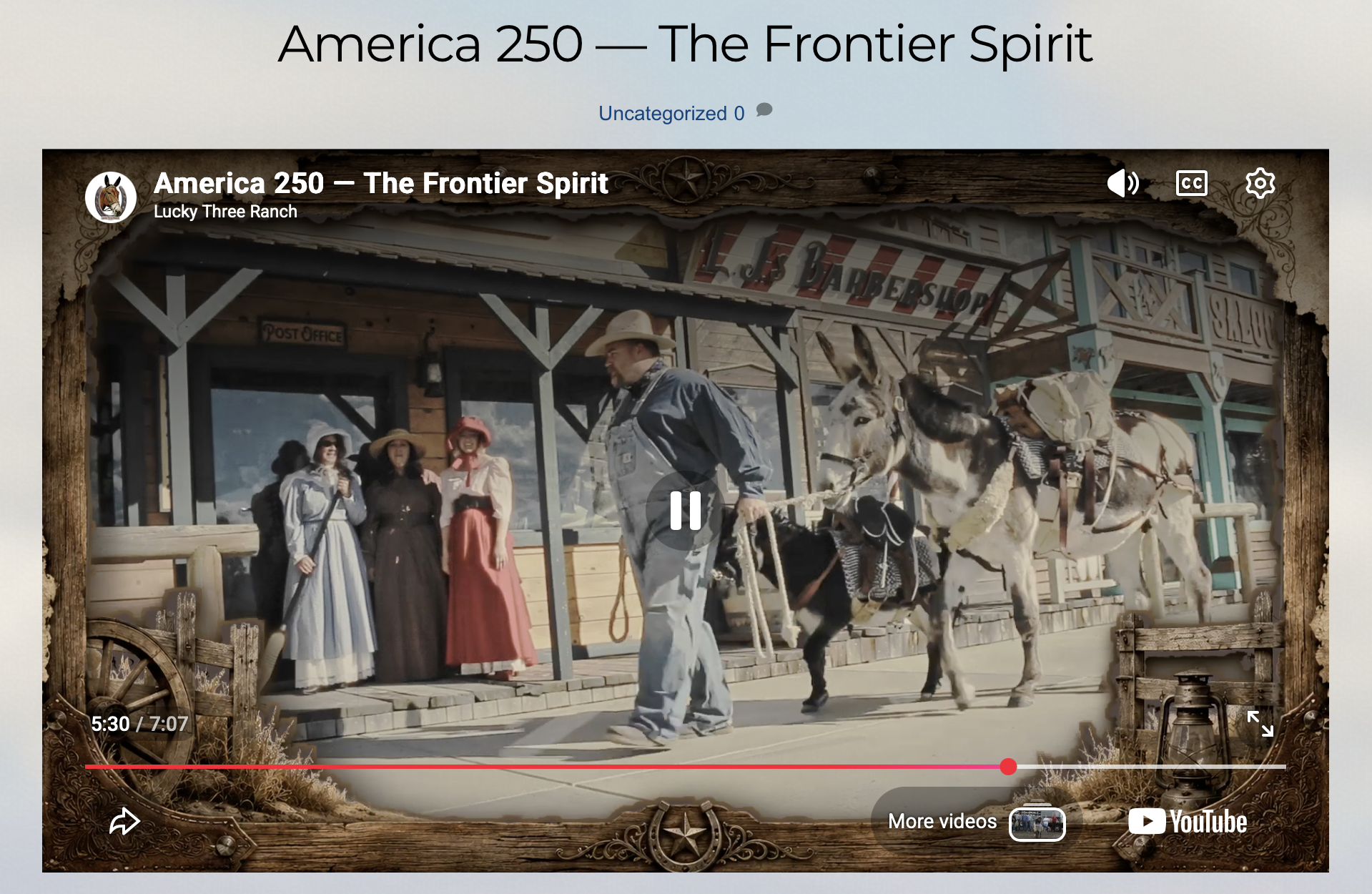
The main celebration is only a month away on the Fourth of July, our INDEPENDENCE DAY to celebrate the FREEDOM we all enjoy as Americans. At the Lucky Three Ranch, we opted to celebrate this very special year every month of 2026 with a new Patriotic Video Short on the first day of each month to relate the special story about how we built such an extraordinary country. America is like no other country in the world because of the unique nature of its citizens. Like the Longears we love, we are tough, we are strong. We are hard workers and meet every challenge with enthusiasm and perseverance. No task is too daunting. We maintain our sense of humor and our optimism. We realize that everything is possible if you are willing to just take that first step and keep going!
 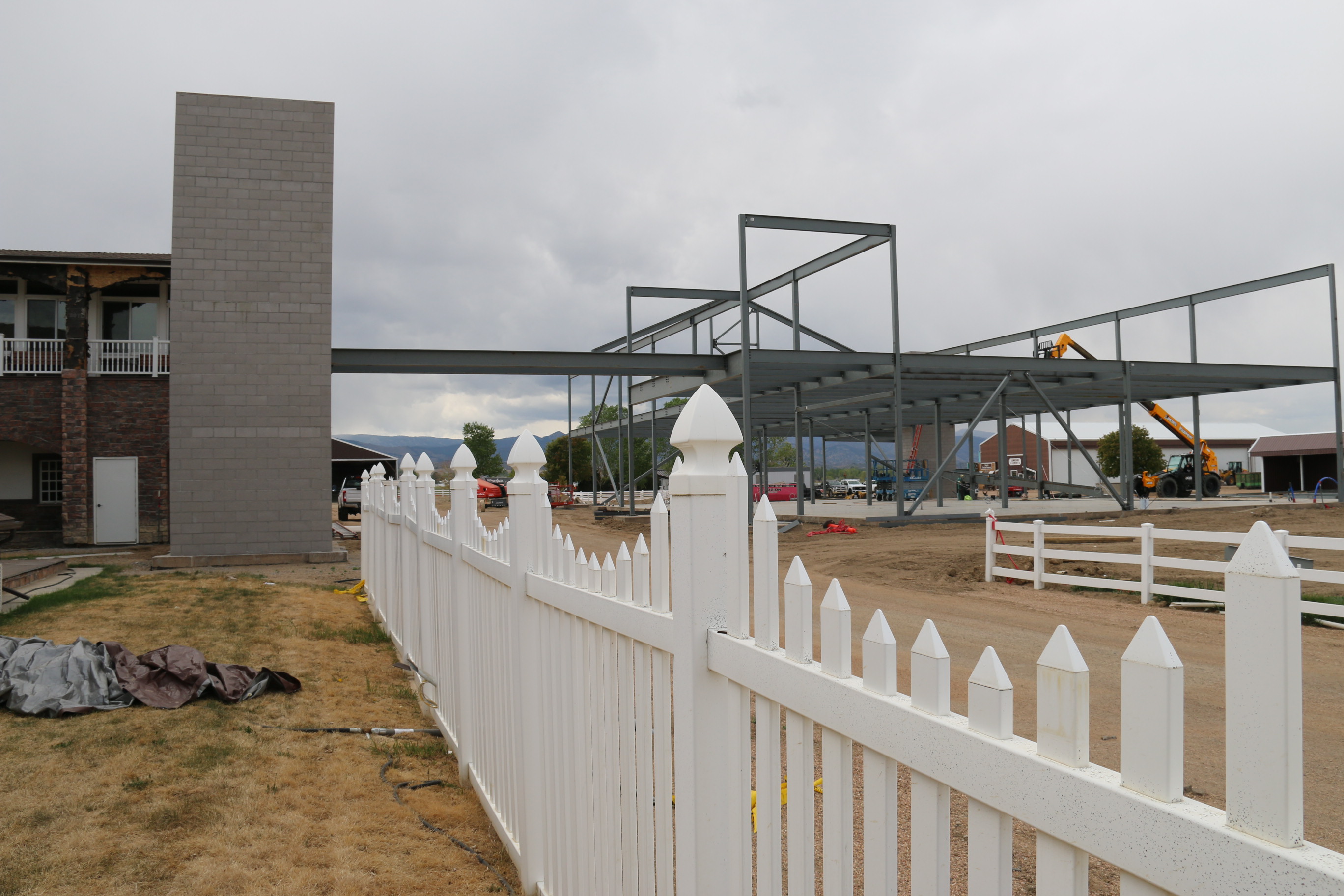
It’s easy to fall into the depths of despair and defeat yourself before you even get started, but it doesn’t feel very good and it’s difficult to rescue yourself. One can find oneself simply making excuses for NOT expending the effort to work with never-ending excuses...I don’t have the time, don’t have the money, don’t have the tools, don’t have the help, etc. It is so exciting to finally see the main museum building going up at Lucky Three Ranch. It wasn’t money that built the Lucky Three Ranch into what it is today...just pure grit and determination. It began with picking up all the rocks out of my 3-acre pasture enclosed by a barbed wire perimeter fence, throwing them into a wheelbarrow and then pouring them into a dump truck. It was shoveling 2 acres that were four-feet deep in sheep manure for two years before the ground was flat and clean enough to start building the barn. Doing the actual work was FREE and just required some genuine effort and a TON of PATIENCE.
 
The Longears taught me a LOT about patience! If you are willing to pay attention, you can learn how to be a much better person from your Longears and your good behavior WILL be rewarded! You can opt to make negative choices and misery does love company, but, you might not like the life you have chosen. Whining, complaining and making excuses won’t get one very far in life. My Dressage Instructor wouldn’t tolerate that kind of behavior during my riding lessons! I soon discovered that birds of a feather flock together, so it is far better to be optimistic and surround oneself with people of the same mind-set. It’s a lot of work, but it’s much more FUN and REWARDING!
 We applied for the Museum Building Permit early in the spring of 2025, but they really dragged their feet about getting it to us. Rather than just sitting around waiting for it and complaining, our subcontractors asked us what was on our To-Do list for after the building was done. They did not want to risk going to another job and then not be available if the permit came through. My Ranch Manager went over the legal-sized, 3-page To-Do list with the Subcontractor We applied for the Museum Building Permit early in the spring of 2025, but they really dragged their feet about getting it to us. Rather than just sitting around waiting for it and complaining, our subcontractors asked us what was on our To-Do list for after the building was done. They did not want to risk going to another job and then not be available if the permit came through. My Ranch Manager went over the legal-sized, 3-page To-Do list with the Subcontractor Manager and they found a lot that they could do with the permits they were already holding. Manager and they found a lot that they could do with the permits they were already holding.
While the County was dragging their feet getting us the permit, we managed to get almost everything done on the list including new steel fencing on our south border, felling our perimeter trees that were 30 feet high and over 40 years old, we tore out the underground pasture sprinklers, put in curbing around thee statues and new sprinkler lines with the heads pointed away from the bronze statues, 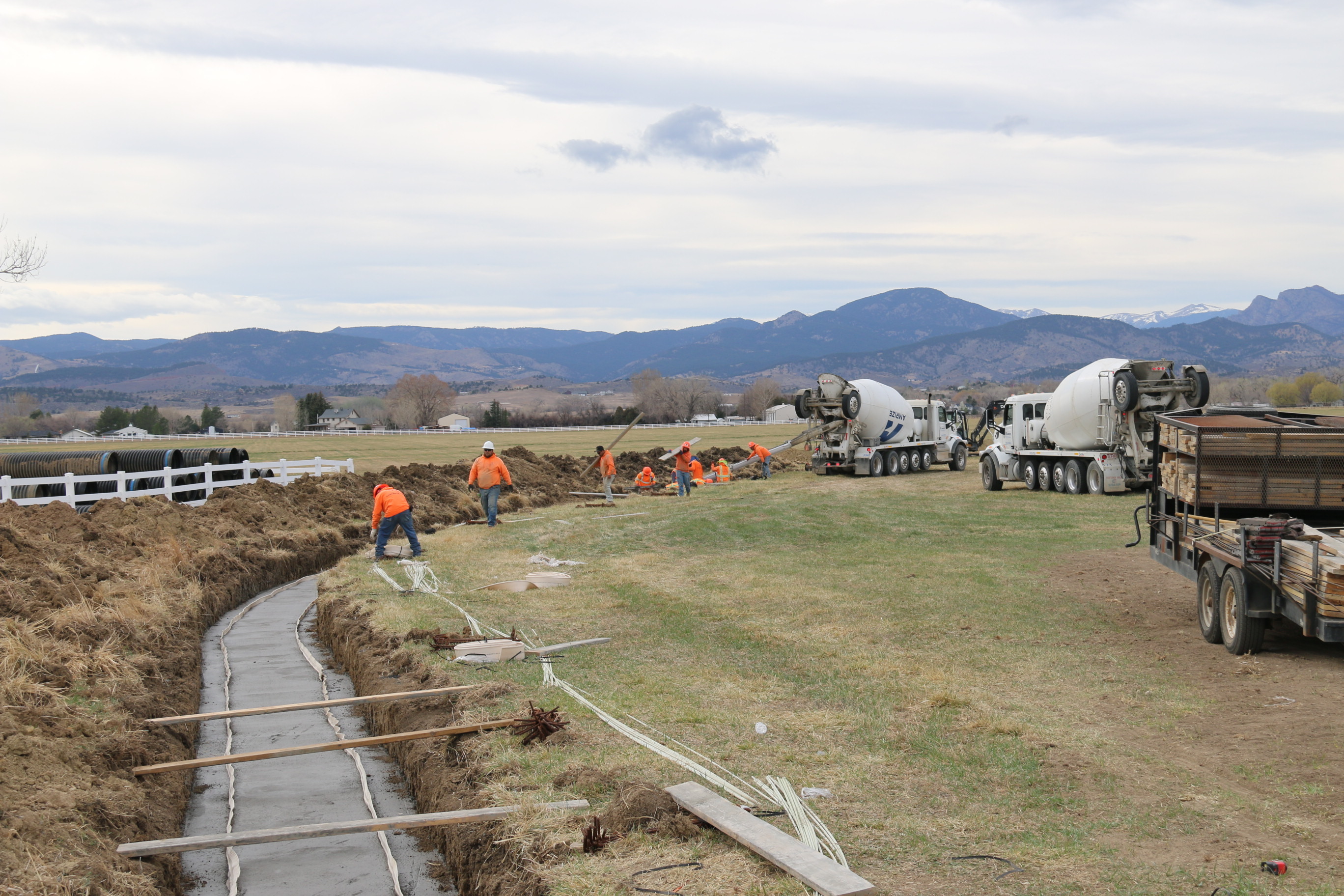 dug and cemented the old hayfield irrigation ditches, added 4-5 feet of fill dirt in the newly excavated turnout areas, built two new loafing sheds, installed heated beige-colored concrete around the garage, laid out the new cross fencing...and much more! Put quite simply, we spent the time efficiently by doing what we could (and did what God thought we should do at the time!) and we wound up being cost-effective as well in the long run! dug and cemented the old hayfield irrigation ditches, added 4-5 feet of fill dirt in the newly excavated turnout areas, built two new loafing sheds, installed heated beige-colored concrete around the garage, laid out the new cross fencing...and much more! Put quite simply, we spent the time efficiently by doing what we could (and did what God thought we should do at the time!) and we wound up being cost-effective as well in the long run!
 Now we finally have our permit and are constructing the main building. When we are done in March of 2027, we will no longer have all those extra jobs to do AFTER the building is finished! We all like HIS plan better! We got a lot more done around the ranch, in the office and had all kinds of free time to spend with friends! It just doesn’t get any better than THAT! GOD BLESS AMERICA! Wising you all the best in your lives going froward! Now we finally have our permit and are constructing the main building. When we are done in March of 2027, we will no longer have all those extra jobs to do AFTER the building is finished! We all like HIS plan better! We got a lot more done around the ranch, in the office and had all kinds of free time to spend with friends! It just doesn’t get any better than THAT! GOD BLESS AMERICA! Wising you all the best in your lives going froward!
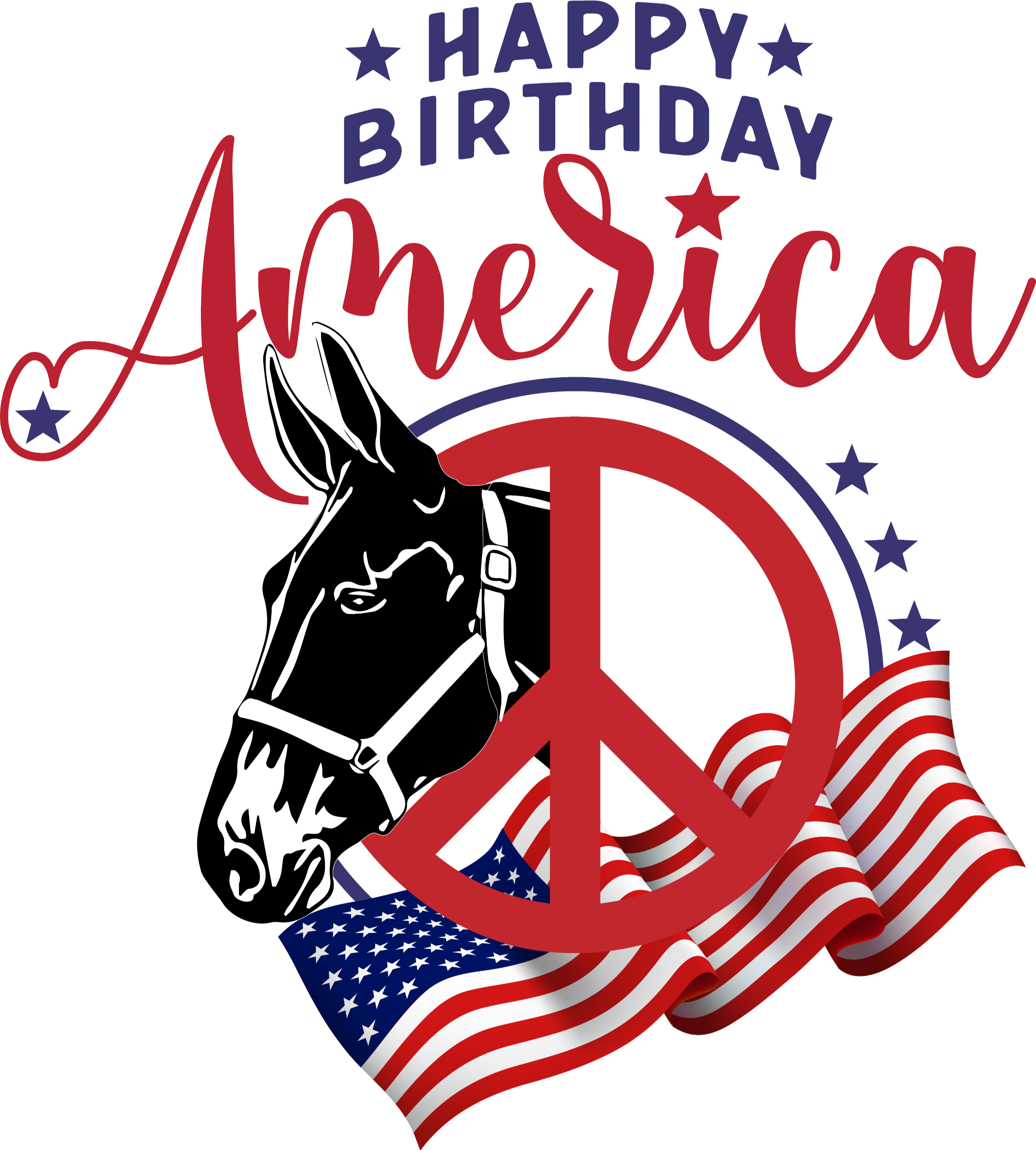
HAPPY 250th BIRTHDAY AMERICA!
Best wishes and Happy Trails,

CLICK ON IMAGES TO ENLARGE

Donated by Yvonne Kay
To: Meredith Hodges <meredith@luckythreeranch.com>
Subject: Sergeant Bruno
For seven long years, he served without ever asking for anything in return.
His name is Sergeant Bruno, a 7 year old Donkey veteran who walked beside soldiers through dust, danger and the deafening silence that follows an explosion.
On February 20, 2026, Bruno stepped off the plane from his final mission, his hooves tired, but his spirit still steady, just like it had been every day on the battlefield. Bruno wasn’t just a service animal. He was the heartbeat of his unit.
In his tenure, he saved more than 500 civilians; children, elders, families and 50 officers who owe their lives to the sharp instincts and brave heart of a donkey who never once hesitated.
While others ran away from danger, Bruno moved toward it, ears alert, trusting his team and protecting them with every step.
Upon arrival at the airport, he stands quietly beside his gear, wearing proudly his vest marked VETERAN, unaware of the hero the world sees when they look at him.
Passengers rush by with suitcases and tired eyes, but if only they knew… this calm, strong donkey has seen more, endured more and saved more lives than most humans ever will.
And now, his service is coming to an end.
On February 26, 2026, Bruno will stand one last time before his unit for his retirement ceremony. There will be medals, applause and maybe a few proud tears, but the only thing Bruno will care about is the familiar hands that gently pat his neck, the voices that call him “Good Boy,” and the feeling of finally going home, a hero’s home.
May his retirement be filled with green fields, warm shelter, good meals and the peace he earned a thousand times over.
Thank you for your service, Sergeant Bruno.
You protected a nation. Now let the nation honor you.
Happy Retirement, Brave Boy.
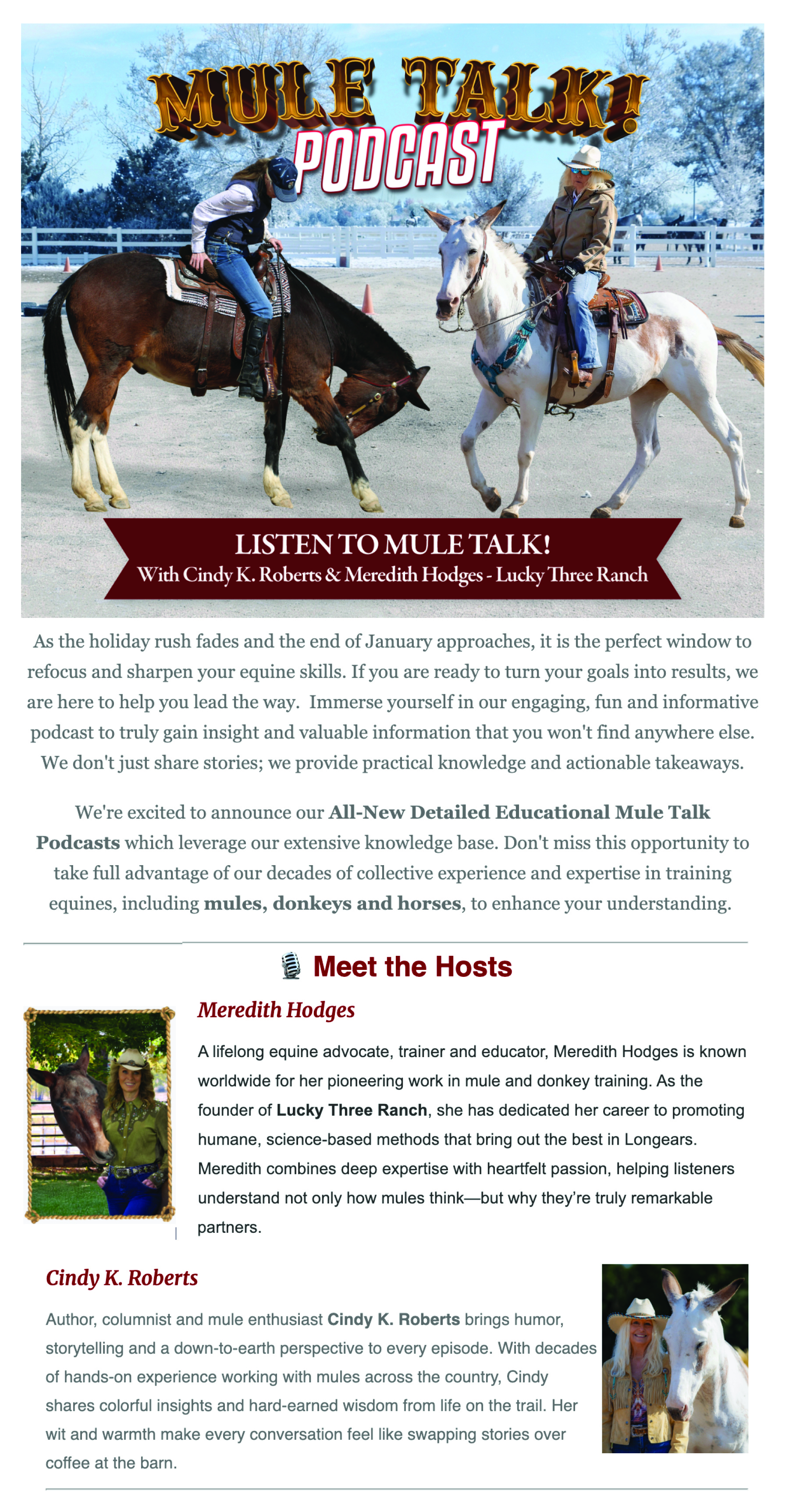
LISTEN TO MEREDITH ON MULE TALK with Cindy K. Roberts
Find Our New Detailed Educational Mule Talk Podcasts
click on the link and scroll down to the episodes with the  red star! red star!

| | |
| | |
|
| | |
| | | | | |
| | | | |
| | | | | ASK MEREDITH A QUESTION | | | Have a question for Meredith or want to give us feedback? | |
| | |
| |
| | | | | | | LTR Training Tip #51 | | Adjusting Tack & Equipment
| | Leading exercises for core strength in good equine posture are essential to the health and welfare of the abused equine.For more details, visit Lucky Three Ranch.
View many more training tips on our YouTube channel.
| | |
|
| | |
| |
| | |  | | |
TT – 121 “Training for Rehabilitation” Notes 2018

1) Our entire Training Mules and Donkeys series is broken down into small enough steps to identify problems in any equine. It provides exercises that are appropriate for any type of rehabilitation. The key is to always be kind, polite, respectful and considerate throughout all phases of management and training.
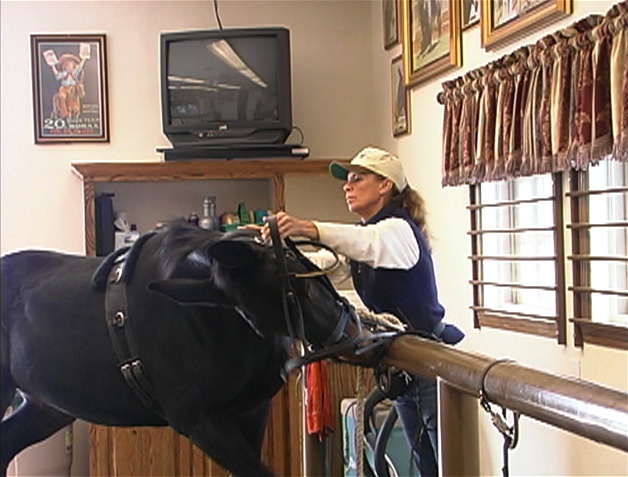
2) Athletic conditioning as we describe, is critical for the abused animal. You cannot do short-term training on an animal that’s experienced that much anguish and is that far gone. You have to get into the abused equine’s mind, and that’s why you have to begin with imprinting.
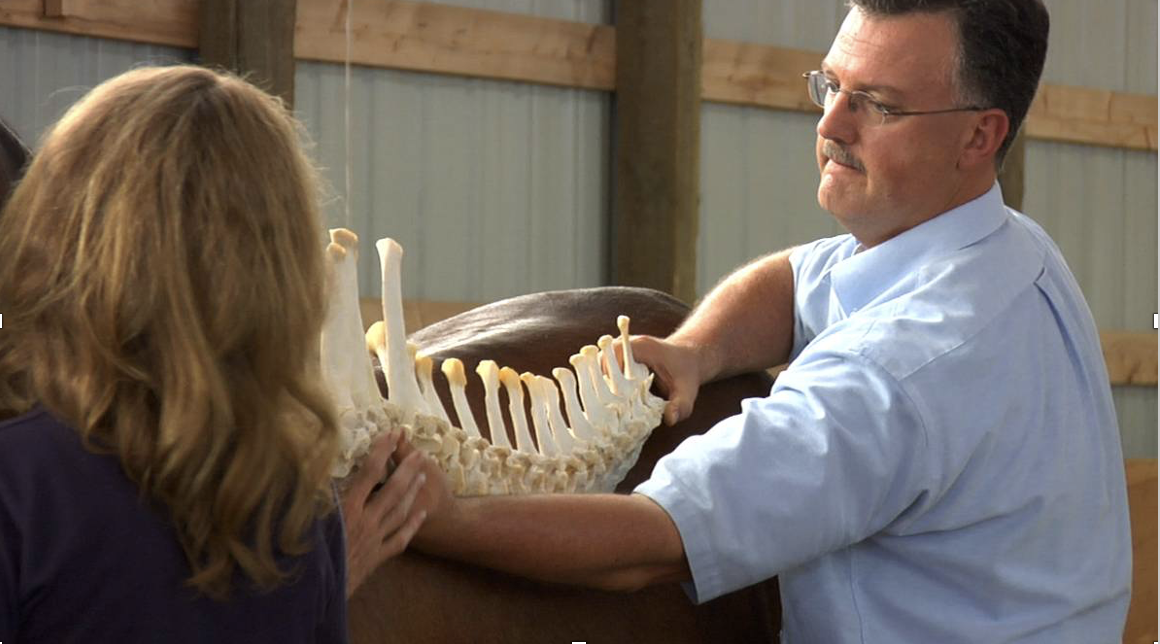
3) Dr. Haussler, of Colorado State University, says that trust is the biggest issue with these traumatized animals. Many equines have experienced either physical, emotional, psychological pain or all three. We need to rehabilitate the animal’s trust in man before we can “fix” anything else.
4) Certainly, these animals will never be what they were when they were young. But, you CAN get marked improvement and more than you might expect.

5) I think the most remarkable case we ever had was Midnight Victory. This was a mule I sold as a three-year-old. She was gone for 12 years and returned to the ranch sorely abused.
6) The key to working with an abused animal is to begin slowly. We were patient and allowed Vicki to get comfortable with her new surroundings. We measured the angles of her body to get a baseline, and masseuse, Joanne Lang, began massage therapy. For the first few weeks, even minimal human touch was painful for this poor mule.

7) When equine masseuse, Joanne Lang, first started working with Vicki, she’d look past her, or through her. She wouldn’t pay attention at all. That’s a dangerous animal to work on, because if an animal isn’t looking at you, he doesn’t know you’re there. And, if he doesn’t care that you’re there, he can hurt you without even meaning to. The nice thing with Vicki, is that as we worked with her, she started to connect with people again.
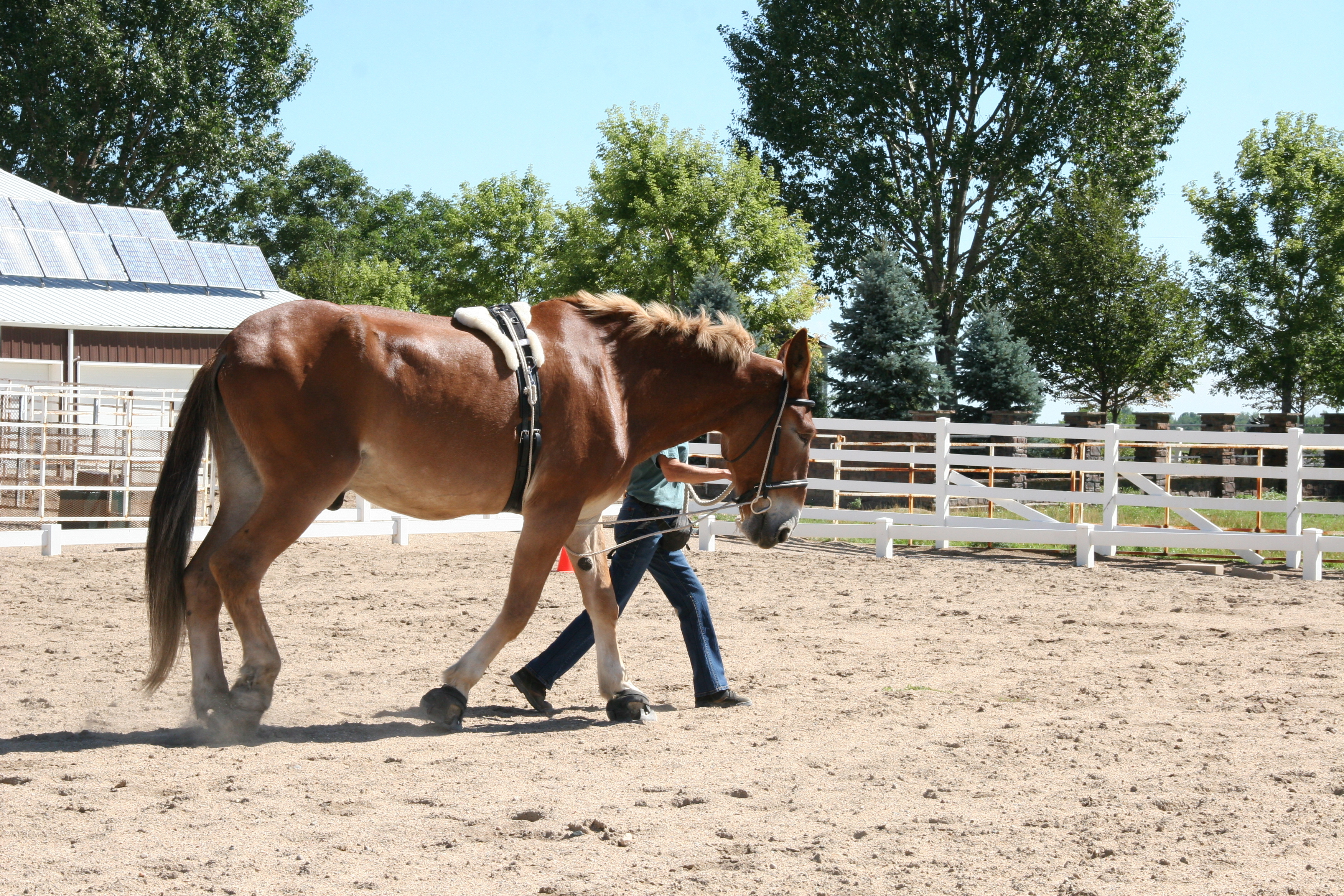
8) It’s so important to proceed slowly with an abused animal, and do only as much as he can tolerate at any given time. It’s paramount that you take the time to get the animal’s body back to some semblance of normal health and strength before you even think about getting on and riding. There are a lot of psychological issues to overcome as well. The equine needs consistent reassurance that you are not going to hurt him in any way.
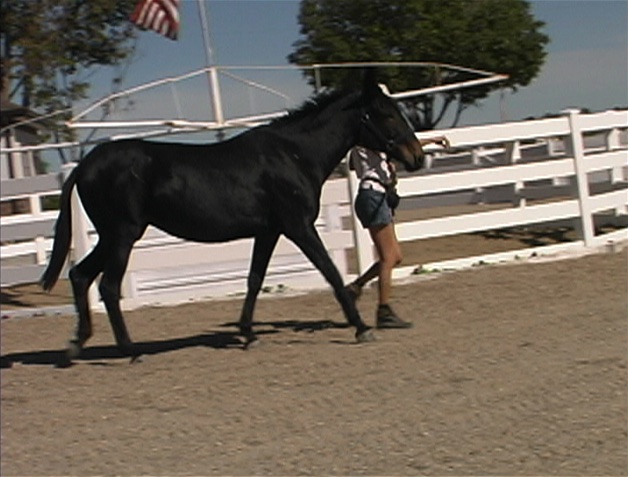
9) When Vicki first came home, we had difficulty with leading, standing and picking up the feet. In fact, there wasn’t much cooperation from her on any level. We decided to begin with simple grooming, showmanship and imprinting before we would do anything else.

10) Rock and Roll were another challenge for us. We had to be willing to take the time necessary with these abused draft mules. You can’t move too quickly. If you demand too much too soon, you’ll only cause him to regress, and he’ll become even less retrievable.
11) This is the way it has to be with an abused equine, if he’s ever to be of any use again. Such an animal needs time to heal the body. He needs time to strengthen muscles for performance, and time to gain trust and confidence in people again.
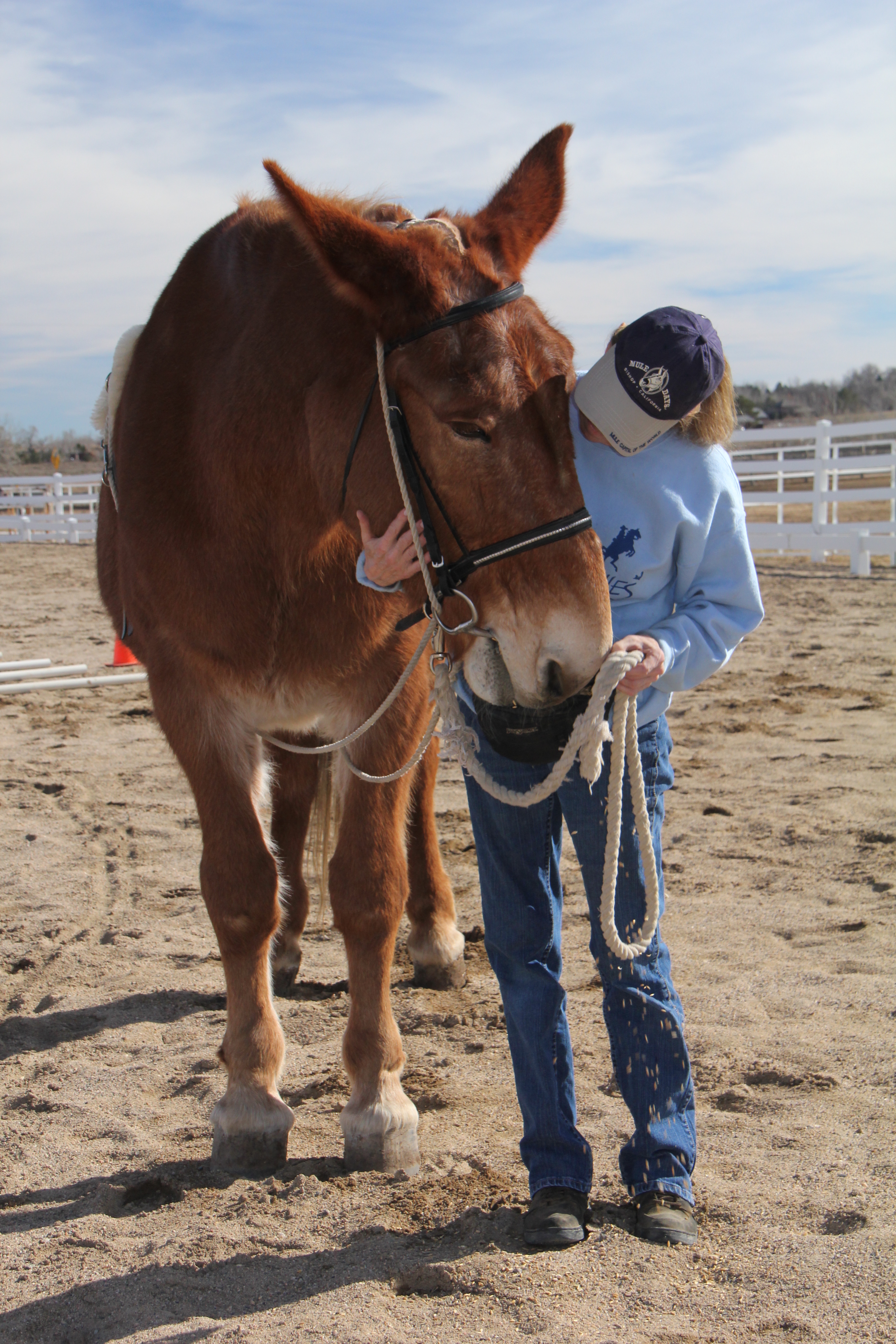
12) One of the toughest things is to resist the urge to bring the animal to you. You must allow them to come to you, and that takes time and patience. If you really want to rehabilitate an equine, do it on his time and in his own way. You’ll be surprised how much he can teach you in the process, if you’re willing to learn!
13) If you want an equine that is mentally, physically and emotionally healthy, and capable of being a safe, obedient and willing companion, you need to be willing to be patient, kind and understanding in your approach. Pay attention to those smaller details that will not only improve your equine’s skills, but your own skills as well.

14) Any equine, abused or not, will let you know when to proceed if you’re willing to pay attention and listen. When he doesn’t comply, he’s not being deliberately disobedient. There’s a reason for his behavior, and it’s up to you to find out what it is. When you watch, listen, are willing to modify your approach and keep the animal’s best interest at heart, there’s nothing he won’t willingly do for you, if he’s capable.

15) Athletic conditioning is much more than just physical conditioning. Athletic conditioning means paying strict attention to the equine as a whole—mentally, physically and emotionally. Balancing all the components in your equine’s life is the only way to insure maximum health, longevity, cooperation and performance.
FROM OUR
READERS and VISITORS
“Meredith Hodges' comprehensive curriculum of DVD's and textbooks are a beautiful example of teaching the Equid with a fair minded, patient, direct approach. Her methods bring the Mule, Donkey, or Horse together with the owner to establish a very safe, rewarding, but most of all, fun and enjoyable relationship.” Jeannette Havens, DVM
“Thank you and your staff for the most wonderful tour I have ever had. You tour fulfilled a dream that I have had since the first time I saw you on RFD-TV. Your ranch and wonderful mules are a reflection of you. I learned so much and was blessed by the time I spent with you today. Thank you for everything you do for mules and donkeys and the Hearts and Horses therapeutic riding program. You are changing and enriching lives. Words that describe Meredith Hodges: commitment, passion, excellence and giving.”

“There might be others who call themselves a mule or horse whisperer but you are the greatest of them all! Your contributions to the equine world are tremendous. You have earned the respect and accolades of your peers. A person who is interested in becoming a better mule owner or horseman needs education, no matter what your level of expertise. Your library of videos and books are as good as it gets! Thank you for being so generous with your time and resources.”
“I have a compliment to pass on to you. I sent your interview with the farm magazine to everybody I know who loves animals, especially donkeys and mules. My friend in KUSADASI, TURKEY was raised with them as his family are farmers. They know and
love their donkeys. He agrees with your article and wishes everybody with donkeys would follow your gentle and thoughtful method of training instead of being harsh and punitive with donkeys, equines. He also loved the picture with you and LUCKY THREE EXCALIBUR. He said both of you are “wonderful, beautiful! “Even when he writes I can hear his Turkish accent! His English is the best I’ve come across while working with the Turks and he’s very educated but it’s still pretty thick. It makes me smile!” You’re respected everywhere, even in far flung Turkey! God Bless.
| | |
| | | | | | |
TRAINING QUESTION

Question: Why does Postural Core Strength Training take so long and what are the benefits beyond making the equine suitable for Driving and/or Riding.
Answer: Benefits of Postural Core Strength Training
Most equines can be taught to carry a rider in a relatively short time. However, just because they are compliant doesn’t mean their body is adequately prepared for what they will be asked to do and that they are truly mentally engaged in your partnership. We can affect our equine’s manners and teach them to do certain movements and in most cases, we will get the response that we want...at least for the moment. Most of us grow up thinking that getting the animal to accept a rider is a reasonable goal and we are thrilled when they quickly comply. When I was first training equines, I even thought that to spare them the weight of the rider when they were younger and that it would be more beneficial to drive them first as this seemed less stressful for them. Of course, I was then unaware of the multitude of tiny details that were escaping my attention due to my limited education. I had a lot to learn.
Because my equines reacted so well during training, I had no reason to believe that there was anything wrong with my approach until I began showing them. I started to experience resistant behaviors in my animals that I promptly attributed to simple disobedience. I had no reason to believe that I wasn’t being kind and patient until I met my dressage instructor, Melinda Weatherford. I soon learned that complaining about Sundowner’s negative response to his dressage lessons and blaming HIM was not going to yield any shortcuts to our success.
The day she showed up with a big button on her lapel that said, “No Whining” was the end of my complaining, my impatience and the beginning of my becoming truly focused on the tasks at hand. I learned that riding through (and often repeating) mistakes did not pose any real solutions to our problems. I attended numerous clinics from all sorts of notable professionals and we improved slowly, but a lot of the problems were still present. Sundowner would still bolt and run when things got a bit awkward, but he eventually stopped bolting once I changed my attitude and approach, and when he was secure in his core strength in good equine posture.
I thought about what my grandmother had told me years ago about being polite and considerate with everything I did. Good manners were everything to her and I thought I was using good manners. I soon found that good manners were not the only important element of communication. Empathy was another important consideration...to put oneself in the other “person’s” shoes, and that could be attributed to animals as well. So, I began to ask myself how it would feel to me if I was approached and treated the way I was treating my equines. My first epiphany was during grooming. It occurred to me that grooming tools, like a shedding blade, might not feel very good unless I was careful about the way I used it. Body clipping was much more tolerable for them if I did the hard-to-get places first and saved the general body for last. Standing for long periods of time certainly did not yield a calm, compliant attitude when the more tedious places were left until last. After standing for an hour or more, the animal got antsy when I was trying to do more detailed work around the legs, head, flanks and ears after the body; so I changed the order. Generally speaking, I slowed my pace and eliminated any abrupt movements on my part to give the equine adequate time to assess what I would do next and approached each task very CAREFULLY. The results were amazing! I could now groom, clip bridle paths and fly spray everyone with no halters, even in their turnout areas as a herd. They were all beginning to really trust me.
There was still one more thing my grandmother had said that echoed in my brain, “You are going to be a sorry old woman if you do not learn to stand up straight and move in good posture!” Good posture is not something that we are born with. It is something that must be learned and practiced repetitiously so that it becomes habitual for it to really contribute to your overall health. Good posture begins at the core, “the innermost, essential part of anything.” In a human being, it lies behind the belly button amongst the vital organs and surrounded by the skeletal frame. In a biped, upon signals from the brain, energy impulses run from the core and up from the waist, and simultaneously down through the lower body and legs. The core of an equine is at the center of balance in the torso. Similar to bipeds, they need the energy to run freely along the hindquarters and down through the hind legs to create a solid foundation from which to allow the energy in front to rise into suspension to get the most efficient movement. When their weight is shifted too much onto the front end, their ability to carry a rider efficiently and correctly is compromised. To achieve correct energy flow and efficient movement, the animal’s internal supportive structures need to be conditioned in a symmetrical way around the skeletal frame. People can do this by learning to walk with a book on their head and with Pilates exercises, but how can we affect this same kind of conditioning in a quadruped?
The first issue I noticed was with leading our animals. When we lead our animals with the lead rope in the right hand, we drop our shoulder and are no longer in good posture. When we walk, our hand moves ever so slightly from left to right as we walk; we inadvertently move the equine’s head back and forth. They balance with their head and neck. Thus, we are forcing them off balance with every step that we take. Since movement builds muscle, they are being asymmetrically conditioned internally and externally with every step we take together. In order to correct this, we must allow the animal to be totally in control of his own body as we walk together. We are cultivating proprioception or “body awareness.”
During the time you do the core strength leading exercises, you should NOT ride the animal as this will inhibit the success of these preliminary exercises. It will not result in the same symmetrical muscle conditioning, habitual behavior and new way of moving. For the best results, lessons need to be routine and done in good posture from the time you take your equine from the pen until the time you put him away. Hold the lead rope in your LEFT hand, keeping slack in the lead rope. Keep his head at your shoulder, match your steps with his front legs, point in the direction of travel with your right hand and look where you are going. Carry his reward of oats in a fanny pack around your waist; he’s not likely to bolt if he knows his reward is right there in the fanny pack.
Plan to move in straight lines and do gradual turns that encourage him to stay erect and bend through his rib cage, keeping an even distribution of weight through all four feet. Square him up with equal weight over all four feet EVERY TIME you stop and reward him with oats from your fanny pack. Then wait patiently for him to finish chewing. We are building NEW habits in the equine’s way of moving and the only way that can change is through routine, consistency in the routine and correctness in the execution of the exercises. Since this requires that you be in good posture as well, you will also reap the benefits from this regimen. Along with feeding correctly (explained on my website at www.luckythreeranch.com), these exercises will help equines to drop fat rolls and begin to develop the top line and abdominal strength in good posture. The spine will then be adequately supported to easily accept a rider. He will be better able to stand still as you pull on the saddle horn to mount.
When the body is in good posture, all internal organs can function properly and the skeletal frame will be supported correctly throughout his entire body. This will greatly minimize joint problems, arthritis and other anomalies that come from asymmetrical development and compromises in the body. Just as our children need routine, ongoing learning and the right kind of exercise while they are growing up, so do equines. They need boundaries for their behavior clearly outlined to minimize anxious behaviors and inappropriate behavior. The exercises that you do together need to build strength and coordination in good equine posture. The time spent together during leading training and going forward, slowly builds a good solid relationship with your equine and fosters his confidence and trust in you. He will know it is you who actually helps him to feel physically much better than he ever has.
Core Muscle Strength and Balance must be developed through correct leading exercises on flat ground. Coordination can be added to his overall carriage with the addition of negotiating obstacles on the lead rope done the same way. Once familiar with the obstacles, you will need to break them down into very small segments where the equine is asked to randomly halt squarely every couple of steps through the obstacle. You can tell when you have successfully achieved core strength in good balance, when your equine will perform accurately with the lead rope slung over his neck. He will stay at your shoulder, respond to hand signals and body language only and does what is expected perfectly. A carefully planned routine coupled with an appropriate feeding program is critical to your equine’s healthy development.
The task at the leading stage is not only to teach them to follow, but to have your equine follow with his head at your shoulder as you define straight lines and gradual arcs that will condition his body symmetrically on all sides of the skeletal frame. This planned course of action also begins to develop a secure bond between you. Mirror the steps of his front legs as you go through the all movements keeping your own body erect and in good posture. Always look in the direction of travel and ask him to square up with equal weight over all four feet every time he stops and reward him. This kind of leading training develops strength and balance in the equine body at the deepest level so strengthened muscles will hold the bones, tendons, ligaments and even cartilage in correct alignment. Equines that are not in correct equine posture will have issues involving organs, joints, hooves and soft tissue trauma. This is why it is so important to spend plenty of time perfecting your techniques every time you lead your equine.
The equine then needs to build muscle so he can sustain his balance on the circle without the rider before he will be able to balance with a rider. An equine that has not had time in the round pen to establish strength, coordination and balance on the circle, with the help of our postural restraint called the “Elbow Pull,” will have difficulty as he will be pulled off balance with even the slightest pressure. He will most likely raise his head, hollow his back and lean like a motorcycle into the turns. When first introduced to the “Elbow Pull,” his first lesson in the round pen should only be done at the walk to teach him to give to its pressure, arch his back and stretch his spine while tightening his abs. If you ask for trot and he resists against the “Elbow Pull,” just go back to the walk until he can consistently sustain this good posture while the “Elbow Pull” stays loose. He can gain speed and difficulty as his proficiency increases.
Loss of balance will cause stress, and even panic that can result in him pulling the lead rope, lunge line or reins under saddle right out of your hands and running off. This is not disobedience, just fear from a loss of balance and it should not be punished, just ignored and then calmly go back to work. The animal that has had core strength built through leading exercises, lunging on the circle and ground driving in the “Elbow Pull” before riding, will not exhibit these seemingly disobedient behaviors. Lunging will begin to develop hard muscle over the core muscles and internal supportive structures you have spent so many months strengthening during leading training exercises. It will further enhance your equine’s ability to perform and stay balanced in action, and play patterns in turnout will begin to change dramatically as this becomes his habitual way of going. Be sure to be consistent with verbal commands during all these beginning stages as they set the stage for better communication and exceptional performance later. Although you need to spend more time in his beginning training than you might want to, this will also add to your equine’s longevity and use-life by as much as 5-10 years. The equine athlete that has a foundation of core strength in good equine posture, whether used for pleasure or show, will be a much more capable and safe performer than one that has not, and he will always be grateful to YOU for his comfort.
You can buy my books and videos in the
STORE and I would be happy to send you a
lot more detailed information if you email me at meredith@luckythreeranch.com.
| | |
|
| |
| | | | WHAT'S NEW?
✭ NO MORE SEASONAL SALES! ✭
EVERYTHING ON THE WEBSITE UNDER THE TASK BAR CATEGORIES, INCLUDING ALL THE VIDEO ON DEMAND DOCUMENTARIES ARE
OFFERED FOR FREE!
BOOKS, MANUALS, VIDEOS, DOCUMENTARIES AND MISCELLANEOUS ITEMS ARE OFFERED FOR PURCHASE IN THE STORE!
RED STAR ✭ DENOTES UPDATED MULETALK PODCASTS & INSPIRATIONAL VIDEOS UNDER TRAINING.
Please scroll to the bottom of the page to find the RED STAR ✭
OUR LATEST INSPIRATIONAL VIDEO
| |
Featured Products

Celebrate America's historic 250th birthday
by wearing this long sleeve shirt to honor our heroes who have served in the military and as first responders.

Printed on the premium Gildan 2400 long-sleeve in a timeless "Natural" color, this shirt offers exceptional, heavyweight quality. Built with durable cotton, a classic fit, and ribbed cuffs, it delivers rugged comfort that holds its shape wash after wash.
Available Sizes: Medium, Large, XL, XXL and XXXL

|
| | |
| |
| | | | | | | | |  | | 
Help Power the Lucky Hearts Gala — Donate an Auction Item!
At Hearts & Horses, big impact begins with generous hearts. Our 2026 Lucky Hearts Gala will celebrate the compassion and community that make life-changing equine-assisted services possible for children and adults with disabilities, Veterans, youth-at-risk, and seniors with dementia — and we need your help to make it shine.
Named NOCO Style’s Best Non-Profit Event two years in a row, the Lucky Hearts Gala is our largest fundraising event of the year. Bringing together more than 1,000 supporters both in person and online, donating to the auction offers meaningful visibility for your business while directly supporting transformative programs.
We are currently seeking auction donations to help make this year’s Gala unforgettable:
Donate an item: https://hah.ejoinme.org/item-donation-form
Your generosity helps our participants discover confidence, connection, and new possibilities every day. Thank you for sharing your generous heart with Hearts & Horses.
DONATION FORM
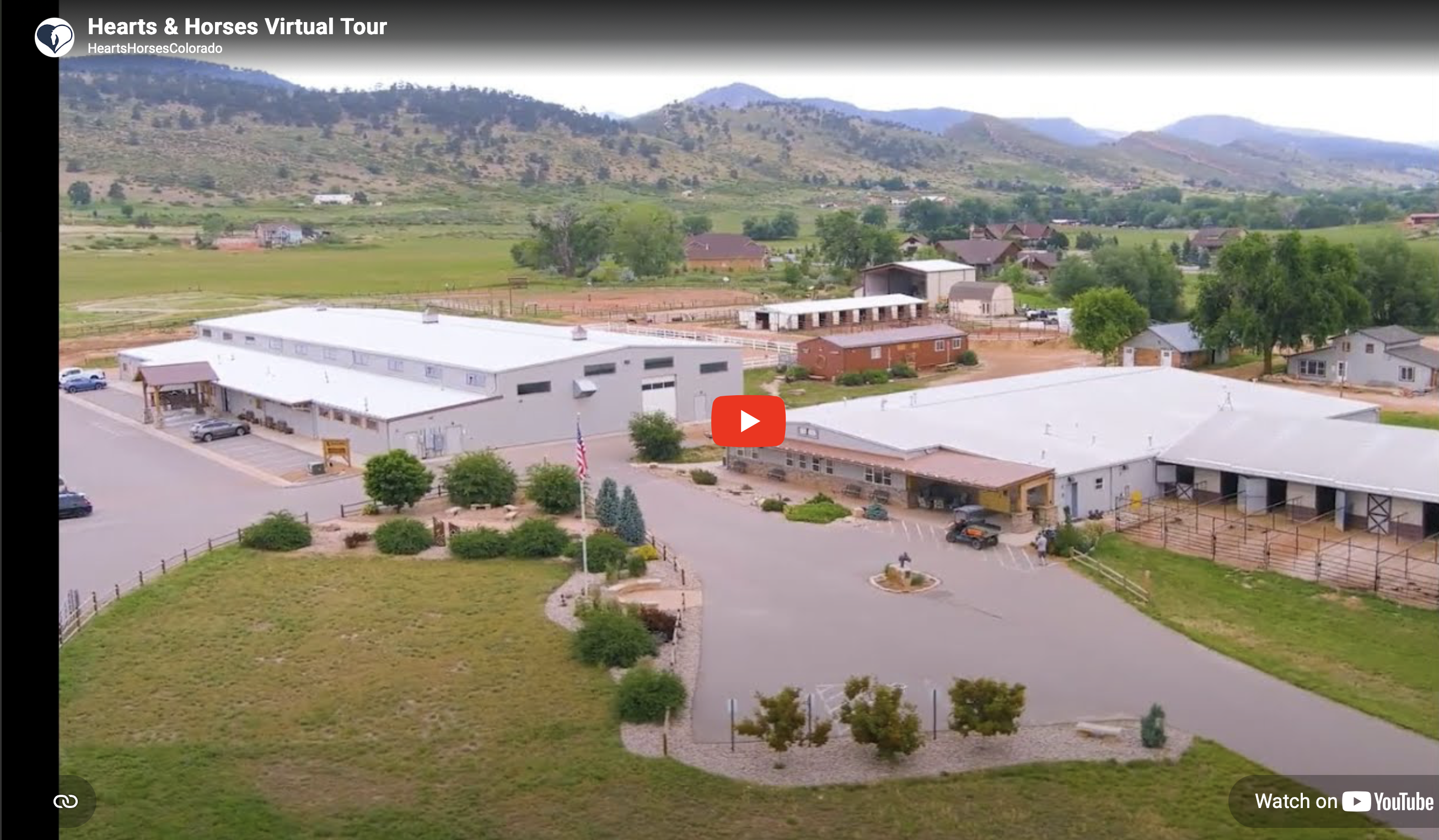
Watch Hearts & Horses Virtual Tour
Amanda Weinstein, Communications Manager
Horses • Healing • Hope
Hearts & Horses - 163 N. CR 29 - Loveland, CO 80537
Phone: (970) 663-4200 x 307 www.HeartsAndHorses.org COVID-19 Updates
Hearts & Horses is a 501(c)(3) non-profit organization and we are proud to be a PATH Intl. Premier Accredited Center
|
| | |
| |
| | | | | | |  | | | Bonnie’s Bit | | 
FINALLY--we got some spring here in north Idaho. Didn't last long--but we SAW it.
My two old mollys are doing fine so far. There is only "imaginary" grass in their pasture but they eat it anyway.
Had my wonderful lady mule vet (yes, the vet is a gal) over for their spring lookieover. They both passed!
This too shall pass--as they say. For me--what HAS to pass is getting the new fence up on the front pasture. So, pray for me to find some "guy" help and a pile of $. I guess we all have problems. Looking forward to warmer days and more spring rains to make good hay!
HUG a sweet ass for me. Whitch-ever kind you prefer. BS sez that.
Keep your traces tight ~Bonnie
BONNIE SHIELDS; TENNESSEE MULE ARTIST
“What a fantastic tribute to a wonderful and talented lady. This book deserves a place with all donkey and mule lovers. What an extraordinary and gorgeous book that you produced. I send my compliments to all that played a part in the publication of this extraordinary book. As Bonnie says, "Keep your traces tight!"
A longstanding member of the Cowboy Cartoonists Association, her wide variety of “mule art” can be viewed at numerous venues, mule and draft horse shows, Western arts and crafts shows, Western trade shows and on the internet at her website at www.Bonnieshields.com. Her talents include drawing, painting and sculpture. She has done a wide variety from ink drawings to acrylic painting to bronze sculpture, from commissioned work to originals, all revering the mule. She has also written a multitude of articles for such publications as The Brayer, a bimonthly publication put out by the American Donkey & Mule Society, Mules and More magazine, and the “Bishop Mule Days” program, and her yearly publication of the BS‘ogram is always a welcome read!
In 2006, Bonnie was inducted into the Bishop Mule Days Artist’s Hall of Fame. Despite public demand, Bonnie always makes time to spend with her mules during the year exploring the beautiful scenery and experiencing the wonder that the mountains have to offer. Her mountain adventures were never dull and invariably contribute to her diversity of work and her infectious sense of humor!

GET YOUR COPY TODAY: BONNIE SHIELDS: TENNESSEE MULE ARTIST.
Every page contains an inspiration of her work!
Purchase this book www.luckythreeranchstore.com or at www.bonnieshields.com
and enhance YOUR equine library!
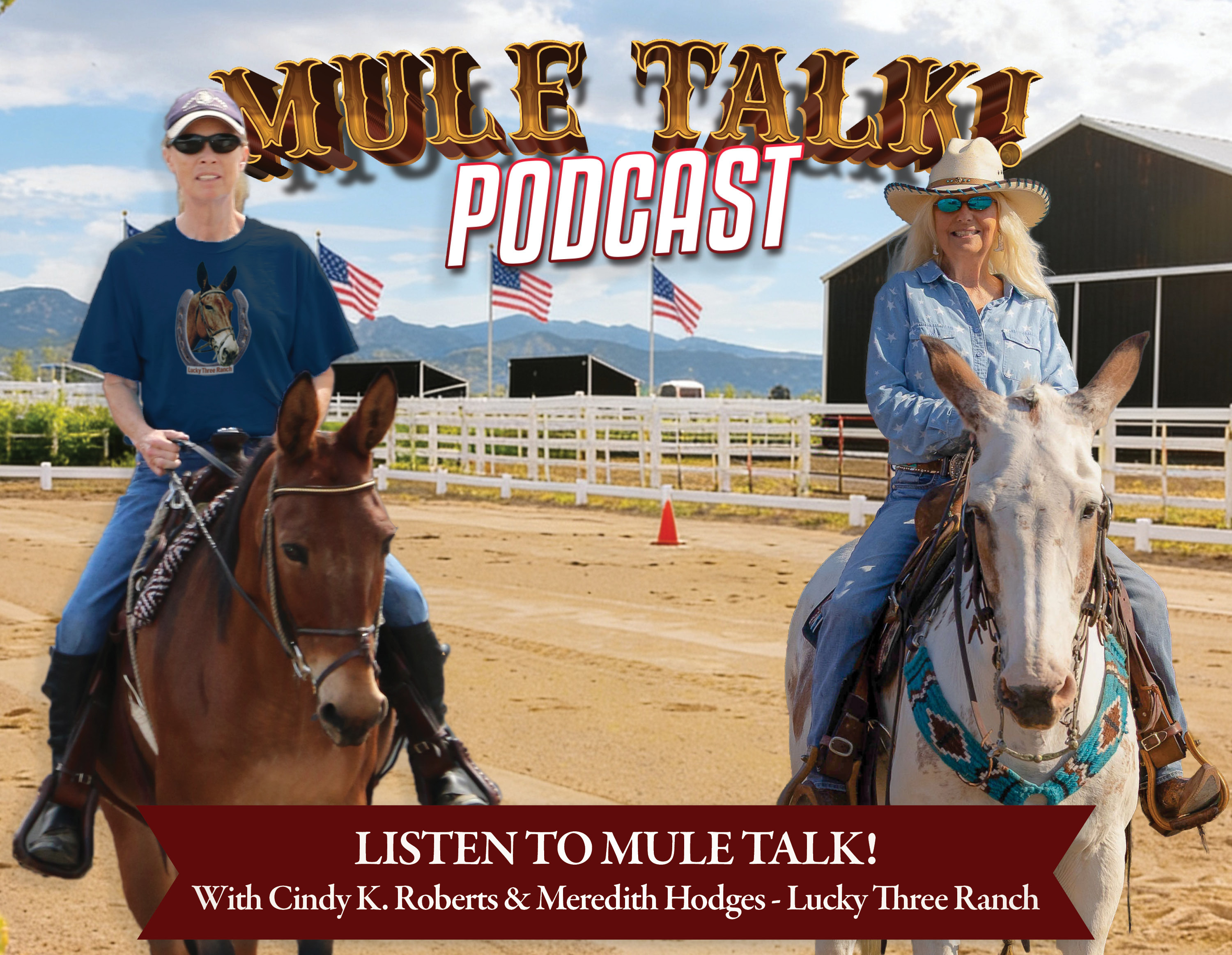
With America’s 250th birthday right around the corner. I am reminded of my grandfather, Lieutenant Wilton Willmann. He served in the U.S. Cavalry around 1924 as a sharpshooter and a muleskinner, and he sure loved his whiskey. He was a rough man, and I got a lot of grit from him. He made sure our family learned to ride and shoot.
That started my lifelong love for cowboy heroes and horse events. As a kid, I spent hours in the saddle, watched Bonanza every afternoon, and loved flashy denim like Dolly Parton. I did not have much common sense back then. I was a confused kid with no direction, so I turned to horses and mules to learn about life. To be honest, I am still a bit dazed today. But with our nation's big anniversary here, I want to thank the heroes, mules, and men that made this country what it is today.
I also want to send a special thank to Meredith for the podcast episodes we have done together and for everything I have learned from her. Between her teaching and the genes of my grandpappy, Between her wisdom and my grandpappy's wild genes, I finally have enough mule sense to keep up with those wise and amazing mules.
Dusty boots and warm regards,
Cindy K. Roberts
|
| | |
| |
|
| |
|